Marvel Duel Tier List (October 2026): Best Decks, Legendary Cards, Heroes & Winning Strategies
If you've ever built what looked like an unbeatable Marvel Duel deck, only to watch it collapse against a perfectly timed Spider-Verse combo or an enormous Asgardian frontline, you already know this game isn't just about collecting powerful cards. It's about making those cards work together.
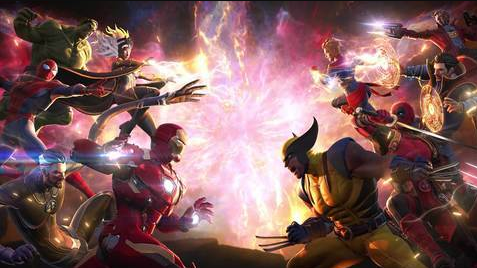
That's why a reliable marvel duel tier list needs to look beyond individual characters. Sure, Iron Man, Thor, Hela, and Captain Marvel all have impressive cards, but the strongest deck isn't necessarily the one with the most legendary units. Sometimes, a well-built Guardians of the Galaxy lineup can outperform a more expensive deck simply because its abilities trigger at the right moments.
Marvel Duel is also a little different from traditional collectible card games. You choose hero card pools before entering a match, purchase cards from an evolving shop, and develop your battlefield through careful combinations. Knowing when to upgrade your shop, when to strengthen your frontline, and which cards deserve your resources can make a huge difference.
In this guide, I'll break down the best Marvel Duel deck archetypes, standout legendary cards, hero combinations, and strategies for ranked play. We'll also look at Arena, Intergalactic War decks, beginner-friendly builds, and ways to counter popular strategies.
One important note: publicly verifiable competitive data for October 2026 is limited. The rankings below are strategic evaluations based on documented card mechanics and established deck archetypes, not claimed live win-rate statistics. They're designed to help you understand what makes a deck strong and how to adjust it to the cards available on your server.
I. Marvel Duel Tier List Overview
A. What the Tier List Ranks and How Decks Are Scored
Marvel Duel is a strategy card game developed by NetEase in collaboration with Marvel Games. It combines collectible cards, automatic battles, shop management, and team-building mechanics featuring recognizable Marvel superheroes and villains.
Instead of building one traditional deck and drawing cards in a fixed sequence, you select three superhero card groups alongside a neutral card group. A separate Locked Card Pool also contributes cards to your available selections.
During each match, you purchase cards from the shop, improve their Star Levels, equip items, and build a frontline capable of defeating other players.
The strongest strategies usually revolve around particular mechanics, such as summoning additional characters, increasing Power, accumulating Armor, activating Last Words effects, or dealing Skill Damage.
For this Marvel Duel tier list, I'm evaluating five factors: early-game stability, late-game potential, consistency, flexibility, and the ability to handle different opponents.
| Tier | Meaning | Best For |
|---|---|---|
| S | Powerful archetypes with strong synergy and reliable development paths | Main competitive decks |
| A | Strong decks with good potential but more specific requirements | Ranked and experienced players |
| B | Situational strategies that depend heavily on certain cards | Counter-picking and experimentation |
| C | Inconsistent or incomplete builds that struggle without ideal conditions | Casual or restricted collections |
A lower ranking doesn't mean every card in that archetype is weak. Some individually powerful cards work extremely well when added to another strategy.
B. Current Season and Last-Updated Date
Last reviewed: October 28, 2026.
Marvel Duel remains listed on supported mobile storefronts. Its Android application received an update on September 4, 2026, described as an SDK upgrade.
However, the game's public English-language website has not provided a consistently updated competitive leaderboard or a verifiable October 2026 season ranking. Its readily available official season announcements primarily document older releases, including the Symbiotic Space season introduced in October 2022.
That distinction matters because an application maintenance update doesn't necessarily mean the competitive card balance has changed.
The rankings in this article therefore focus on established deck strengths and weaknesses. They should be treated as a practical strategic reference rather than a definitive ranking of the current top ladder decks.
For the most accurate competitive assessment, compare these recommendations with the latest cards, shop rules, and ranked opponents available in your game client.
C. This Is Not Marvel Rivals or Marvel Contest of Champions
Marvel Duel is frequently confused with other Marvel games.
Marvel Rivals is a team-based hero shooter where players control characters directly in real-time combat.
Marvel Contest of Champions is a fighting game focused on collecting champions and battling enemies through direct action controls.
Marvel Duel is fundamentally different.
It's a card-based strategy game where character combinations, card purchases, shop upgrades, equipment, and automated combat determine the outcome.
A Marvel Rivals Duelist tier list doesn't tell you which Marvel Duel deck is strongest.
Likewise, a character ranked highly in Contest of Champions isn't automatically a valuable card here.
II. Best Decks Overall
A. S-Tier Decks
These are my highest-priority deck archetypes based on their established strategic strengths.
| S-Tier Deck | Core Cards | Main Advantage | Difficulty |
|---|---|---|---|
| Asgard Armor | Thor, Throg, Lady Sif, Mjolnir | Durable frontline and strong scaling | Medium |
| Spider-Verse Summon | Silk, Ghost-Spider, Miles Morales, Symbiote Spider-Man | Summoning and Power growth | Medium |
| Stark Industries | Iron Monger, Silver Centurion, Superior Iron Man, Hulkbuster | Shop scaling and high late-game Power | Easy–Medium |
| Guardians of the Galaxy | Drax, Rocket Raccoon, Star-Lord, Adam Warlock | Offensive snowballing | Medium |
Asgard Armor is one of the strongest foundational strategies to learn.
The deck focuses on building durable characters who survive repeated attacks while gradually becoming stronger. Thor is the centerpiece, supported by defensive cards and equipment such as Mjolnir.
Spider-Verse is another excellent archetype, particularly for players who enjoy summoning additional characters and creating overwhelming battlefield pressure.
Stark Industries offers a different approach. Instead of relying entirely on complicated combat interactions, the deck rewards well-timed shop upgrades and powerful Iron Man-related units.
Guardians of the Galaxy can be extremely dangerous once its main attackers become established. Drax and Rocket Raccoon benefit from offensive support, while Star-Lord helps amplify the team's damage.
These decks aren't guaranteed winners. Their performance depends on available cards, equipment, and how quickly you assemble their core combinations.
B. A-Tier and Situational Decks
Several other archetypes offer excellent potential but require more careful development.
| Tier | Deck | Main Strength | Main Weakness |
|---|---|---|---|
| A | Captain Marvel Kree | Skill Damage and anti-Guard effects | Needs coordinated units |
| A | Hela Maverick | Powerful late-combat abilities | Vulnerable core characters |
| A | Elektra Marvel Knights | Quest-based growth and balanced frontline | Weaker transitional turns |
| A | Doctor Strange Mystic | Spell and Teleport interactions | Greater combo dependency |
| B | Hybrid Armor | Strong defensive options | Can lack finishing damage |
| B | Mixed Aggressive Deck | Early battlefield pressure | Limited late-game scaling |
Captain Marvel's Kree strategy is particularly interesting because it can deal Skill Damage that bypasses traditional Guard protection.
Hela's deck revolves around protecting characters with Maverick effects until those effects become active. The payoff can be enormous, but the deck becomes unreliable when its important units are eliminated too early.
Elektra's Marvel Knights strategy rewards players for completing Quests and developing a stronger frontline.
Doctor Strange's Mystic cards introduce different combinations involving spells, movement between zones, and specialized interactions.
These strategies can absolutely outperform S-tier archetypes when the matchup and card selections favor them.
C. Who to Unlock First
For beginners, I would prioritize Thor, Spider-Man, and Star-Lord before investing heavily in complicated late-game strategies.
Thor teaches defensive positioning and equipment management.
Spider-Man introduces summoning, Last Words, and board-space management.
Star-Lord teaches offensive scaling and how individual characters benefit from team-wide effects.
Iron Man is another excellent option because his shop-focused strategy helps players understand the importance of timing upgrades.
Once you've become comfortable with those decks, Captain Marvel, Hela, and Elektra offer more specialized gameplay.
Rather than trying to collect every expensive card immediately, choose one primary deck and improve its consistency first.
III. Best Cards by Hero
A. Spider-Man and Spider-Verse
Spider-Verse revolves around creating additional characters and strengthening them through coordinated effects.
The deck becomes particularly dangerous when multiple units benefit from the same summoning sequence.
| Card | Importance | Main Function |
|---|---|---|
| Silk | S | Early-game summon engine |
| Spider-Man (Miles Morales) | S | Strengthens summoned characters |
| Symbiote Spider-Man | S | Additional summoning and Power support |
| Ghost-Spider | A | Defensive protection and Last Words |
| Spider-Tracer | A | Equipment synergy |
| Superior Spider-Man | A | Independent late-game threat |
| Spider-Man | A | Frontline and Guardian utility |
Silk is one of the cards I'd prioritize early because she helps establish the foundation of the strategy.
Miles Morales becomes more valuable as your deck creates additional Spider-Verse characters.
Symbiote Spider-Man adds another important layer of summoning synergy.
The biggest weakness of Spider-Verse is that individual units may be relatively fragile.
If your opponent removes the main support characters before your board develops, the strategy can collapse.
Try to protect your most important units and avoid filling every battlefield slot before your summoning effects activate.
B. Iron Man and Hulkbuster
Iron Man decks revolve around Stark Industries cards that benefit from shop progression and equipment.
| Card | Importance | Main Function |
|---|---|---|
| Iron Monger | S | Scales through Stark Industries development |
| Silver Centurion | S | Improves allied Power |
| Superior Iron Man | S | Provides significant immediate Power |
| Hulkbuster Armor | A | Durable frontline presence |
| Iron Man Model I | A | Early development |
| Madame Masque | A | Early economic and survival value |
| Silver Centurion Blade | S | Counter to Armor-heavy enemies |
| Arc Reactor | A | Equipment and deck synergy |
Iron Monger is especially valuable because he can gain Power as other Stark Industries cards are played.
Silver Centurion provides another source of team improvement.
Superior Iron Man is useful when you need a powerful immediate addition to your frontline.
The real trick is knowing when to upgrade your shop.
If you upgrade too aggressively, you might sacrifice too much battlefield strength and lose several rounds before your expensive cards become available.
I'd recommend maintaining at least a functional frontline before pursuing higher shop levels.
C. Thor, Mjolnir, and Asgard
Asgard is one of the most recognizable defensive archetypes.
Its strength comes from combining Armor, durable characters, and equipment that reinforces the frontline.
| Card | Importance | Main Function |
|---|---|---|
| Thor | S | Primary offensive and defensive centerpiece |
| Mjolnir | S | Enhances Thor-related combat interactions |
| Throg | A | Strong equipment synergy |
| Lady Sif | A | Armor support |
| Valkyrie | A | Strong late-game support |
| Gungnir | A | Useful equipment |
| Hogun | A | Defensive frontline |
| Guard Army of Asgard | B | Alternative protection |
| Hulk | A | Armor support for multiple characters |
Thor becomes particularly threatening when his Power and Armor are both developed.
Mjolnir is a natural equipment choice because it enhances his combat effectiveness.
Lady Sif can support the surrounding frontline, while Hulk offers additional Armor synergy.
Asgard can be difficult to defeat through ordinary attacks, but it's not invincible.
Equipment that ignores Armor, powerful Skill Damage, and certain offensive combinations can bypass its main advantages.
Against those strategies, you'll need to adjust your equipment and positioning.
D. Captain Marvel, Hela, Star-Lord, and Elektra
These four hero pools introduce some of Marvel Duel's more specialized mechanics.
| Hero | Key Cards | Main Strategy |
|---|---|---|
| Captain Marvel | Ronan, Mar-Vell, Kamala Khan, Moonstones | Skill Damage and Power growth |
| Hela | Hela, Destroyer, Surtur, Malekith | Maverick effects and survival |
| Star-Lord | Drax, Rocket Raccoon, Adam Warlock, Yondu | Offensive scaling and Defeat effects |
| Elektra | Elektra, Luke Cage, Moon Knight, The Punisher | Completing Quests to strengthen the frontline |
Captain Marvel works particularly well when several units repeatedly deal Skill Damage.
Hela requires careful positioning and protective units to make sure important characters survive long enough to trigger their effects.
Star-Lord rewards aggressive play and successful eliminations.
Elektra takes a more developmental approach, gradually strengthening characters through Quests.
If you prefer consistent early-game aggression, Star-Lord is an attractive option.
If you enjoy building toward a powerful late-game combination, Hela and Elektra offer interesting alternatives.
IV. Legendary Cards
A. Legendary Card Tier List by Season
Legendary cards can be extremely valuable, but their usefulness depends on the season's available mechanics and your deck.
Marvel Duel has introduced different card systems through historical seasons, including Mystic, Dark Dimension, and Symbiotic-related content.
A meaningful legendary card ranking should reflect those systems rather than assuming that one expensive card remains strongest forever.
| Historical Card Environment | High-Priority Cards or Engines | Strategic Value |
|---|---|---|
| Original hero pools | Thor with Mjolnir, Superior Iron Man, Star-Lord | Core deck scaling |
| Mystic and Dark Dimension | Doctor Strange and compatible Mystic cards | Specialized spell interactions |
| Intergalactic War | Captain Marvel, Mar-Vell, Ronan | Skill Damage and Power growth |
| Symbiotic Space | Venom Rocket Raccoon, Venom Groot and compatible cards | Synergy-driven board development |
This table ranks investment targets and core combinations, not the verified rarity of every named card.
Doctor Strange was specifically introduced as a Legendary card during his historical release.
Other characters and equipment should be checked individually in the game's collection interface because rarity and usefulness aren't interchangeable.
Since a reliable October 2026 competitive season ranking isn't publicly available, I wouldn't claim that these historical priorities represent confirmed current ladder standings.
B. Power, Skill, and Support Cards
One mistake beginners often make is focusing almost entirely on powerful character cards.
Equipment and tactical effects can be equally important.
Power-oriented cards improve your ability to deal damage or strengthen existing characters.
Skill-oriented combinations create advantages through effects such as summoning, Skill Damage, and additional actions.
Support cards provide protection, buffs, or other benefits that help your frontline survive.
For example, Silver Centurion Blade can help counter opponents relying on Armor.
Photon Force Field is useful in Captain Marvel-related strategies because additional actions can create stronger combat sequences.
Moonstones help characters benefit from repeated Skill Damage.
A good deck balances its main attackers with the cards needed to keep those attackers effective.
C. Combos That Change a Card's Rank
Card rankings can change dramatically when the correct combo is available.
Consider three examples.
Thor + Mjolnir + Armor support: Thor becomes much more dangerous when equipment and defensive bonuses allow him to survive and deal repeated damage.
Spider-Man (Miles Morales) + Silk + Symbiote Spider-Man: Multiple summoning effects become much stronger when the resulting characters receive additional Power.
Captain Marvel + Ronan + Moonstones: Repeated Skill Damage creates opportunities for offensive scaling that ordinary frontline attacks may struggle to match.
These combinations show why reviewing individual cards in isolation can be misleading.
A character that looks average on its own may become essential when placed in the correct deck.
V. Factions and Builds
A. Guardians, Kree, and Asgard
Guardians of the Galaxy, Kree, and Asgard are three distinct strategic directions.
Guardians of the Galaxy focuses on offensive growth. Drax, Rocket Raccoon, and supporting characters benefit from successful attacks and combat interactions.
Kree and Intergalactic War strategies use Skill Damage, additional actions, and Power bonuses to overcome defensive formations.
Asgard emphasizes Armor, survivability, and strong equipment combinations.
None of these archetypes is universally superior.
Guardians can overwhelm opponents once their offensive engine gets going.
Kree can punish decks that depend too heavily on Guard.
Asgard can absorb substantial damage and become difficult to defeat in ordinary combat.
Understanding what each faction wants to accomplish makes countering them much easier.
B. Street-Level and Spider-Verse
Street-level Marvel Knights decks focus on characters such as Elektra, Luke Cage, Jessica Jones, Moon Knight, and The Punisher.
Their main advantage comes from completing Quests and gradually improving the frontline.
Spider-Verse takes a different approach.
Instead of building strength through Quests, it relies heavily on summoning, Last Words, and interactions between Spider-related characters.
Both archetypes reward planning, but their pacing differs.
Marvel Knights may need time to complete its key objectives, while Spider-Verse can establish a wide battlefield earlier.
If you enjoy carefully assembling a long-term strategy, Elektra is worth exploring.
If you prefer filling the board with interconnected characters, Spider-Verse may feel more satisfying.
C. Guardian Build and Shop Decks
It's important to distinguish Guardian, the defensive card mechanic, from Guardians of the Galaxy, the faction.
A Guardian-focused build uses protective characters to keep important attackers or support units alive.
For example, an Asgardian Guardian frontline can protect Thor while Armor bonuses increase his effectiveness.
Hela also benefits from protective characters because her Maverick units need to survive long enough to activate their effects.
Shop decks work differently.
Iron Man's Stark Industries strategy benefits from upgrading the shop and accessing more powerful cards.
The challenge is balancing economy against immediate survival.
My advice is to avoid upgrading the shop automatically every time you can afford it.
If your current frontline is losing badly, purchasing one useful character may be more valuable than reaching the next shop level.
D. Beginner and Budget Decks
You don't need a perfect collection of legendary cards to begin learning Marvel Duel.
For a beginner-friendly approach, I'd recommend three starting strategies.
| Budget Deck | Early Priorities | Upgrade Direction |
|---|---|---|
| Spider-Verse | Silk, Ghost-Spider, basic summoning cards | Miles Morales and Symbiote support |
| Asgard | Defensive characters and basic Armor support | Thor, Mjolnir, stronger protection |
| Guardians | Rocket Raccoon, Mantis, Cosmo | Drax, Adam Warlock, Star-Lord |
Spider-Verse teaches you how battlefield space and summoning interact.
Asgard is excellent for learning equipment and survival.
Guardians teaches offensive scaling and the importance of keeping key attackers alive.
Choose one and build around its core mechanics before spending resources on unrelated cards.
VI. Tier List by Mode
A. Ladder and Ranked
Ladder is where consistency becomes particularly valuable.
You need a deck that can survive weaker openings, develop a strong frontline, and adapt when the shop doesn't provide your ideal cards.
For established archetypes, my strategic ladder preferences are:
| Tier | Deck |
|---|---|
| S | Asgard Armor, Spider-Verse Summon, Stark Industries |
| A | Guardians, Captain Marvel Kree, Hela Maverick |
| B | Elektra Marvel Knights, incomplete hybrid decks |
These are recommendations based on the underlying strategies, not verified October 2026 ladder win rates.
The main mistake I'd avoid is building a deck that only works when you immediately find several expensive cards.
Consistent early-game options matter.
Sometimes, finishing in a respectable position through a stable strategy is better than gambling everything on a spectacular late-game combination.
B. Arena
Arena operates differently from ordinary Ladder deck building.
In its documented original format, players selected from a broad card pool and constructed a 40-card deck without relying on the standard Locked Card Pool.
The mode challenged players to accumulate wins before reaching the loss limit, with historical rewards based on successful matches.
Because you have less control over your ideal card combinations, flexibility becomes more important.
My Arena priorities are:
| Tier | Draft Strategy |
|---|---|
| S | Strong standalone units, flexible equipment, reliable defensive characters |
| A | Partial Asgard, Guardians, or Stark synergies |
| B | Highly specialized Hela or Spider-Verse combinations without their core cards |
The biggest Arena mistake is forcing a complicated strategy when the necessary pieces aren't available.
If the draft offers strong independent characters, don't ignore them just because they don't belong to your favorite faction.
C. Intergalactic War
Intergalactic War is best understood here as Captain Marvel's established deck archetype, not a separate independently verified competitive mode.
The strategy revolves around Skill Damage and characters who become stronger when that damage is dealt.
Core cards include Captain Marvel, Ronan, Kamala Khan, Mar-Vell, Yon-Rogg, and Moonstones.
One advantage is that Skill Damage can bypass Guard and threaten important opposing characters.
The weakness is that the deck requires several compatible cards before it reaches its full potential.
Fast offensive strategies can punish it before the frontline is complete.
I'd rate a fully developed Intergalactic War lineup as A tier overall, with S-tier potential against certain defensive matchups.
D. Counter Decks
Countering your opponent is one of the most rewarding parts of Marvel Duel.
| Enemy Strategy | Useful Counter Approach |
|---|---|
| Asgard Armor | Armor-piercing effects and Skill Damage |
| Spider-Verse Summon | Remove core support characters and disrupt summoning |
| Guardians of the Galaxy | Prevent early eliminations and protect vulnerable targets |
| Hela Maverick | Eliminate key characters before their effects activate |
| Stark Industries | Apply pressure before late shop upgrades |
| Elektra Marvel Knights | Punish weak transitional turns |
Against Asgard, Silver Centurion Blade can be particularly useful because of its Armor-ignoring properties.
Against Spider-Verse, removing Miles Morales or other support pieces can significantly reduce the effectiveness of summoned characters.
Against Stark Industries, early pressure is often more effective than allowing the opponent to build an expensive late-game frontline.
The best counter isn't always a completely different deck.
Sometimes, changing one piece of equipment or adjusting character positioning is enough.
VII. Starter Heroes
A. The Seven Locked Starters
Marvel Duel's original seven main superhero card pools were:
Thor
Spider-Man
Iron Man
Star-Lord
Captain Marvel
Hela
Elektra
These are the seven foundational hero archetypes described in early guides. They shouldn't be confused with seven universally free cards or the separate Locked Card Pool.
The Locked Card Pool is part of the deck-building system and contains cards that players cannot customize in the same way as their selected hero groups.
The original heroes each emphasize different mechanics.
Thor focuses on Armor.
Spider-Man emphasizes summoning.
Iron Man rewards shop development.
Star-Lord strengthens Guardians.
Captain Marvel uses Skill Damage.
Hela relies on Maverick effects.
Elektra improves through Quests.
Learning these seven archetypes gives you a useful foundation for understanding many of the game's later strategies.
B. Best Early Decks
For beginners, I would start with Thor or Spider-Man.
Thor is forgiving because defensive bonuses help characters survive.
Spider-Man is more complicated, but he teaches the value of building several cards around one shared mechanic.
Star-Lord is another good option once you understand how Power growth works.
Iron Man becomes easier after you've learned when to upgrade the shop.
I would leave Hela and Elektra until you're more comfortable recognizing important card combinations.
Both can be extremely rewarding, but their strategies are easier to disrupt when you don't understand the timing.
C. How to Unlock More Heroes
Marvel Duel has historically used progression and seasonal systems to introduce additional hero card pools.
Early guides describe hero access expanding as players progress through their initial seasons.
Later updates introduced characters such as Doctor Strange, adding entirely new strategic possibilities.
The exact unlocking requirements can differ depending on the version and progression system.
Rather than assuming every hero becomes available immediately, check the Collection and hero-selection menus inside your current game.
Focus on completing available missions, collecting card packs, and learning your existing decks.
Unlocking additional heroes is useful, but spreading resources across too many incomplete decks can slow your progress.
VIII. Codes and Rewards
A. Active Gift Codes
Last checked: October 28, 2026.
There are currently no independently confirmed active universal Marvel Duel gift codes that I can reliably recommend.
Some third-party websites display strings such as WELCOME, VIP666, FBGIFT, or randomly generated combinations, but I couldn't establish a legitimate Marvel Duel promotion supporting their claimed rewards.
That doesn't mean the game has never supported code redemption.
Marvel Duel has had an Exchange Code feature, and its official website also contains a Gift Redemption page.
However, an available redemption interface doesn't prove that any particular code is active.
For reliable freebies, prioritize official events, login rewards, seasonal rewards, missions, and legitimate promotional announcements.
B. How to Redeem
For versions that still include the in-game Exchange Code menu, the historical redemption procedure is:
Launch Marvel Duel and finish the opening tutorial.
Open Settings using the gear icon.
Find the Exchange Code option.
Enter an eligible promotional code.
Confirm the redemption and collect the reward.
The official Marvel Duel website has also provided a Gift Redemption interface, although current access and eligibility should be checked directly.
Be careful not to confuse free promotional codes with paid NetEase Pay voucher codes.
NetEase Pay codes are associated with purchases and are redeemed through a separate payment process.
A purchased top-up voucher isn't the same thing as a free gift code.
C. Expired Codes and Fake Offers
One of the biggest problems with Marvel Duel code searches is the number of unverified promotional claims.
Some websites generate long lists of random-looking codes and label them as recently tested.
Others advertise unlimited Stardust, free legendary cards, or instant account upgrades.
These offers should be treated cautiously.
A legitimate promotional code should come from an official publisher announcement or another verifiable campaign.
Never provide your password to an unofficial reward generator.
Likewise, avoid downloading modified game clients that promise unlimited cards.
Even if a website displays convincing Marvel artwork, that doesn't establish that its codes are genuine.
IX. Related Comparisons
A. Marvel Duel Versus Marvel Snap
Marvel Duel and Marvel Snap are both Marvel-themed card games, but their mechanics are very different.
| Feature | Marvel Duel | Marvel Snap |
|---|---|---|
| Main Gameplay | Shop-based card development and automated combat | Turn-based card placement |
| Deck Strategy | Hero pools, shop upgrades, equipment, synergies | Location control, energy management |
| Match Structure | Multi-round battlefield development | Short matches across three locations |
| Main Focus | Building a powerful frontline | Winning two or more locations |
| Publisher | NetEase | Second Dinner's publishing arrangements vary by region |
Marvel Snap is generally faster and easier to learn at a basic level.
Marvel Duel offers deeper shop management and longer-term battlefield development within individual matches.
If you enjoy auto-battler mechanics and developing character combinations, Marvel Duel has a distinctive appeal.
If you prefer quick tactical card matches, Marvel Snap may be more suitable.
B. Marvel Rivals Duelist Tier List, and Why It Is a Different Game
Marvel Rivals includes a combat role called Duelist.
That's why searching for "Marvel Duel tier list" sometimes produces results about Spider-Man, Iron Man, Hela, and other Marvel Rivals characters.
But those rankings are unrelated.
Marvel Rivals Duelists are damage-focused heroes in a real-time shooter.
Marvel Duel uses collectible cards and automatic battles.
For example, Spider-Man's mobility and combat performance in Marvel Rivals have no direct connection to the value of Silk, Miles Morales, or Symbiote Spider-Man in a Marvel Duel deck.
Always check the game title before following a ranking.
C. Regions: Thailand, Indonesia, Philippines, and Malaysia
Marvel Duel originally launched in Thailand, Indonesia, the Philippines, and Malaysia in July 2020.
It later expanded to other markets, including Singapore, Taiwan, Hong Kong, and Macau.
However, it was not designed as a universal worldwide release.
This matters because app availability, server access, payment options, and event schedules can vary by region.
If you're playing in Southeast Asia, make sure you're downloading the correct application for your country.
Players outside supported regions may encounter store restrictions or connection difficulties.
Before attempting to change regions or install another version, check whether your existing account can access the relevant servers.
X. Download and FAQ
A. Android and APK
Marvel Duel is available for Android through Google Play in supported regions.
The official Android listing received an update on September 4, 2026, primarily addressing its SDK.
The game has also been available for iOS through the App Store.
If you can't find it in your local store, regional availability may be the reason.
I recommend using official distribution channels whenever possible.
Unofficial APK websites may offer outdated installation files or modified versions that create security risks.
Even if an APK installs successfully, that doesn't guarantee the relevant game server will accept your account.
Also remember that Marvel Duel requires access to its online services for its multiplayer features.
B. How Often Is the List Updated?
This tier list was reviewed on October 28, 2026.
However, the latest publicly verifiable English-language competitive rankings are much older than that date.
For this reason, the placements are based on documented mechanics and strategic potential rather than a claimed current tournament or ladder dataset.
A proper competitive update would require new information about card balance, hero availability, shop mechanics, and ranked results.
If you regularly play Ladder, pay attention to the decks you encounter most often and the combinations that consistently perform well.
Your own match results can provide valuable information about the strategies currently popular on your server.
C. Are There Working Codes Right Now?
There are no confirmed active universal Marvel Duel gift codes that I can reliably verify as of October 28, 2026.
What is the best Marvel Duel deck?
For general learning and established strategic strength, Asgard Armor, Spider-Verse Summon, and Stark Industries are excellent starting points. The strongest actual ranked deck depends on the current card pool and opponents.
Is Thor better than Spider-Man?
Thor is generally easier for beginners because of his defensive strategy. Spider-Man can generate tremendous Power through summoning but requires more careful card combinations.
Is Iron Man a good beginner deck?
Yes. Stark Industries teaches shop management and rewards players who understand when to upgrade their available cards.
What is the strongest legendary card?
There isn't one universal answer. A card's usefulness depends on the deck surrounding it, its equipment, and the opponent's strategy.
Can Marvel Duel be played outside Southeast Asia?
Availability varies by region. The game originally targeted specific Asian markets rather than a worldwide release.
Does Marvel Duel have an Arena mode?
Yes, Arena was introduced as a different deck-building experience from ordinary Ladder play. Its original format emphasized drafting from a broader card pool.
Does Marvel Duel have free legendary cards?
The game has historically offered legendary cards through certain events, including the Doctor Strange release. Current offers depend on active promotions.
The biggest takeaway from this marvel duel tier list is that the strongest decks are built around synergy, not simply expensive cards.
Asgard Armor, Spider-Verse Summon, Stark Industries, and Guardians of the Galaxy all offer excellent strategic foundations. Each rewards a different approach, from defensive survival and equipment management to summoning, shop upgrades, and offensive scaling.
Captain Marvel's Kree strategy, Hela's Maverick effects, and Elektra's Marvel Knights lineup are also worth exploring once you understand the game's basic mechanics.
For beginners, I'd recommend learning Thor or Spider-Man first, then experimenting with Star-Lord and Iron Man. Once you've developed a reliable deck, you can start investing in more specialized combinations.
Remember that battlefield positioning, shop timing, equipment, and card synergy can completely change the result of a match.
A well-timed upgrade or carefully protected support character can be more valuable than an extra legendary card.
And because verifiable October 2026 competitive data is limited, treat any tier list as a strategic guide rather than an unquestionable ranking of the live meta.
Build around the cards you actually own, adapt to your opponents, and learn when to abandon an expensive strategy that isn't coming together. In Marvel Duel, smart decisions are often what turn a collection of superheroes into a winning team.