Heroes Evolved Tier List 2026: Best Heroes Ranked from S+ to E for Season 40
Choosing the right hero in Heroes Evolved can make a huge difference when you're trying to climb ranked. We've all had those matches where the enemy carry gets ahead early, starts deleting teammates, and somehow turns a perfectly winnable game into a complete disaster. Sometimes it's a bad draft, sometimes it's poor positioning, and sometimes the enemy simply picked a character your team wasn't prepared to handle.
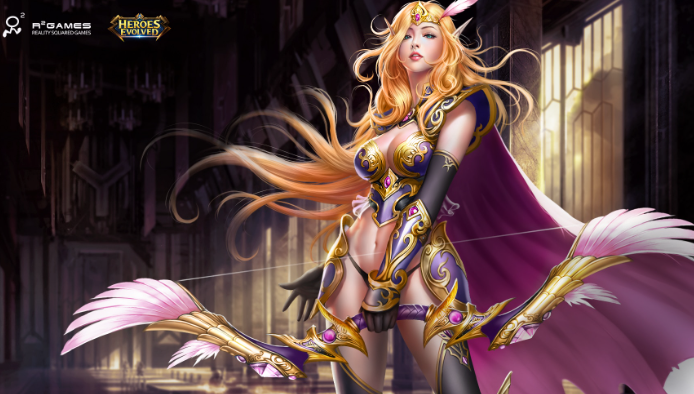
That's where a good Heroes Evolved tier list becomes useful. Instead of picking heroes based on cool character designs or impressive-looking ultimates, you can focus on what actually helps win matches: reliable damage, crowd control, mobility, survivability, and the ability to turn small advantages into destroyed towers and objectives.
Season 40 has made those decisions even more interesting. The August 2026 update introduced the Resurrection Stone into PvP, brought four hero skill reworks, and included additional balance adjustments. With regular updates continuing into October, older rankings deserve another look.
This guide covers the strongest Heroes Evolved characters for ranked play, from S+ powerhouses to specialized lower-tier picks. I'll also explain which heroes suit beginners, what works best in solo queue, and how to build a team that can actually finish games.
One thing worth keeping in mind: Heroes Evolved doesn't provide a comprehensive, publicly verifiable live database of hero win rates for every rank and region. The placements below are therefore an editorial ranking based on hero kits, practical matchup strengths, draft value, and established competitive considerations—not official Season 40 win-rate statistics.
I. Heroes Evolved Tier List for the Current Season
A. What This Ranking Measures in a 5v5 MOBA
A tier list should measure more than how much damage a hero can deal against a stationary target. Heroes Evolved is a five-versus-five MOBA, which means every character needs to contribute to a bigger objective: breaking through enemy defenses and destroying the opposing base.
A strong ranked hero normally offers several advantages. They may dominate the laning phase, create reliable ganking opportunities, survive difficult teamfights, or scale into a powerful late-game carry. Some characters are valuable because they can start fights, while others excel at protecting vulnerable teammates.
For this Heroes Evolved tier list, I place particular importance on consistency. A hero who performs well without perfect coordination is usually more useful for solo queue than someone who needs four teammates to execute an exact combination.
B. How Patch Buffs and Nerfs Move S+, S, A, B, C, D, and E
Balance updates can change a hero's competitive value through adjustments to ability damage, cooldowns, range, crowd-control duration, or survivability. Item changes and major gameplay mechanics can have an equally important impact.
The rankings use seven categories:
S+: Exceptional heroes with several reliable ways to influence a match.
S: Strong competitive picks with manageable weaknesses.
A: Dependable characters that perform particularly well in suitable drafts.
B: Useful specialists with noticeable matchup limitations.
C: Situational choices that require additional experience or favorable conditions.
D: Lower-priority picks for general ranked climbing.
E: Highly conditional options that are difficult to recommend without a specific reason.
These rankings aren't permanent. A hero moving into D-tier doesn't mean they're incapable of winning, and an S+ placement doesn't guarantee an easy match.
C. Quick Table of Role, Power Level, and Ranked Use
Tier | Recommended Heroes | Primary Strength | Ranked Use |
|---|---|---|---|
S+ | Arlequin, Wolfram, Estrath, Cleopatra, Phobos, Yanbing Cao, Fumiko, Raker, Zhang Fei, Borgon | Strong damage, control, mobility, or initiation | High-priority choices |
S | Master Crane, Wendy, Lu Bu, Burninator, Electros, E-Stein, Rena, Naya, Prosper, Prometheus | Powerful individual kits with some draft requirements | Competitive ranked picks |
A | Cherith, Apollo, Grom, Lapina, Crystal, Yuki, Nosferatu, Lunaria, Hegemon, Siren | Reliable damage, sustain, and utility | Flexible or counter-focused picks |
B | Rockman, Freya, Diana, Solus, Dragos, Raven, Aiden, Flavia, Magicka | Specialized strengths | Matchup-dependent |
C | Poseidon, Arborus, Gideon, Bombom, Vince, Nightshade, Jeanne, Pandora | Utility or specialized playstyles | Experienced specialists |
D | Murdoch, Nazar, Pengwing, Mulan, Una | More demanding or inconsistent general matchups | Selective drafting |
E | Lilith, Ares, Venom, Minerva, Sun Wukong, Zhao Yun | Lower general recommendation priority | Specific counters or dedicated mains |
Treat the D- and E-tier placements especially cautiously. Some characters have received substantial reworks, and a lack of current performance data makes definitive claims about their strength unreliable. Scorpion King, Jace, and other newer or reworked heroes also need more current competitive evidence before receiving confident placements.
II. How Heroes Are Ranked
A. Win Rate, Pick Rate, and Palladium-Rank Performance
Win rate and pick rate are useful indicators, but they tell different stories.
A character with a high pick rate is popular, not necessarily overpowered. Popular heroes may attract inexperienced players, which can lower their overall win percentages. Likewise, a rarely selected hero might show impressive results because only dedicated specialists use them.
Palladium is especially relevant because players at that level generally understand positioning, itemization, objective control, and draft strategy much better than beginners.
However, I wouldn't trust a website that announces exact Palladium win percentages without showing the relevant sample size, timeframe, region, and game mode. Without that information, the numbers don't tell you enough to justify moving a hero several tiers.
B. Laning Phase, Power Spikes, and Late-Game Scaling
Every hero has a stage of the game where they're most effective.
Some characters become dangerous early because their abilities deal substantial base damage or provide reliable control. Others depend on accumulating gold, levels, and equipment before they can carry fights.
For example, Cleopatra can threaten grouped enemies with magical damage, while physical carries such as Arlequin generally benefit from developing their equipment before extended late-game engagements.
I also consider how easily a hero reaches their strongest stage. A character with incredible late-game potential isn't necessarily a top pick if they regularly lose lane and struggle to farm safely.
C. Solo-Queue Skill Floor Versus Coordinated Teamfights
Solo queue is messy. Teammates don't always follow engagements, supports may leave their carry exposed, and objectives sometimes get ignored even after winning a teamfight.
Because of that, heroes who can create their own openings have a natural advantage. Mobility, self-sustain, wave clear, and reliable escape tools make a character less dependent on teammates.
Coordinated teams can extract greater value from specialized initiators and defensive supports. A powerful crowd-control ability becomes far more dangerous when teammates are ready to follow it with damage.
This is why a hero can feel overwhelming in organized five-player matches but relatively ordinary in solo ranked.
D. Why Counters, Synergy, and Draft Still Beat Raw Tier
Even the strongest character can look useless against the wrong composition.
A melee fighter may dominate isolated duels but struggle against several ranged enemies with slows and stuns. A burst mage can destroy fragile carries yet find it difficult to eliminate a team built around defensive items and healing.
Before locking in an S+ hero, examine what your team actually needs. If everyone has already chosen damage dealers, adding a tank or disabler may contribute more than another assassin.
Winning the draft doesn't guarantee victory, but creating a balanced team gives everyone a clearer job once the match begins.
III. S+ Heroes: Best Picks to Win and Climb
A. Arlequin, Wolfram, Estrath, and Cleopatra
Arlequin is a particularly attractive physical carry because she combines ranged damage with movement tools. Her Sprint helps her reposition, while Barrage allows her to pressure an area and punish enemies who remain inside it. She works best when someone else absorbs the initial engagement, leaving her free to attack safely.
Wolfram is a strong candidate for aggressive jungle play. His melee-oriented toolkit rewards getting close to vulnerable targets and maintaining pressure. He's especially threatening when opponents move too far from their teammates, although poor engagements can leave him exposed.
Estrath excels at rapid melee engagements. His dashes, slows, and conditional control allow him to chase targets and punish enemies who underestimate his mobility. He's useful for players who enjoy moving between skirmishes rather than standing still and trading damage.
Cleopatra offers something different: powerful magical pressure against grouped opponents. She can punish teams that enter narrow areas together, making her valuable around objectives and defensive positions.
For ranked climbing, I'd choose Arlequin for a physical carry, Wolfram for aggressive jungle pressure, Estrath for mobile melee engagements, and Cleopatra for magical teamfight damage.
B. Phobos, Yanbing Cao, Fumiko, Raker, Zhang Fei, and Borgon
The remaining S+ candidates offer a mixture of initiation, burst damage, and specialized pressure.
Phobos brings frontline control and durability, making him useful when teammates need someone to absorb punishment and disrupt enemy positioning.
Yanbing Cao is a more unusual choice. His Intelligence-based abilities revolve around controlling a Warrior Spirit, allowing him to deal magical damage, reposition, and threaten multiple areas. He's better understood as a ranged magical nuker and pusher than a conventional physical fighter.
Fumiko is a melee assassin whose apparition mechanic creates dangerous opportunities. She can send out a double, coordinate attacks with it, and reposition around fights. Her kit rewards careful timing and can punish isolated enemies extremely hard.
Raker is worth considering when your composition needs a dedicated pick-oriented melee threat. His usefulness rises when allies can follow up quickly on a caught opponent.
Zhang Fei provides a durable frontline presence. He suits compositions that need someone willing to enter dangerous areas and create room for ranged damage dealers.
Borgon offers particularly clear initiation tools. His charge can disrupt enemy positioning, while his movement and slowing effects make it difficult for opponents to escape an engagement.
C. Burst, Crowd Control, Gap Closers, and Why They Dominate Draft
What makes these characters attractive isn't simply damage. It's their ability to create situations where the enemy has fewer good choices.
Fumiko can pressure vulnerable targets through mobility and burst. Cleopatra threatens grouped enemies. Borgon and Phobos contribute disruption, while Arlequin provides sustained damage when protected.
These strengths become especially valuable around major objectives. If your team controls the surrounding terrain, an enemy approaching through a narrow path may have to choose between taking damage and giving up the objective.
The strongest drafts combine different threats instead of relying on five heroes trying to do the same job.
D. When an S+ Hero Is Still a Bad Blind Pick
An S+ character can still be the wrong choice.
Fumiko becomes harder to use when the opposing team has reliable crowd control and defensive coverage. Arlequin may struggle if your composition has no frontline. Cleopatra can be pressured by mobile assassins if teammates cannot protect her.
Before choosing a top-tier hero, ask whether your team can support the character's intended playstyle.
A well-selected A-tier counter can easily provide more value than a poorly drafted S+ pick.
IV. S-Tier Heroes: Strong Competitive Contenders
A. Master Crane, Wendy, Lu Bu, and Burninator
Master Crane deserves attention because of his unusual mobility and ability to change how fights develop. His flying and ground-based abilities provide opportunities to reposition, create pressure, and escape dangerous situations. He rewards mechanical practice and accurate timing.
Wendy is attractive for players who enjoy aggressive melee engagements. Her effectiveness depends on finding favorable openings and avoiding unnecessary fights when behind.
Lu Bu is a powerful bruiser who excels during extended combat. His multiple movement opportunities and sustained damage make him dangerous against opponents who cannot disengage effectively.
Burninator provides magical damage and area pressure. He's particularly useful when enemies are forced to defend a narrow route or contest an objective. His effectiveness depends on placing attacks where opponents actually need to move.
B. Electros, E-Stein, Rena, Naya, Prosper, and Prometheus
Electros is a strong option for players who enjoy fast, attack-focused gameplay. Good positioning allows him to pressure vulnerable enemies without becoming an easy target himself.
E-Stein offers a more specialized approach centered on ability usage and utility. He's better suited to players willing to learn his interactions rather than expecting a straightforward damage dealer.
Rena rewards accurate spell usage and well-timed aggression. Her magical toolkit can create dangerous moments, although mistakes become costly when she commits without an escape plan.
Naya is an unusual Intelligence-based marksman who combines ranged harassment with sustained attacking potential. Her area control gives her additional value in coordinated fights.
Prosper is a melee-oriented fighter who benefits from understanding his ability combinations and choosing the right time to engage.
Prometheus is particularly flexible. Despite being Strength-based, he can contribute ranged damage and crowd control, allowing him to operate as a carry-oriented or utility-focused selection depending on the draft.
C. Slightly Higher Execution or a Clear Team-Comp Requirement
The difference between S and S+ often comes down to how many conditions must be satisfied before a hero becomes effective.
Master Crane requires an understanding of his movement mechanics. Naya benefits from teammates who protect her while she attacks. Burninator becomes more threatening when allied crowd control keeps enemies inside his damage zones.
Lu Bu can be extremely difficult to stop in extended combat, but repeated stuns and slows can prevent him from reaching priority targets.
These limitations don't make the heroes weak. They simply make composition and execution more important.
D. Heroes That Still Carry High-Rank Games
A strong S-tier main can perform exceptionally well even against higher-priority draft picks.
Master Crane is especially rewarding for players who master his movement. Lu Bu can punish teams lacking reliable disengagement. Naya offers sustained ranged pressure, while Prometheus can provide valuable flexibility when the team needs both damage and control.
At higher ranks, these advantages become more meaningful when players understand cooldown tracking, positioning, and objective timing.
If you're already comfortable with one of these heroes, there's no reason to abandon them simply because another character appears one tier higher.
V. A-Tier Heroes: Reliable but Matchup-Dependent
A. Solid Damage, Sustain, and Teamfight Utility
A-tier heroes remain worthwhile investments for ranked players who prefer consistent mechanics over chasing every popular pick.
Cherith and Lapina offer ranged physical damage, making them useful when a team needs a dedicated carry. Crystal provides magical damage and control, while Grom and Hegemon contribute frontline presence.
Nosferatu is attractive for players who enjoy sustained combat and survivability. Siren brings useful defensive disruption, particularly against teams that rely on aggressive engagements.
Apollo, Yuki, and Lunaria also deserve consideration when their individual strengths match the team's needs.
The main limitation of A-tier heroes is that they don't always provide the most flexible solution to every matchup.
B. Best as Counter Picks Rather Than First Picks
A-tier heroes often become much stronger when selected after seeing the enemy composition.
Crystal is useful when opponents depend on predictable melee approaches. Hegemon can punish enemies who must fight at close range, while Siren helps against teams that prefer diving directly into vulnerable carries.
Cherith and Lapina become more comfortable when their team already has reliable initiation and protection.
Instead of asking whether an A-tier hero is objectively stronger than an S-tier character, consider which one creates the better matchup.
C. When an A-Tier Main Outscales a Popular S-Tier
Late-game strength depends on equipment, positioning, and team composition—not simply tier placement.
A well-farmed ranged carry can become more dangerous than an early-game specialist who failed to establish a lead.
For example, Lapina can contribute substantial sustained damage when protected by a reliable frontline. Nosferatu can become difficult to remove in extended engagements if opponents lack appropriate damage and control.
The important part is recognizing your power spike. If your hero becomes stronger after obtaining several major items, avoid forcing unnecessary early fights just because your opponent selected a higher-tier character.
VI. B-Tier and C-Tier Heroes: Situational Picks
A. Niche Initiators, Pushers, and Disablers
B-tier and C-tier characters are often underestimated because their strengths aren't equally useful in every match.
Rockman, Dragos, and Gideon can contribute frontline pressure, while characters such as Raven, Aiden, and Nightshade offer different approaches to physical damage and target selection.
Flavia, Magicka, Poseidon, and Pandora provide magical options, although their effectiveness depends on positioning and correctly using their abilities.
Jeanne is worth considering for utility-focused teams, while Arborus and Bombom can provide specialized pressure.
The problem isn't necessarily a lack of useful abilities. It's that these characters may need more specific conditions to produce consistent results.
B. Lane Matchups Where They Still Win
Lower-tier heroes can perform well when their opponents struggle with a particular mechanic.
A strong wave-clearing character can pressure a lane against an opponent who cannot clear minions quickly. A durable hero may survive an aggressive matchup long enough to become useful in later fights.
Likewise, ranged characters can punish short-range opponents who lack reliable initiation tools.
The best approach is to recognize what the enemy hero wants to do, then choose a character capable of making that plan uncomfortable.
C. Why Popularity Does Not Equal Ranked Win Rate
Hero popularity is influenced by much more than competitive strength.
Characters with impressive animations, recognizable designs, or exciting assassination mechanics naturally attract players. Some become popular because they're frequently available through events or free rotations.
However, popular heroes are also played by beginners who may not understand their weaknesses.
A dedicated specialist using a less fashionable character can perform better than someone who repeatedly switches between supposedly overpowered heroes.
Without reliable statistics for the current season, popularity should be treated as a clue rather than proof of strength.
VII. D-Tier and E-Tier Heroes: Avoid in Ranked
A. Weak Laning, Low Mobility, or Poor Scaling
D-tier and E-tier should be understood as caution categories rather than permanent judgments about a character's potential.
Murdoch, Nazar, Pengwing, Mulan, Una, Lilith, Ares, Venom, Minerva, Sun Wukong, and Zhao Yun are examples of heroes I'd evaluate carefully before recommending for a general-purpose ranked roster.
The common concerns with lower-priority selections are unreliable laning, difficulty reaching important targets, dependence on particular equipment, or limited flexibility against different team compositions.
However, these drawbacks vary considerably between heroes. A recent rework can also invalidate an older evaluation, making it essential to check current abilities before permanently dismissing a character.
B. Heroes That Need a Coordinated Team to Function
Some heroes become considerably more valuable when teammates understand their intentions.
An initiator might need allies to follow up immediately. A utility hero may require a carry who knows how to take advantage of defensive abilities. A split-pushing character depends on teammates avoiding unnecessary fights elsewhere.
These situations are difficult to manage in solo queue because communication is inconsistent.
If your chosen hero needs several teammates to perform specific actions before becoming effective, consider keeping that character for coordinated games instead.
C. When a Low-Tier Hero Is Only Worth a Counter Pick
A lower-tier hero can still be excellent against a predictable enemy composition.
If an opponent relies heavily on basic attacks, defensive tools that interrupt or punish those attacks become valuable. If the enemy lacks mobility, even a relatively slow initiator can be threatening.
One important exception is worth mentioning: heroes such as Odin, Minos, and Naiad have received substantial reworks in recent seasons. Their current versions shouldn't automatically inherit low placements from older lists.
When a hero changes significantly, evaluate the new kit on its own merits.
VIII. Best Heroes by Role
A. Best Marksman and Carry DPS
For ranged physical damage, Arlequin, Electros, Cherith, and Lapina are useful characters to compare.
Arlequin is particularly appealing because she can reposition and continue applying pressure. Electros rewards aggressive movement and accurate target selection, while Cherith and Lapina offer alternatives for players who prefer different attacking patterns.
Naya also deserves consideration as an Intelligence-based marksman.
Whichever carry you choose, the most important skill is staying alive long enough to deliver sustained damage. A carry who survives an entire teamfight usually contributes more than one who rushes forward for a single elimination.
B. Best Mage, Nuker, and Mid-Lane Pick
Cleopatra is a strong recommendation for players who want impactful magical damage during teamfights.
Burninator is better suited to controlling areas and pressuring enemies who must move through restricted spaces.
Yanbing Cao provides magical damage and unusual positioning options through his Warrior Spirit, while Crystal offers crowd control that can interrupt aggressive enemies.
For a beginner learning the middle lane, I'd prioritize wave clear and safe positioning before attempting complicated roaming strategies. Winning mid isn't simply about scoring kills; it's also about creating opportunities to support teammates.
C. Best Fighter, Bruiser, and Top Laner
Lu Bu, Wolfram, Phobos, and Zhang Fei are interesting options for players who prefer durable melee engagements.
Lu Bu excels when he can remain close to opponents and apply sustained pressure. Wolfram favors aggressive target selection, while Phobos and Zhang Fei provide different forms of frontline value.
The solo side lane demands patience. Depending on map orientation and team assignments, a player may face a difficult matchup against multiple enemies.
Prioritize experience, avoid unnecessary deaths, and understand when your presence is more valuable in a teamfight than in an isolated duel.
D. Best Assassin and Jungler Ganker
Fumiko, Master Crane, Estrath, and Wendy deserve attention from players who enjoy mobility and creating pressure across the map.
Fumiko's apparition makes her especially interesting because she can coordinate damage and repositioning. Master Crane offers unusual movement options, while Estrath brings repeated dashes and control.
The key to successful jungle play is deciding where your presence creates the greatest advantage.
Don't spend the entire game chasing kills. A successful gank should ideally lead to a tower, jungle objective, or stronger map position.
E. Best Tank, Support, and Roam
Borgon, Phobos, Zhang Fei, Grom, and Siren are worth considering when your team needs protection or reliable initiation.
Borgon has clear tools for entering fights and disrupting enemy positioning. Phobos offers frontline pressure, while Zhang Fei can help create room for the team's damage dealers.
Grom provides a more straightforward tank-oriented option, and Siren is useful when defensive control matters more than additional damage.
Support players should pay attention to vision, enemy movement, and objective preparation. Protecting the carry and creating safe opportunities are often more valuable than chasing personal kills.
IX. Best Heroes for Beginners
A. Easy Skill Shots, Safe Laning, and Forgiving Kits
Beginners should focus on heroes whose abilities are understandable and whose mistakes are relatively easy to recognize.
Grom is worth trying for players interested in frontline play. Crystal offers opportunities to learn magical damage and crowd-control timing, while Cherith can help players practice ranged positioning.
The goal isn't to find a character who requires no skill. Every hero takes practice.
Instead, look for a kit that lets you concentrate on farming, watching the minimap, and understanding when to engage.
B. Self-Sufficient Heroes That Do Not Need a Perfect Team
Self-sufficient characters are particularly useful in lower-ranked solo queue.
Lu Bu can handle extended melee encounters, while Arlequin has movement tools that help her reposition. Phobos provides a durable option for players who frequently end up fighting without perfect teammate coordination.
However, independence doesn't mean ignoring the team.
Even a strong duelist can lose when several opponents arrive together. Use your hero's strengths to create advantages, then translate those advantages into objectives.
C. When to Leave a Starter Hero for a Higher-Skill Carry
There's no required rank where you need to abandon your first main.
If you're consistently farming well, surviving teamfights, and understanding common matchups, experimenting with Fumiko, Master Crane, or other mechanically demanding characters can be rewarding.
But don't switch just because you lost several matches.
Before committing to a difficult hero, practice the basic ability combinations, learn the engagement range, and understand how to escape after attacking.
X. Best Heroes for Solo Queue
A. Heroes That Create Their Own Picks and Kill Pressure
For solo queue, I prefer characters who can punish mistakes without waiting for an elaborate team combination.
Fumiko can threaten isolated enemies through her mobility and damage. Estrath brings useful chase potential, while Wolfram can pressure vulnerable opponents during skirmishes.
Arlequin is another attractive option when you want the ability to deal sustained damage and reposition independently.
The most effective solo-queue hero isn't always the one with the highest theoretical damage. It's the one capable of making useful decisions even when teammates aren't communicating.
B. Life Steal, Mobility, and Peel That Replace a Weak Support
Self-sustain and mobility become especially valuable when your team lacks reliable protection.
Life-steal equipment can improve survivability for suitable physical damage dealers, while movement abilities help avoid dangerous engagements.
However, life steal won't save you from every situation. Burst damage, crowd control, and anti-sustain effects can still punish careless positioning.
If you're playing a carry without a dependable support, stay closer to safe terrain, track enemy assassins, and avoid entering areas without vision.
C. Heroes to Avoid if You Want Consistent Rank Gains
I'd avoid three types of choices when the goal is steady improvement: characters you haven't practiced, specialists who require perfect coordination, and heroes whose intended role is already occupied by several teammates.
For example, adding another fragile damage dealer to a team with no frontline can create problems regardless of individual tier placement.
Similarly, learning a difficult assassin exclusively in ranked may cause unnecessary losses while you're still figuring out the mechanics.
A smaller, familiar hero pool usually produces more consistent results.
XI. Team Composition and Draft
A. Initiator, Disabler, Carry, and Pusher Balance
A balanced Heroes Evolved composition needs several jobs covered.
The initiator creates opportunities to begin fights. The disabler prevents enemies from responding effectively. The carry provides sustained damage, while the pusher helps convert victories into destroyed structures.
Not every team needs exactly one character for each category because many heroes can perform multiple functions.
For example, Borgon can initiate and disrupt, while Arlequin contributes ranged damage and pushing potential.
What matters is having enough tools to fight effectively and finish objectives afterward.
B. Synergy Between Tank, Mage, and Marksman
A straightforward team combination is Borgon, Cleopatra, Arlequin, Lu Bu, and a utility-oriented support.
Borgon can create an opening, Cleopatra can pressure grouped opponents, and Arlequin can deliver sustained damage from a safer position. Lu Bu adds melee pressure, while the support helps maintain positioning and protect teammates.
This isn't a guaranteed winning composition. It simply demonstrates how different roles can complement one another.
When building a team, look for abilities that naturally create opportunities for the next player.
C. Blind Pick Safety Versus Last-Pick Counters
Blind picking means selecting a character before you know enough about the enemy composition.
For early selections, prioritize heroes with flexible tools and manageable weaknesses. Durable fighters and versatile ranged characters are often more comfortable than highly specialized assassins.
Later selections give you more information.
If the opposing team has several immobile carries, a mobile ganker becomes attractive. If they rely on close-range initiation, defensive control may provide greater value.
Use the final picks to solve specific problems rather than simply selecting the next name on a tier list.
D. Melee and Ranged Mix for Teamfights
Teams consisting entirely of melee characters may struggle to approach safely. Teams built exclusively around fragile ranged heroes may lack protection when enemies engage.
A mixture of melee pressure and ranged damage helps solve both problems.
The frontline creates space, while ranged characters attack from safer positions. Assassins can then threaten vulnerable enemies when important defensive abilities are unavailable.
A balanced combination gives your team several ways to approach fights instead of relying on one predictable strategy.
XII. Counters, Matchups, and Playstyles
A. How to Answer Burst, Crowd Control, and Split Push
Burst-heavy teams want to eliminate targets before they can respond. Counter them through defensive positioning, suitable resistance items, and avoiding unnecessary isolation.
Crowd-control compositions become less threatening when your team spreads out and avoids entering narrow areas together.
Split-pushing requires a different answer. Someone must manage the side lanes without allowing the enemy to create an advantageous fight elsewhere.
Don't chase a split-pusher across the map if doing so gives the opposing team an uncontested objective.
B. Kiting, Zoning, and Gap-Closer Matchups
Kiting involves dealing damage while maintaining distance from an opponent.
Ranged heroes such as Arlequin benefit from creating enough space to attack without being immediately punished. Melee characters counter this by using movement abilities and approaching from unexpected angles.
Zoning works differently. It focuses on controlling areas that opponents want to enter, making characters such as Cleopatra and Burninator useful around objectives.
When facing a hero with strong gap closers, save your defensive abilities until the opponent actually commits. Using every escape option too early makes the next engagement much easier for them.
C. Early Game Bullies Versus Late-Game Scalers
Some heroes gain their greatest advantage during the first few minutes, when opponents haven't completed important equipment.
Others become stronger later after accumulating gold and levels.
If you're playing an early-game character, use that advantage to pressure lanes, secure jungle resources, and damage towers.
If you're playing a scaling carry, prioritize efficient farming and avoid unnecessary deaths.
The mistake I see players make most often in MOBAs is fighting simply because an enemy happens to be nearby. Sometimes the better decision is collecting another wave and reaching your next item before committing.
XIII. Tokens, Gold, and Who to Unlock First
A. Free Hero Rotation Versus Permanent Unlocks
Heroes Evolved provides opportunities to try rotating heroes without permanently owning every character.
That's useful because tier rankings don't reveal whether you'll enjoy a particular playstyle.
Before spending Gold or Tokens, try the available heroes and pay attention to their controls, abilities, and preferred roles.
Gold earned through gameplay and Tokens obtained through supported purchasing or rewards can help expand your roster, although prices and availability vary by hero and event.
The best early investment is usually a character you'll actually practice rather than one who simply occupies the highest tier.
B. Best First Buys for Ranked Climbing
For players who want a practical early roster, I would consider the following purchases according to preferred role and current availability.
Preferred Role | Recommended Unlock | Why Consider It |
|---|---|---|
Ranged carry | Arlequin | Damage, positioning, and mobility |
Mage | Cleopatra | Strong magical teamfight presence |
Fighter | Lu Bu | Sustained combat and durable pressure |
Assassin | Fumiko | High skill ceiling and pick potential |
Tank | Grom or Borgon | Frontline and initiation tools |
Flexible damage | Prometheus | Unusual ranged Strength-based toolkit |
If you're completely new, avoid spending everything on multiple difficult assassins.
Unlock one character you feel comfortable learning, then save toward a second hero who covers another role.
C. Gift Codes and Redeem Codes That Speed Up a Roster
Heroes Evolved periodically distributes gift codes through official activities, livestreams, promotional events, and community programs.
These rewards can reduce the amount of grinding required to develop your account, depending on the available prizes.
To redeem an eligible gift code, open the game, enter the Events menu, select Social Media, and find the reward redemption section. Enter your code exactly as provided and claim the reward.
Some codes are restricted by event, account, or redemption period. Don't assume every code advertised online is still valid.
The safest approach is to use current in-game announcements and legitimate promotional rewards rather than relying on unverified code collections.
XIV. Patch Notes and Meta Shifts
A. Recent Buffs, Nerfs, and New Hero Impact
Season 40 began on August 26, 2026, with several important gameplay changes.
The update introduced the Resurrection Stone into PvP, included four hero skill reworks, and delivered additional balance adjustments. The official seasonal promotion also featured Scorpion King-related content.
Earlier updates had already changed several heroes considerably. Naiad, Odin, and Minos received major reworks during Season 36, showing why old rankings shouldn't be treated as permanent.
By October 28, 2026, additional maintenance updates and seasonal events were continuing.
Not every maintenance note contains a competitive balance adjustment, so it's important to distinguish cosmetic events from changes to actual hero abilities.
B. How Often the Heroes Evolved Meta Actually Moves
The meta doesn't change completely every time the game updates.
Small adjustments might improve a hero's damage without changing their best matchups. Larger reworks can alter an entire playstyle and make older recommendations inaccurate.
New equipment, jungle mechanics, and objective changes can also shift the value of different roles.
For ranked players, I recommend checking major seasonal updates and significant balance adjustments rather than immediately changing mains after every maintenance announcement.
If your character still performs well and the core mechanics remain familiar, continuing to practice may be more productive than switching.
C. Why Last Season's S+ List Is Not a Safe Main List
A previous season's strongest heroes can become less desirable when the surrounding game changes.
A character with excellent burst damage may lose value if defensive options become stronger. A tank may become more useful when teams begin prioritizing objective fights.
Reworks are particularly important because they can fundamentally change what a hero contributes.
Before purchasing a character based on an older S+ ranking, examine their current abilities and whether the hero still fits your preferred role.
For a rapidly changing roster, a tier list is most useful as a starting point for research and practice rather than a permanent verdict.
XV. How to Climb Ranked With This Tier List
A. Maining One or Two Roles Instead of Chasing Every S+ Hero
One of the most reliable ways to improve is concentrating on a small number of heroes.
Pick one primary role and a secondary role you can play comfortably when teammates take your preferred position.
For example, a player could main Cleopatra for middle lane and practice Grom as a backup frontline option.
This approach reduces the number of unfamiliar mechanics you need to manage during each match.
Instead of constantly learning new skills, you can focus on decision-making, matchups, map awareness, and itemization.
B. Laning, Farming, Objective Control, and Base Siege
Good farming is the foundation of consistent ranked performance.
Last-hitting minions, avoiding unnecessary deaths, and collecting safe jungle resources help you reach important equipment advantages.
However, farming without using those advantages doesn't win the match.
Heroes Evolved includes major objectives such as Zakar, which can provide valuable team rewards. Winning a teamfight should often lead to an objective, tower, or stronger defensive position.
During a base siege, avoid attacking blindly. Protect your minion waves, control nearby terrain, and wait for opportunities when enemy defenders are unavailable.
The objective is destroying the opposing base, not accumulating the highest possible kill count.
C. Common Beginner, Mid-Rank, and High-Rank Mistakes
Skill Level | Common Mistake | Better Approach |
|---|---|---|
Beginner | Constantly fighting instead of farming | Prioritize gold and experience |
Beginner | Ignoring the minimap | Check enemy positions frequently |
Intermediate | Overextending after winning lane | Convert advantages into objectives |
Intermediate | Copying one item build every match | Adapt to enemy damage and defense |
High rank | Forcing fights without cooldown information | Track important abilities before engaging |
High rank | Poor objective coordination | Establish vision and prepare waves |
The biggest improvement usually comes from identifying repeated mistakes.
If you're frequently dying while pushing alone, improve map awareness. If your team wins fights but loses the game, focus on objectives and base pressure.
Winning ranked consistently is about making better decisions throughout the match, not simply executing more impressive combos.
XVI. Heroes Evolved Tier List FAQ
A. Who Is the Best Hero Right Now?
There isn't one objectively confirmed strongest hero across every role and region.
Arlequin, Wolfram, Estrath, Cleopatra, Fumiko, and Borgon are strong candidates worth evaluating because their kits offer clear competitive advantages.
For ranged physical damage, Arlequin is appealing. For magical teamfights, Cleopatra is a useful choice. Players who prefer initiation should consider Borgon, while Fumiko rewards experienced assassin players.
The best selection depends on the team composition, matchup, and your familiarity with the character.
B. Which Role Is Easiest for Solo Queue?
A straightforward fighter or durable frontline role can be a comfortable starting point because it gives players more room to learn positioning and engagements.
However, players who already understand farming and spacing may find ranged carries more rewarding.
Jungle and mobile assassin roles offer excellent opportunities to influence the map, but they demand stronger awareness and decision-making.
For beginners, I'd prioritize whichever role allows you to concentrate on fundamentals without constantly struggling with complicated abilities.
C. Can B-Tier and C-Tier Heroes Still Win Ranked Games?
Absolutely. Lower-tier heroes can perform extremely well when their strengths match the draft.
A specialized disabler can stop a dangerous enemy carry, while a strong pusher can create pressure that forces the opposing team to divide its attention.
Skill, positioning, and matchup understanding often matter more than small differences between tier placements.
If you've already mastered a lower-tier hero, don't abandon that character automatically.
D. Should Beginners Only Play S+ Heroes?
No. Beginners should prioritize manageable abilities and comfortable playstyles.
Grom, Crystal, Cherith, and other straightforward characters can provide a useful introduction to different roles.
Playing an S+ hero without understanding their mechanics doesn't guarantee better performance.
Learn how to farm, watch the minimap, manage cooldowns, and participate in objectives first. Once those habits become natural, experimenting with stronger or more complicated characters becomes easier.
E. Who Should You Buy First With Tokens?
For a new player choosing a first permanent unlock, I'd recommend selecting a hero based on the role you enjoy most.
Arlequin is worth considering for ranged damage, Cleopatra for magic, Lu Bu for sustained melee combat, and Grom or Borgon for frontline responsibilities.
If you're uncertain, try the available rotation before purchasing anything.
A hero you enjoy enough to practice regularly will usually provide greater long-term value than an expensive character you rarely play.
The Heroes Evolved tier list 2026 gives you a useful framework for deciding which characters deserve your attention during Season 40, but climbing ranked requires much more than selecting a popular hero.
Arlequin, Wolfram, Estrath, Cleopatra, Fumiko, Phobos, and Borgon offer attractive strengths for different situations. Meanwhile, S-tier characters such as Master Crane, Lu Bu, Wendy, Naya, and Prometheus remain worthwhile options for players who understand their mechanics.
A-tier and lower-tier heroes shouldn't be dismissed either. With the right matchup, equipment, and team composition, a dedicated specialist can outperform a player who relies entirely on popular meta choices.
My preferred approach is simple: pick a primary role, learn two or three heroes, and practice the fundamentals until they become automatic. Focus on farming, objective control, proper engagements, and protecting your teammates rather than chasing kills across the map.
Seasonal updates will continue changing individual heroes, and some rankings will inevitably shift as players discover new strategies. The skills you develop through consistent practice, however, will remain useful regardless of which character happens to dominate the next tier list.
Choose a hero that suits your playstyle, learn what makes their abilities dangerous, and concentrate on turning every advantage into progress toward the enemy base. That's how you build a ranked strategy that lasts beyond a single patch.