AFK Journey Characters: The No-BS Player Guide to Who’s Actually Worth Building (and Why)
If you’ve been playing AFK Journey for more than, like, three days, you’ve probably had the same moment I did: you pull a shiny new hero, dump a bunch of resources into them, and then—boom—your team still faceplants on a stage that some random Reddit person cleared with “three supports and a dream.” That’s the game. AFK Journey characters are less about “who has the highest rarity” and more about who fits your mode, your roster, and your actual gameplay reality (auto-battle chaos included).
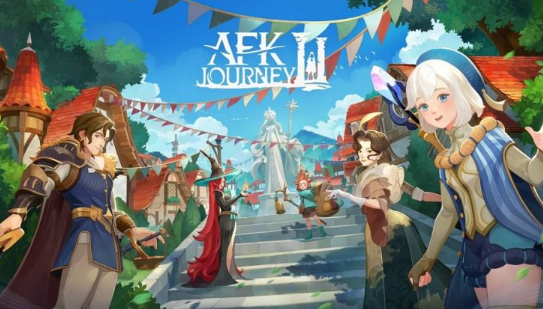
AFK Journey is an idle-RPG spin on the AFK formula—build teams, manage positioning, cash in AFK rewards, then slam your face into progression walls until you tweak one unit and suddenly everything works again. It’s available on mobile and PC, and it’s built/published under the Lilith umbrella (with Farlight branding attached depending on platform listings), with global availability and regular updates/events.
I. Introduction & Game Overview (The “What Am I Even Playing?” Part)
AFK Journey is basically the “idle RPG but with real team tactics” cousin of AFK Arena. You still get the idle progression loop—log in, claim resources, push stages—but the fights lean harder into formation positioning, timing, crowd control, faction bonuses, and mode-specific team planning. On paper it’s “AFK,” but in practice, when you hit the tougher chapters or competitive modes, it becomes “AFK… unless you want to win.”
Platform-wise, it’s on iOS/Android and also supports PC play (either through official PC availability depending on region/storefront, or through emulation setups many players use).
The core loop is:
Build a 3–5 hero team (depending on mode and stage rules),
Place them smartly (frontline/backline matters a lot more than new players think),
Let supports and control heroes do the dirty work,
Watch your carry delete something important,
Repeat until you hit the next wall.
And here’s the big truth: tier lists matter, but not in the way people want. The strongest “overall” hero might be SSS in AFK stages and merely “nice” in Dream Realm. Meanwhile, some “mid” hero becomes a monster in PvP because their kit hard-counters control comps. That’s why a good guide talks about modes, not just “SS/S/A.”
II. Character System & Rarity Framework (Rarity Is Not the Whole Story)
Let’s talk about how AFK Journey characters are organized, because this is where a lot of “new player pain” comes from.
A. Roster Basics: Heroes, Factions, Roles
AFK Journey’s roster is big and keeps growing through updates and events. Depending on when you started, you’ll see a mix of classic AFK faces and newer designs. Communities usually group heroes by:
Rarity tiers (S-rarity being the premium chase tier, A-rarity being common-but-valuable, and lower tiers used early then phased out)
Factions like Lightbearer, Mauler, Wilder, Graveborn, plus higher-end “special” factions (Celestial/Hypogean style categories depending on how the game labels them in your version)
Roles like Tank, DPS, Support, Specialist, Marksman, Mage, Rogue, Warrior
The important part isn’t the label—it’s what the kit actually does. A “Tank” that doesn’t control enemy targeting is basically a decorative speed bump. A “Support” that buffs and fuels ultimates can be more valuable than a second DPS.
B. Rarity Implications (Why Low Rarity Can Still Be Goated)
Yes, higher rarity tends to mean better base stats and scaling. But AFK Journey has always rewarded kit value over stat flex. If a lower-rarity hero provides something rare—like energy battery, fight-winning CC, or teamwide buffs—they stay relevant long after their raw stats should’ve fallen off.
This is why some players swear by “cheap” heroes for way longer than you’d expect. It’s not cope. It’s how the game is built: synergy multiplies value.
C. Faction Bonuses (Free Power You Shouldn’t Ignore)
Faction bonuses are one of those things everyone forgets until they’re stuck, then suddenly they’re counting faction members like it’s a math exam.
Matching factions usually gives you:
extra stats,
sometimes synergy effects,
and more predictable team behavior (because faction kits often “want” the same kind of comp).
The real trick is balancing faction bonus power with “I need a healer right now or I die.” Early game: don’t force it. Mid/late game: start caring.
III. SS-Tier Characters — Game-Defining Powerhouses (The “Yeah This Feels Unfair” Club)
Tier lists differ by creator, but most modern lists agree on one thing: SS-tier isn’t “strong.” It’s team-warping.
Some community tier list frameworks (like the ones used by major guide sites) split heroes by role and also by mode (AFK stages, Dream Realm, PvP). Prydwen-style list formats are a good example of separating evaluations instead of pretending one tier fits everything.
Below is the SS-tier section in the spirit of your outline—explained like an actual player who has watched these kits decide fights.
1) Bryon (Magic Marksman, S-Rarity)
Bryon is one of those heroes that doesn’t just “do damage.” He controls the tempo. He’s the kind of unit that makes you feel like you’re cheating because the enemy team is permanently inconvenienced—debuffed, slowed, or forced into bad trades.
In PvP, heroes like Bryon become disgusting because PvP isn’t about perfect DPS uptime—it’s about who gets the first clean ultimate rotation and who gets stuck flailing.
2) Faramor (Rogue, S-Rarity)
True damage and anti-sustain effects are always scary in AFK-style games because late game is full of:
enemies with huge health pools,
annoying heals,
revive mechanics,
and “why won’t this thing die” moments.
A hero that shuts down healing/resurrection becomes a “meta lever.” If your server meta leans into sustain comps, Faramor stocks go up.
3) Saida (Rogue, S-Rarity)
Self-sustain, life steal, self-rez vibes—Saida is basically the “I refuse to lose” hero archetype. These kits are notorious in auto-battlers because they win fights you had no business winning. A lot of players rate units like this higher than pure glass cannons because consistency is king.
4) Bonnie (Marksman, S-Rarity)
If Bonnie manipulates haste/tempo the way the outline implies, then yeah—she belongs near the top. Haste in AFK Journey is basically “more turns, more ults, more everything.” In most builds, haste doesn’t just boost damage; it boosts control frequency, healing frequency, and energy generation indirectly.
5) Eironn (Rogue, S-Rarity)
Eironn-style “pull and cluster” heroes are always meta for one reason: they turn your AoE into a win condition. Enemy positioning is usually random/annoying. A unit that fixes that problem for you is priceless.
When I’m pushing stages, Eironn-type kits are what let you turn messy fights into “clean wipes.” They also enable control chains because clustered enemies get hit by everything at once.
6) Tasi (Mage, S-Rarity)
Control mages are the secret bosses of AFK games. When a kit reliably:
disables enemies,
delays ultimates,
creates dead time,
it becomes valuable in every single mode except maybe pure DPS race boss content.
Tasi is the kind of hero you hate fighting in PvP and love having in campaign.
7) Ulmus (Tank, S-Rarity)
Support tanks are the “grown-up” version of tanks. They don’t just stand there—they enable the team with CC synergy, buffs, or protective effects. A tank that helps your team win faster is way better than a tank that just dies slower.
8) Elijah & Lailah (Support, S-Rarity)
Energy refund / haste / battery supports are basically the glue of high-end teams. If they’re truly “mandatory support tier,” it’s because they enable the most important thing in AFK Journey: getting your carry online before you get deleted.
9) Rowan / Velara / Daimon / Thador / etc.
A lot of these names are classic “kit value” heroes: healing, energy, scaling damage, multi-mode usefulness. If your account has even one top-tier enabler support and one reliable carry, your whole experience improves.
IV. S-Tier Characters — Highly Effective Specialists (Strong, But With Rules)
S-tier is where you get heroes that are amazing, but you need to respect their conditions.
A. S-Tier Mage Specialists
Shemira-style kits are often all-mode strong because self-heal + damage scaling is a classic AFK formula.
Cyran/Arden-style control tends to dominate PvP and campaign, but can feel weaker in Dream Realm boss races.
Lucy Heartfilia is especially interesting because she’s tied to a crossover event—AFK Journey has run major collabs like Fairy Tail, letting players obtain event units during limited windows.
Crossover heroes usually land in one of two places: either “surprisingly strong” (to drive hype) or “good but not mandatory” (to avoid breaking the game forever). If Lucy plays like a flexible jack-of-all-trades, she’s the kind of unit that feels incredible for midgame accounts that lack depth.
B. S-Tier Marksman Specialists
Marksmen are weird: they either melt everything or get sneezed on and die.
Lily May being a PvP counter makes sense—PvP rewards burst and tempo.
Zanie as a reliable alternative is the kind of hero I always recommend to sane players: consistent, easy to build, doesn’t require you to pray.
C. S-Tier Supports & Healers
Supports win accounts. Period.
If Koko reflects damage and heals, that’s not just sustain—that’s anti-burst tech.
Smokey & Meerky as a duo-style support is the kind of kit that stays useful because it does multiple jobs in one slot.
Pandora/Phraesto “utility” supports are often the heroes you don’t appreciate until you remove them and everything collapses.
D. S-Tier Tank Alternatives
I love that your outline calls out Granny Dahnie as a low-rarity monster. That’s such an AFK Journey thing: a unit people ignore because of rarity, then later the community goes “wait why is she unkillable and also enabling wins?”
V. A-Tier Characters — Versatile Powerhouses (Good Investments, Not Insta-Wins)
A-tier is basically: “If you build them properly, they’ll do their job. If you don’t, you’ll think they’re trash.”
This tier is full of:
solid damage dealers that lack the absurd upside of SS/S,
tanks that work but don’t warp fights,
supports that are good but not universally best-in-slot.
My personal A-tier rule: build these when they complete a team, not just because they look cool.
Examples from your outline:
Athalia / Perseus as frontline fighters with control/utility
Zandrok as a secondary carry when your main carry can’t cover both teams (this matters later)
Niru as a healer that becomes way better after specific unlock conditions
A-tier is where “player skill” and “team design” matter most. You can absolutely beat higher investment teams if your comp is tighter.
VI. B-Tier Characters — Situational Strengths (They’re Not Bad, They’re Just Picky)
B-tier heroes usually fall into one of these buckets:
Great early, fall off late
Great in one mode, meh elsewhere
Great with one partner, awkward otherwise
“Needs too many resources to become average”
Your list nails the vibe:
Tanks like Brutus are iconic “survive forever” early, then later you want utility tanks.
Cecia-type AoE carries feel amazing when enemies are squishy, then late game they get outscaled.
Utility supports like Lorsan can be clutch if they enable control chains.
Assassins like Silvina can win fights by deleting backlines, but also die instantly if they don’t get the perfect target.
B-tier is also where I park heroes I like personally. Because not every build decision has to be a spreadsheet. But if your goal is pure progression efficiency, you treat B-tier as tools, not centerpieces.
VII. C-Tier & D-Tier — Early Game Only (Or Meme Picks)
C/D tier heroes usually exist for:
early tutorial comps,
faction filler,
niche gimmicks,
or “I like the character so I’m making it work.”
Some exceptions always exist (like your Granny Dahnie example, which is basically the poster child for “tier lists miss context”), but generally: don’t sink premium resources here unless you have a plan.
VIII. Character Roles & Team Synergy Framework (How to Build Teams That Don’t Explode)
This is the section most tier lists skip, and it’s honestly the section that wins you the game.
A. What Roles Actually Do in Practice
Tank: not “highest HP.” A real tank disrupts enemies—taunt, CC, shielding, damage reduction, formation protection.
DPS: your win condition, but needs time + protection.
Support: makes your DPS function; sometimes support is the real carry.
Specialist: control, debuffs, weird mechanics, fight-swinging utility.
Marksman: ranged damage, often fragile; needs frontline stability.
Mage: AoE/control, often fight-defining in campaign/PvP.
Warrior/Rogue: hybrid threat pieces—either frontline bruisers or backline divers.
B. The Three Team Rules I Use
One real win condition (a carry that can end fights)
One real enabler (energy/haste/healing/buff support)
One fight-shaper (control, pull, debuffs, disruption)
Then you fill the last slot(s) with whatever your mode needs: more sustain, more burst, anti-heal, etc.
C. Synergy Examples That Always Work
Pull/cluster + AoE (Eironn enabling anything that splashes)
Energy battery + burst carry (faster ult wins)
CC chain + backline delete (PvP classic)
IX. Game Modes & Tier List Differentiation (Why Your “S-Tier” Feels Weak)
This is where most players get mad at tier lists.
A. AFK Stages (Progression)
Campaign pushing loves:
consistent damage,
control,
sustain,
and anti-burst tools.
A “stable” team clears more than a “high DPS” team that randomly loses because the healer got sniped.
B. Dream Realm (Boss Content)
Boss modes often flip the meta:
tanks matter less,
pure single-target damage matters more,
uptime matters,
and certain debuffs become huge.
Heroes that scale off enemy HP or ignore defense often shine here.
C. PvP Arena
PvP rewards:
tempo (first ultimate),
control chains,
burst delete,
and anti-sustain.
That’s why certain heroes look “average” in PvE but become terrifying in arena.
And yes—meta shifts often happen faster in PvP because players copy each other instantly.
X. Monetization & Acquisition Systems (How to Pull Without Regret)
AFK Journey uses the familiar gacha structure:
tickets/currency pulls,
pity systems,
rotating banners,
and “you can F2P it, but it takes discipline.”
My player advice:
Early: build one carry + one top support before you chase “cool DPS.”
Mid: expand into a second team.
Late: optimize per mode (Dream Realm team ≠ PvP team).
XI. Community Feedback & Consensus (What Players Actually Agree On)
Communities argue about A-tier boundaries forever, but usually agree on:
a core group of meta enablers (energy/haste supports),
one or two campaign monsters,
and the obvious underperformers.
Also, streamers influence perception massively—sometimes they’re right, sometimes they’re just really good at piloting a tricky hero and making it look easy.
XII. Hero Types & Playstyle Archetypes (Pick What Fits You)
A lot of frustration disappears when you build heroes that match your habits.
Want low effort, consistent clears? Build sustained carries + supports.
Want fast clears and dopamine? Build burst teams.
Want PvP wins? Build control + tempo.
Want to be stubborn and win with off-meta? Build one gimmick comp and commit.
Tier lists don’t know your hands. You do.
XIII. Tier List Factors & Evaluation Criteria (Why “SS” Isn’t Universal)
Tier placement usually depends on:
damage profile (AoE vs single-target),
survivability,
utility and CC,
synergy with common supports,
versatility across modes,
and learning curve.
Also: rarity matters less than people think. A lower-rarity hero with the right kit can outperform an S-rarity hero that needs specific partners you don’t own.
XIV. Tier List Evolution & Patch History (Meta Is a Moving Target)
AFK Journey evolves through:
new hero releases,
balance changes,
event units (like collab heroes),
and mode changes that suddenly reward different mechanics.
That’s why you should always check whether a tier list is updated recently. Some sites clearly show update timing; others quietly rot.
XV. Comparison Across Tier Lists (Why LDShop vs Prydwen vs Random YouTuber Disagree)
Different tier lists weigh different things:
some prioritize campaign,
some prioritize bosses,
some prioritize PvP,
some assume ideal gear and perfect comps.
Prydwen-style tiering tends to emphasize structured evaluations and role context rather than “one list to rule them all.”
My take: check 2–3 lists, look for overlap, then decide based on your roster.
XVI. Beginner & F2P Recommendations (If You’re New, Do This)
Beginner Plan (Simple and Effective)
Pick one strong carry and build them hard.
Secure one strong support (healing + energy/haste is god-tier).
Add one control/disruption hero.
Stop building ten heroes at once.
Most Common Beginner Mistakes
spreading resources too thin,
ignoring faction bonuses forever,
building only DPS and wondering why you die,
pulling emotionally instead of strategically (we’ve all done it).
XVII. FAQ (Real Questions I See Every Day)
Q: Who should I pull for as a new player?
Supports first. A great support makes every future pull better.
Q: Are lower-rarity heroes viable?
Yes—especially if their kit is rare (energy, CC, team buffs).
Q: How often do tier lists update?
Depends on the site. Always check the update date before trusting anything blindly.
Q: Why does my “S-tier” hero feel weak?
Usually team synergy. Your carry might be great, but your supports might be doing nothing for them.
If you take only one thing from this AFK Journey characters guide, let it be this: the best hero isn’t always the best investment for your account. AFK Journey is a comp game. It rewards players who build one reliable win condition, then stack the boring-but-broken supports and control pieces that let that win condition actually function.
SS-tier heroes are SS-tier because they warp fights—energy engines, control monsters, sustain breakers, and teamwide enablers. S-tier heroes are amazing when you respect their conditions. A-tier heroes are where smart team-building shines. And B/C-tier heroes? Some are traps, some are tools, and a few are secret gems if you build around them instead of forcing them into the wrong job.
One last real-player recommendation: keep a small “core roster” for progression, then branch into Dream Realm/PvP specialists once your main team stops starving for resources. That approach feels slower for a week—and then it feels unstoppable for months.