Underdark Defense Tier List 2026: Best Heroes, Towers, Artifacts, Pets, Builds, and Upgrade Prioriti
If there is one thing I learned after pushing deeper into UnderDark: Defense, it is that a simple “pick the highest-rarity hero and five legendary towers” approach does not work for very long. Early stages let you get away with almost anything, but later bosses, Ranking Dungeons, Daily Dungeons, PvP, and long farming runs expose every weak part of your build.
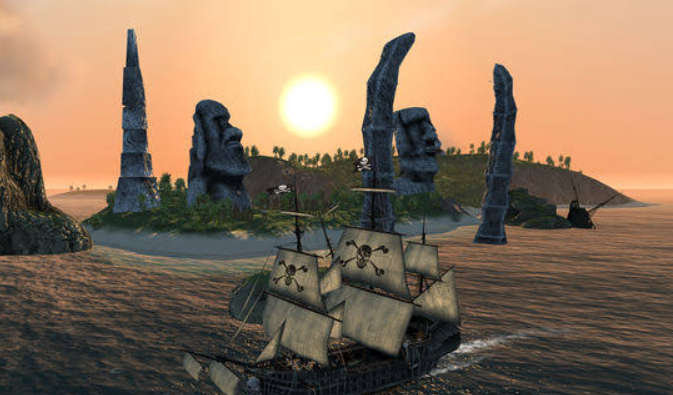
That is why this underdark defense tier list ranks more than individual heroes. Heroes and towers are only the visible part of the setup. Artifacts, pets, equipment bonuses, tower levels, support mercenaries, positioning, and even whether you are building pre-dungeon or in-dungeon damage can completely change which unit performs best.
The 2026 environment is also different from older tier lists. Reaper and Fat Shark were reworked in June, Samurai and Ninja received major buffs in July, and the August update improved Squirrel Thunder while remaking A Princess and a Knight. Normal stages have also expanded to Stage 970, while PvP and revised co-op matchmaking have made flexible builds more valuable than before.
My overall recommendation for most tower-focused players remains Living Tower as the safest general-purpose hero, with Plague Doctor, Samurai, Ninja, Thor, Necromancer, Reaper, and several newer heroes competing depending on the mode. For towers, BB Pellet, Gem Beam, Tamed Hell Jellyfish, Goblin Tower Factory, Majority Atom, Mine Tower, and the major support towers form the backbone of many serious builds.
The important part, though, is understanding why these units are strong.
I. Introduction to the Underdark Defense Tier List
A. How Heroes and Towers Affect Overall Progression
Your hero and tower lineup determines how a run develops from the first wave to the final boss. The hero can contribute direct damage, debuffs, extra tower generation, global attack bonuses, crowd control, or automatic-farming utility. Towers handle most of the map control, scaling damage, resource generation, and support effects.
You can equip up to five towers for a run, and tower abilities improve at important level milestones. This makes tower level much more important than rarity by itself. A heavily upgraded Skeleton Mage can easily outperform a freshly unlocked legendary tower because the higher-level tower already has several additional effects active. Community players repeatedly point out that tower level and equipment bonuses can outweigh theoretical tier placement.
B. Why Tier Rankings Change After Balance Updates
I would never use a 2024 or early-2025 hero list as a final answer in 2026.
The developer has been actively reworking heroes. Reaper's minion system and Fat Shark's anchor mechanics were improved in June 2026. Samurai gained stronger boss damage, a larger wave-scaling attack bonus, a piercing Crescent Slash, and additional starting Target the Strong cards. Ninja gained execute-style damage against enemies below 20% HP and Shadow Marks that increase damage against marked targets.
Even the August update changed the picture again by strengthening Squirrel Thunder and substantially remaking A Princess and a Knight. A useful tier list therefore has to be treated as a snapshot rather than permanent truth.
C. Difference Between Hero Tier and Tower Tier
Hero tier and tower tier solve different problems.
A strong hero can make every tower better. Living Tower, for example, increases all tower attack power based on the number of different tower types built and can generate extra towers when you construct them. Necromancer creates Skeleton Legion towers whose soldiers increase the attack power of both heroes and towers. Plague Doctor weakens enemies so they take 50% more damage from attacks.
A tower, meanwhile, usually has a narrower job: direct damage, buffing, crowd control, generation, or map manipulation. That is why a top hero can fit several tower builds, while a top damage tower may require an entire lineup built around it.
II. Underdark Defense Tier List 2026
This is my general-purpose ranking for the current 2026 environment. It combines stage progression, farming, boss potential, late-game scaling, and ease of building. Specialized Ranking Dungeon setups can absolutely move a unit up or down.
A. S-Tier Meta Units
Heroes
Living Tower – S+ Tier
Still my safest overall recommendation for tower-centric accounts. Every different tower type you build increases all tower attack, and constructing towers can generate additional tower cards. Living Tower also received buffs and dedicated growth missions in April 2026.
Plague Doctor – S Tier
Weakening enemies so they take 50% additional damage is ridiculously useful because it multiplies the value of your entire setup rather than improving only one attack. Higher levels add explosions, spread Weakness, extra resources, poison penetration, and tower generation.
Samurai – S Tier
The July buff pushed Samurai much higher for boss-oriented hero damage. Target the Strong now gets independent boss bonus damage, the wave-based attack bonus was doubled from 30% to 60% at the relevant upgrade, and Crescent Slash gained piercing behavior.
Ninja – S Tier
Ninja is now far more dangerous against weakened enemies. Below 20% HP, targets take double damage from Ninja, while Shuriken applies Shadow Marks that increase incoming damage. At Level 12, the mark limit rises further.
Thor – S Tier
Thor's Mjolnir applies Shock, slows enemies, and causes shocked targets to take a large amount of additional damage. In hero-damage and status-focused builds, that makes him both attacker and amplifier.
Towers
BB Pellet, Gem Beam, Tamed Hell Jellyfish, Goblin Tower Factory, Majority Atom, Mine Tower, Jangseung Totem, Foolish Tree, Hero's Statue, and Paladin make up most of my S-tier tower pool.
Community endgame discussions repeatedly identify BB Pellet, Jellyfish, and Gem Beam among the most common late-ranking damage cores, while Goblin Factory and Mine Tower are popular universal support choices.
B. A-Tier Strong and Flexible Units
Necromancer remains fantastic, especially on maps where the Skeleton Legion towers have room to accumulate. At higher levels each skeleton provides increasingly powerful global attack bonuses, and the hero eventually gains a Skeleton Legion tower every wave.
Reaper is much more attractive after the June minion rework. Reaper receives minion summon cards every wave, and the summoned units follow the hero's attacks.
Fat Shark/Chubby Shark also improved in June. Its Iron Anchors provide area damage and positional control, and the current version supports more reliable anchor mechanics than older guides describe.
Anubis, Valkyrie, Squirrel Thunder, Jolly Pirate, Mad Vampire, and A Princess and a Knight all have A-tier potential depending on investment. Anubis brings huge marked-target amplification, Valkyrie inflicts a damage-taken debuff, and the August Princess/Knight remake added enormous stacking Final Attack, Critical Damage, and Attack Speed potential.
C. B-Tier Situational Choices
Agni, Clumsy Elf, Treasure Hunter, Gamblewood, Orange-haired Magician, Skeleton Wishing to Become a Hero, Siren, Bear Eating Salmon, Joker, Unknown Armor, Orcs and Boars, and several economy heroes live around B tier for me.
Some of them are fantastic in the right mode. Agni appears in boss-focused tower builds because its Furnace mechanic provides additional progression during the run. Clumsy Elf works nicely with status and attack-speed setups. Treasure Hunter creates special damage tiles. Gamblewood can generate unusually strong buff outcomes.
The issue is consistency. They need more favorable circumstances than Living Tower or Plague Doctor.
D. Lower-Tier and Investment-Dependent Units
Common economy heroes such as Merchant Goblin, Wandering Soul, Thoughtless Dwarf, and other early choices are not necessarily “bad.” They simply offer less direct endgame scaling.
A Thoughtless Dwarf, for example, can generate random towers and pickaxes. That is genuinely helpful while unlocking the map and learning tower placement. But once your account has high-level support towers, Divine equipment, strong artifacts, and optimized farming builds, its opportunity cost becomes more noticeable.
The same rule applies to towers: a supposedly B-tier tower at Level 16 can outperform an S-tier tower at Level 1. Never ignore your actual upgrade state.
III. How Underdark Defense Units Are Ranked
A. Damage and Wave-Clearing Potential
Wave clearing is not just “damage per hit.” I look at range, AoE coverage, scaling over time, attack speed, how much positioning is required, and whether the unit can keep attacking different lanes.
Gem Beam is excellent because every kill increases its attack power by 1%, creating natural long-run scaling. Tamed Hell Jellyfish increases attack every ten seconds. Skeleton Mage gains attack power when connected in chains. BB Pellet creates bouncing projectiles that can repeatedly hit enemies when the map geometry is favorable.
Those scaling mechanics are why they outperform simple early towers in long stages.
B. Boss Damage Performance
Bosses change the ranking dramatically.
Crowd-control-only towers lose value when bosses resist or ignore certain effects. Direct damage, vulnerability, boss-specific artifact bonuses, and positional control become much more important.
BB Pellet is one of the most popular dedicated boss options. Paladin is not there for personal damage; its job can be pushing the boss backward and keeping it in the ideal damage zone. Curse and Darkness artifact sets specifically provide large boss-damage bonuses.
This is why my “best boss tower” and “best farming tower” answers are different.
C. Crowd Control and Team Utility
Crowd control becomes more valuable as enemy HP rises faster than your raw damage.
Unpredictable Cat can rewind monsters to their position from five seconds earlier or stun them. Mysterious One-Eyed Portal moves enemies between portal tiles and can remove weakened non-boss monsters from the field. Ice Spirit slows movement. Rocket Launcher can launch stun and poison rockets. Paladin pushes enemies.
Recent Ranking Dungeon guidance also notes that execution and stun resistance have become more common, increasing the value of forced-position tools such as Portal and Cat rather than relying entirely on old instant-kill and stun loops.
D. Scaling Into High-Level Content
The best late-game units usually have multiplicative or stacking mechanics.
Gem Beam grows from kills. Jellyfish grows over time. Skeleton Mage improves when chained. Living Tower scales with tower variety. Necromancer turns accumulated skeleton soldiers into global bonuses. Jolly Pirate can stack global attack after shark kills. Princess and Knight now stack Final Attack, Critical Damage, and Attack Speed across weapon cycles.
Static early damage looks great around Stage 50. Scaling is what matters hundreds of stages later.
IV. Underdark Defense Hero Tier List
A. Best Overall Heroes
My top five general heroes are:
1. Living Tower
2. Plague Doctor
3. Samurai
4. Ninja
5. Thor
Living Tower wins overall because it improves tower-centric builds without demanding constant manual play. Plague Doctor is the universal damage amplifier. Samurai and Ninja have become much better after their July balance changes. Thor fits hero-centric damage and debuff builds extremely well.
If your account is heavily invested into towers, Living Tower stays number one. If your equipment strongly favors hero attack, Samurai, Ninja, Thor, Valkyrie, Anubis, or Plague Doctor can outperform it.
B. Best Damage Heroes
For direct hero damage, I currently rate Samurai, Ninja, Anubis, Thor, Valkyrie, Jolly Pirate, and Plague Doctor highly.
Anubis is especially interesting because every fifth attack can deal huge area damage and apply a mark that slows enemies and increases damage received. Valkyrie can repeatedly release sword energy while stationary and apply a Bleed effect that increases damage taken. Samurai gets scaling boss benefits, while Ninja functions almost like an execution specialist once targets fall below 20% HP.
These heroes reward strong weapons and hero-attack equipment much more than Living Tower does.
C. Best Support Heroes
Living Tower and Necromancer are the obvious tower-support choices.
Plague Doctor supports through enemy vulnerability rather than direct tower buffs. Necromancer adds Skeleton Legion towers, and each soldier increases the attack of all towers and the hero. At Level 6 the per-soldier attack increase becomes stronger, while later abilities add another global attack increase and more frequent Skeleton Legion generation.
Siren can also accumulate tower attack through shells, while Bear Eating Salmon provides temporary global attack buffs through Salmon pickups.
D. Best Heroes for Late-Game Progression
Late game rewards scaling and universal value, so I prefer Living Tower, Plague Doctor, Samurai, Ninja, Thor, Necromancer, Anubis, and Princess and Knight.
The current Princess/Knight remake deserves special attention. Defeating enemies increases Final Attack and Critical Damage up to a massive stack cap, later levels improve weapon quality, and Level 12 weapon changes stack Attack Speed up to 500%.
That does not automatically make it the best hero in every mode, but it absolutely makes older tier lists that placed it low unreliable.
V. Best Underdark Defense Heroes
A. Living Tower
Living Tower is my default recommendation whenever somebody asks which hero they should build without giving me more information.
Its ability grants a tower-attack buff for each different tower type built. It can also generate random tower cards whenever you build towers. The result is an extremely smooth progression loop: you build towers, towers improve the global buff, and the hero may give you more towers to continue the cycle.
Living Tower is particularly good for auto farming and Ranking Stage farming. Current build guides specifically use it with Goblin Tower Factory, Elementalist, Majority Atom, Fire Spirit, and Rocket Launcher for automatic progression, and with Goblin Factory, Mine Tower, Majority Atom, Jangseung Totem, and Gem Beam for efficient ranking-stage farming.
B. Ninja and Samurai
Before July 2026 I would have been more cautious about placing both this high.
Samurai now receives stronger Target the Strong boss scaling, a 60% wave-based attack increase at Level 9, piercing Crescent Slash behavior, and four Target the Strong cards at the start when Level 12 is unlocked.
Ninja now deals double damage to monsters below 20% HP, while Shuriken hits apply Shadow Marks that increase damage received. The mark capacity grows at Level 12.
If you enjoy actively moving your hero and using equipment as the main damage engine, both are excellent investments.
C. Necromancer and Plague Doctor
Necromancer is the better tower-scaling specialist.
Every Skeleton Legion tower contains skeletal soldiers, and every soldier boosts the attack of all towers and the hero. At Level 12, you gain a Skeleton Legion every wave, allowing large maps to become stronger and stronger over time.
Plague Doctor is more universal. Poison Weakness makes targets take 50% more damage from all attacks. Higher levels cause weakened enemies to explode, spread Weakness, provide resource chances, and eventually improve poison penetration and tower generation.
If I were starting a new account and pulled either one, I would happily keep going.
D. Reaper, Fat Shark, and Other Meta Options
Reaper and Fat Shark deserve reevaluation after their June remakes.
Reaper now has an improved minion-based identity. Every wave provides a minion summon card, and those minions follow hero attacks for a limited duration. Fat Shark's Iron Anchors were also improved, strengthening its area-control playstyle.
Beyond them, I would watch Thor, Valkyrie, Anubis, Squirrel Thunder, Jolly Pirate, Princess and Knight, and Alien Spaceship. These newer or recently adjusted heroes are why I would avoid dumping every trophy into only the oldest “meta” characters.
VI. Underdark Defense Tower Tier List
A. S-Tier Towers
My current S-tier pool is:
BB Pellet – extreme boss and map-geometry damage.
Gem Beam – fantastic kill-based scaling.
Tamed Hell Jellyfish – time-based late-game scaling.
Goblin Tower Factory – generates your equipped towers.
Mine Tower – generates pickaxes.
Majority Atom – powerful global hero/tower attack manipulation.
Jangseung Totem – huge vertical-line tower attack buff.
Foolish Tree – attack-speed and offensive support.
Hero's Statue – local tower damage amplification.
Paladin – damage support plus boss positioning utility.
These towers occupy different roles, so I would not compare Goblin Factory's personal DPS directly with BB Pellet. Their value comes from what they enable.
B. Best Main Damage Towers
BB Pellet is my boss specialist.
Gem Beam is my favorite general Ranking Dungeon damage tower because killing enemies continually raises its attack.
Tamed Hell Jellyfish is excellent in long runs because its attack increases every ten seconds.
Skeleton Mage remains excellent for players who have invested heavily into it, gaining 50% more attack for each connected Skeleton Mage.
This is also where account progression matters. A Level 12 Skeleton Mage with Divine bonuses can destroy a newly obtained Gem Beam.
C. Best Support Towers
Majority Atom, Hero's Statue, Foolish Tree, Paladin, and Jangseung Totem are my key supports.
Hero's Statue increases attack power for towers in a four-tile range and stacks through multiple statues. Jangseung Totem increases attack for towers in its vertical column. Paladin increases attack for towers in the same horizontal row. Majority Atom changes between tower and hero buffs depending on how it is placed.
The best tower-damage layouts therefore resemble buff networks rather than simply filling every open tile with damage towers.
D. Best Crowd-Control Towers
Unpredictable Cat is one of my favorite current utility towers because rewinding a monster's position is valuable even when stun immunity becomes a problem.
Mysterious One-Eyed Portal provides forced repositioning and a chance to remove weakened normal monsters.
Paladin pushes bosses back.
Energy Sphere Hamster, Rocket Launcher, Ice Spirit, and Spitting Penguin provide stuns, slows, or mixed control.
For high Ranking Dungeon progression, I increasingly value position control over pure stun stacking.
VII. Best Underdark Defense Towers
A. Elementalist
Elementalist is a legendary tower that randomly becomes a Fire or Ice version when constructed or upgraded.
I like it because it fits naturally into automatic progression builds and benefits from builds that want multiple tower types rather than one narrow damage source. Living Tower especially appreciates variety because each different constructed tower type contributes to its global tower attack scaling.
Elementalist is not necessarily my number-one raw damage tower, but it is easy to fit into flexible progression setups. That is why current auto-build recommendations continue to include it.
B. Goblin Factory
Goblin Tower Factory is close to mandatory for many tower-heavy accounts.
Every 60 seconds it produces one of your equipped towers at random, and in-run upgrades shorten the generation timer. It also has a chance to produce a Level 2 tower.
That sounds like economy rather than damage, but the extra towers eventually become damage, support coverage, upgrades, and more opportunities to build your layout.
Community endgame discussions frequently mention Goblin Factory alongside Mine Tower as near-universal support pieces in serious tower builds.
C. Majority Atom and Gem Beam
Majority Atom is one of the most interesting support towers because placement changes what it buffs.
An odd-length consecutive placement buffs all tower attack, while an even-length placement buffs hero attack. Upgrade levels strengthen those effects, and larger connected groups add additional bonuses up to a placement limit.
Gem Beam is much simpler: kill enemies and become stronger.
Pairing them gives you a scaling damage carry and a configurable attack amplifier. This is one reason Gem Beam appears in the recommended Ranking Stage farming lineup alongside Majority Atom.
D. Paladin, Totem, and Hero's Statue
These three teach the most important lesson about tower placement.
Paladin buffs towers in its horizontal row and can push bosses.
Jangseung Totem buffs towers in its vertical column.
Hero's Statue buffs towers within a four-tile radius, and its effects stack.
You therefore want to build a damage “sweet spot” where the main tower receives several overlapping bonuses. Throwing these supports randomly around the map wastes an enormous amount of potential damage.
VIII. Best Hero and Tower Combinations
A. Hero–Tower Synergy Explained
The best combination is not automatically “S-tier hero + five S-tier towers.”
Living Tower wants tower variety and constant construction. Necromancer likes long maps where Skeleton Legion towers can accumulate. Plague Doctor likes towers that hit many weakened enemies. Hero-damage characters may want Majority Atom arranged for hero attack rather than tower attack.
The correct lineup therefore begins with one question: What is my main damage source?
Once you answer that, every other slot should make that source stronger or buy it more time.
B. Best Combinations for Wave Clearing
For general wave clearing I like:
Hero: Living Tower
Towers: Gem Beam / Goblin Factory / Majority Atom / Jangseung Totem / Mine Tower
Gem Beam scales from kills. Factory creates more towers. Mine Tower provides pickaxes. Majority Atom boosts damage. Totem improves the main damage lane.
A more automatic version swaps into Elementalist, Fire Spirit, and Rocket Launcher, matching current auto-progression recommendations.
C. Best Combinations for Boss Damage
For bosses, my tower-focused version is:
Hero: Agni or Living Tower
Towers: BB Pellet / Paladin / Foolish Tree or Hero's Statue / Jangseung Totem / Mine Tower
Use Curse and Darkness artifact bonuses, stack tower attack speed, and let Paladin keep the boss in BB Pellet's ideal damage zone.
For hero-focused boss damage, Samurai, Ninja, Thor, Anubis, or Plague Doctor can replace Living Tower depending on weapon quality.
D. Best Combinations for Automatic Farming
The established low-input farming template is still excellent:
Living Tower + Goblin Factory + Elementalist + Majority Atom + Fire Spirit + Rocket Launcher
Use Automatic and Fortress artifact effects and prioritize tower attack-speed pets, especially Blink.
The biggest advantage is consistency. You are not trying to set a world-record score. You are trying to clear content repeatedly without babysitting every placement.
IX. Underdark Defense Reroll Tier List
A. Best Heroes to Reroll For
If you are determined to restart for a strong opening, my targets are:
S Tier: Living Tower, Plague Doctor, Necromancer
A+ Tier: Samurai, Ninja, Thor
A Tier: Reaper, Fat Shark, Valkyrie, Anubis
Necromancer is especially beginner-friendly because it effectively gives you extra Skeleton Legion tower value while increasing global damage. Community beginner advice has long recommended Necromancer as one of the better early pulls.
That said, I would not spend days rerolling. Long-term tower levels, items, artifacts, and hero levels matter much more.
B. Best Towers to Reroll For
For towers I prioritize:
Goblin Tower Factory first for economy.
Then Gem Beam, BB Pellet, Tamed Hell Jellyfish, Majority Atom, Mine Tower, Jangseung Totem, or whichever high-end tower already matches your item bonuses.
If you receive a strong legendary tower but your account keeps dropping shards for a different tower, do not stubbornly force the legendary. Levels unlock major abilities, so accessible upgrades are real power.
C. Heroes Versus Towers as First Priorities
I prefer getting one strong hero first and then developing towers naturally.
Heroes can provide universal effects that remain relevant even as your tower lineup changes. Living Tower, Plague Doctor, and Necromancer are good examples.
However, tower contracts are never wasted. A powerful tower at Level 8 or 12 may impact your actual progression more than a second legendary hero sitting at Level 1.
D. When to Stop Rerolling
Stop when you have one hero you can comfortably build and two or three useful towers.
The account eventually needs hero levels, tower levels, Divine items, pets, artifacts, support mercenaries, mount progression, and mode-specific setups. Starting with a “perfect” hero will not skip that grind.
In fact, community players commonly recommend buying enough hero shards to raise multiple heroes to Level 5 because doing so contributes to support-mercenary progression.
X. Underdark Defense Beginner Tier List
A. Best Starting Hero
My safest choices are Necromancer, Plague Doctor, and Living Tower.
Necromancer is easy to understand: survive while the Skeleton Legion grows.
Plague Doctor makes everything you already own hit harder.
Living Tower rewards simply building and upgrading towers.
If you do not have them, Thoughtless Dwarf and Merchant Goblin can be useful temporary economy heroes. Beginner community advice also points to Dwarf and Goblin as practical early map-building choices.
B. Best Early-Game Towers
Goblin Factory is excellent whenever available.
Skeleton Mage and Skeleton Archer are strong if you can connect them properly.
Hero's Statue and Foolish Tree teach support placement.
Energy Sphere Hamster gives useful control.
Spitting Penguin offers AoE damage, slowing, and anti-air targeting.
You do not need the full legendary meta at Stage 50. Community experience suggests that many well-designed tower combinations remain completely viable through roughly Stage 250 before optimization becomes much more important.
C. Beginner-Friendly Tower Combinations
A simple setup is:
Main DPS: Skeleton Mage
Secondary: Spitting Penguin
Support: Hero's Statue
Economy: Goblin Factory
Control: Energy Sphere Hamster
Place several connected Skeleton Mages where they can share buffs. Build Statues around the main cluster and let Penguin deal with lanes where movement reduction helps.
This setup is not “the final meta.” That is the point. It is easy to understand and teaches the core systems.
D. Units Worth Investing in Long Term
Long-term tower targets include Goblin Factory, Mine Tower, Majority Atom, Gem Beam, BB Pellet, Tamed Hell Jellyfish, Hero's Statue, Foolish Tree, Paladin, and Jangseung Totem.
For heroes, Living Tower, Plague Doctor, Necromancer, Samurai, Ninja, Thor, Reaper, Anubis, and several newer reworked heroes are safer investments than disposable early economy units.
Do not neglect hero Levels 3, 6, 9, and 12. Those ability breakpoints can change how a hero functions rather than simply adding statistics.
XI. Underdark Defense Tower Damage Build
A. Tower Attack Power
Tower damage has several different categories of bonuses, and this matters a lot more than it first appears.
Pre-dungeon tower damage combines tower base attack, flat attack increases, multiplier-style bonuses, and percentage bonuses. Importantly, bonuses inside one category are generally additive rather than multiplying each other.
That means stacking only one type of “tower attack +%” bonus is inefficient.
You want several different damage categories contributing together.
B. Attack Speed and Critical Damage
Once your base tower attack is healthy, Attack Speed and Critical Damage can produce enormous improvements.
Foolish Tree is particularly useful because it enhances nearby tower attack speed and gains stronger offensive utility at higher levels. Fortress artifact sigils provide huge tower Critical Damage bonuses, reaching +500% with the four-piece effect.
Blink is currently one of the most commonly recommended pets for tower builds specifically because of tower Attack Speed.
C. Combining Different Damage Multipliers
This is one of the most common build mistakes.
If you already have a gigantic amount of one percentage category, getting another small bonus in that same bucket produces less relative improvement than adding a missing multiplier or flat-value source.
Current tower-damage guidance therefore recommends balancing flat attack, multiplier bonuses, and percentage bonuses rather than stacking one stat endlessly.
When I compare gear, I look at what damage category my build lacks rather than automatically equipping the item with the largest displayed percentage.
D. Pre-Dungeon Versus In-Dungeon Buffs
Pre-dungeon buffs come from equipment, pets, artifacts, structures, and similar account systems.
In-dungeon buffs come from tower placement, support towers, and upgrade selections during the stage.
Those categories are calculated separately in important parts of the tower-damage system.
This is why a build can look mediocre on the equipment screen and then explode in power after Majority Atom, Totem, Hero's Statue, and Foolish Tree start stacking around the main damage tower.
XII. Underdark Defense Hero Damage Build
A. Best Heroes for Direct Damage
Samurai, Ninja, Thor, Anubis, Valkyrie, Plague Doctor, Jolly Pirate, and Mad Vampire are my main hero-damage choices.
Samurai and Ninja received major direct buffs in July. Anubis deals huge periodic attacks and marks targets. Valkyrie applies a large damage-taken effect. Thor applies Shock and bonus damage vulnerability. Mad Vampire increases target damage taken based on proximity.
Your personal best hero depends heavily on which weapon and item bonuses you actually own.
B. Recommended Equipment
Hero builds care much more about weapon quality than tower builds.
Items currently range from Common through Rare, Unique, Elite, Mystery, Epic, Legendary, and Divine. Higher rarities have stronger primary statistics and more additional abilities, with up to three extra abilities available at higher rarities.
For direct hero damage, prioritize a powerful main weapon, suitable secondary weapon, hero attack multipliers, Crit, attack speed, and boss damage when appropriate.
Do not replace a Divine item with a weaker-rarity piece just because the base number looks slightly higher.
C. Hero Attack Buff Priorities
For a pure hero setup, switch Majority Atom into its hero-buff arrangement rather than tower mode.
Artifacts with Torrent increase hero attack, Earth Fragment increases hero Critical Damage, Bone/Abyss effects provide double-attack chances, and Curse/Darkness increase boss damage.
A hero build is therefore much more than “equip a big sword.” Artifacts can completely reshape the performance of the same hero.
D. When Hero Damage Outperforms Tower Damage
Hero damage can pull ahead when you have exceptional Divine weapons and hero-specific additional abilities but weak tower levels.
It is also attractive in modes where placement is awkward or enemies constantly disrupt tower geometry.
The current July Samurai/Ninja buffs make this route more realistic than before. At the same time, tower builds still have the advantage of large multiplicative support networks once your towers, artifacts, and Divine items become heavily developed.
XIII. Underdark Defense Best Builds
A. Automatic Farming Build
My recommended low-input setup is:
Hero: Living Tower
Towers: Goblin Factory, Elementalist, Majority Atom, Fire Spirit, Rocket Launcher
Artifacts: Automatic + Fortress
Pets: Tower Attack Speed, especially Blink
Equipment: Balanced tower flat attack and multipliers
This closely matches current dedicated auto-progression recommendations.
The purpose is reliability rather than record-setting. If you have to manually move the hero every five seconds, it is not really an automatic build.
B. Boss Damage Build
For tower bossing:
Hero: Agni or Living Tower
Main Damage: BB Pellet
Support: Jangseung Totem, Foolish Tree/Hero's Statue, Paladin, Mine Tower
Artifacts: Curse + Darkness
Pets: Attack Speed
Current build guides specifically recommend this structure for Apocalypse Battlefield-style boss damage.
For hero bossing, switch into Samurai, Ninja, Thor, or Anubis and use hero attack plus boss-damage artifacts.
C. Ranking Stage Farming Build
For easy Ranking Stage farming:
Living Tower / Goblin Factory / Mine Tower / Majority Atom / Jangseung Totem / Gem Beam
The build is designed for All-around, Medusa, Penguin, Underbug, and Guild Dungeon farming rather than maximum leaderboard score. Current guides recommend at least Level 12 Jangseung Totem for this style.
Use loot-oriented props when your damage is already comfortably above the clear requirement.
D. High-Stage Progression Build
High stages increasingly reward a mixture of damage and forced movement.
My general setup becomes:
Living Tower or Plague Doctor
Gem Beam or Jellyfish
Goblin Factory
Majority Atom
Unpredictable Cat or Portal
one flexible support: Totem, Statue, Foolish Tree, or Paladin
This gives you scaling damage, tower generation, global buffs, and an answer to enemies that cannot simply be stunned or executed.
XIV. Underdark Defense Artifact Tier List
A. Best Overall Artifacts
For general tower progression:
S Tier: Automatic, Fortress, Spirit Stone
A Tier: Blood-red, Clock, Sun
Specialized S Tier: Curse/Darkness for bosses; White for account XP; Torrent/Earth Fragment/Abyss for hero builds.
Automatic increases tower attack through a multiplier effect and is specifically recommended before players have a complete Divine equipment setup. Fortress massively raises tower Critical Damage, while Spirit Stone directly boosts tower attack.
B. Automatic Fortress Builds
Automatic + Fortress is one of the safest tower combinations.
Automatic handles core attack scaling. Fortress supplies Critical Damage.
Current auto and Ranking Stage farming guides explicitly recommend the pair, which is why I rank it above more niche artifact combinations for everyday progression.
If your towers have poor Critical Chance, however, do not blindly expect Fortress to solve everything. Your entire damage profile needs to support the artifact bonuses.
C. Boss Damage Artifacts
Curse and Darkness are the boss specialists.
Their two-piece effects provide 00% boss damage and four-piece versions reach +250% in their respective artifact categories.
This is a massive reason to maintain a separate boss loadout rather than using your automatic farming artifacts everywhere.
If you are stuck on a boss while normal waves melt instantly, your problem may not be tower choice at all—it may be artifact specialization.
D. Farming and Utility Artifacts
White is the obvious account-level farming set.
Two pieces give additional account EXP at clear, while four pieces dramatically increase that benefit. Current return-player guidance specifically recommends running White artifacts during Light Processing Plant farming and regular XP progression.
Blood-red can generate tower cards after waves, while High Attack provides pickaxe chances. These sets are not pure DPS winners but can improve long-term account efficiency.
XV. Underdark Defense Pet Tier List
A. Best Attack-Speed Pets
Blink is my S-tier tower pet.
Current pet guidance explicitly calls Blink one of the strongest recommendations for tower Attack Speed, and current automatic and farming builds repeatedly point toward Attack Speed as the preferred pet stat.
Attack Speed scales especially well with towers whose mechanics depend on repeated hits, projectiles, stacking, or status application.
If your main tower already has massive attack bonuses, making it attack more frequently can be more valuable than piling on another small percentage of attack.
B. Best Damage Pets
For pure damage, I prioritize pet rarity and rolled offensive effects rather than insisting on one name.
Pets use the same broad rarity system as items, and three can be equipped at once. Different pets can buff the hero, towers, direct damage, or other systems.
Dragons, mushrooms, slimes, and animal pets can all be worthwhile when their rolled options fit the build.
A Divine pet with the correct tower-damage bonuses beats a theoretically “meta” lower-rarity pet with useless rolls.
C. Best Crowd-Control Pets
Crowd-control pets become valuable when your tower lineup is already overloaded with damage.
I prioritize pets capable of slowing, stunning, or otherwise interrupting movement, then combine them with Cat, Portal, Paladin, or Ice Spirit.
The game lets you equip three pets simultaneously, so you do not need every pet slot to perform the same job.
One Attack-Speed pet, one damage pet, and one utility pet is often more balanced than three copies of the same statistical idea.
D. Best Pets for Farming and Bosses
For farming, use tower Attack Speed plus loot-related or progression bonuses if available.
For bosses, remove convenience bonuses and stack direct damage, Attack Speed, Critical Damage, boss damage, or hero attack depending on your main source.
Mounts also now exist as another progression layer, having been added in the July 2025 major update and expanded through later systems, so pet investment is no longer the only companion-related progression you eventually manage.
XVI. Underdark Defense Equipment and Item Tier List
A. Best Weapons
There is no universal “best weapon” because hero builds interact heavily with weapon type and additional abilities.
The important hierarchy is rarity plus useful bonuses.
Items progress through Common, Rare, Unique, Elite, Mystery, Epic, Legendary, and Divine, and higher rarity provides stronger main statistics and additional ability slots.
For hero builds, choose the weapon whose additional abilities amplify the hero's actual mechanics. Samurai and Ninja want very different things from a passive Living Tower setup.
B. Best Divine Items
Divine items are among the strongest long-term progression targets.
Community advice regularly recommends prioritizing Divine items because their tower-related multipliers can be enormous. Players have reported that one strong Divine bonus can make a lower-tier tower outperform a theoretically better tower with no item support.
That is one of the main reasons I refuse to call any tower ranking absolute.
If your Divine item says “this tower gets an enormous bonus,” test that tower.
C. Tower Damage Equipment
For tower damage, balance:
flat tower attack;
multiplier-type tower attack;
percentage tower attack;
tower Attack Speed;
tower Critical Damage;
bonuses to the specific damage tower.
Current damage calculations show that concentrating every equipment slot into only one attack category is inefficient because bonuses in the same category add together.
Specific tower bonuses become especially attractive once you know which tower will be your long-term carry.
D. Hero Damage Equipment
Hero builds should prioritize the main weapon and then fill secondary, helmet, and utility slots with attack, Crit, Attack Speed, boss damage, and survivability.
Heroes currently have dedicated equipment slots including main weapon, secondary weapon, another equipment slot, and helmet, while also supporting up to three pets and five equipped towers.
Do not ignore survival entirely. A hero that dies repeatedly loses more DPS than one wearing a slightly less aggressive but stable loadout.
XVII. Underdark Defense Support Mercenary Tier List
A. Best Damage Support Mercenaries
Support mercenaries allow heroes you are not actively controlling to contribute passive value.
For damage, I prioritize mercenaries whose support effects strengthen tower attack, hero attack, Attack Speed, or damage against debuffed targets.
Plague Doctor-style vulnerability, Living Tower-style tower amplification, and direct attack bonuses are naturally attractive if available through your developed support roster.
Because the exact support abilities depend on hero progression, check the support effect rather than assuming the strongest main hero automatically makes the strongest mercenary.
B. Best Buff and Utility Mercenaries
Utility can be even more valuable.
Current return-player guidance specifically recommends raising Mischievous Devil to Level 5 and assigning it as a support mercenary while catching up on account progression.
Valkyrie also received support-mercenary-related fixes in 2025, showing that heroes can interact differently in the support slot than they do as the active hero.
I therefore maintain several Level 5 heroes even if I never plan to use them as my main character.
C. Hero Level Requirements
A practical early goal is getting more heroes to Level 5.
Community guidance notes that having multiple heroes at Level 5 expands your support-mercenary options, which creates account-wide value beyond the main hero you actually control.
Later hero levels still matter because normal hero ability milestones unlock at Levels 3, 6, 9, and 12, but support-system breakpoints mean you should not dump every shard into only one hero.
D. Support Mercenary Upgrade Priority
My order is:
1. Main hero to important ability breakpoints.
2. Strong utility heroes to Level 5 for mercenary use.
3. Second main hero for boss/PvP specialization.
4. Additional support heroes with valuable passive effects.
The June 2026 update added another support-mercenary ability slot, making a broad hero roster even more valuable than before.
XVIII. Best Underdark Defense Units by Game Mode
A. Best Heroes and Towers for Bosses
Heroes: Samurai, Ninja, Thor, Anubis, Plague Doctor, Agni, Living Tower.
Towers: BB Pellet, Paladin, Jangseung Totem, Hero's Statue/Foolish Tree, Mine Tower.
Boss builds want vulnerability, boss-damage artifacts, sustained single-target output, and positional control. Paladin's ability to keep bosses in the ideal zone is one reason it shows up in dedicated Apocalypse Battlefield builds.
If your hero equipment is much stronger than your tower equipment, Samurai or Ninja may be the better route.
B. Best Units for Daily Dungeon
Daily Dungeons favor flexible builds because hero levels can vary and dungeon mechanics differ.
Living Tower is safe because tower buffs remain useful across many layouts. Plague Doctor is another flexible choice because Weakness boosts virtually every damage source.
The November 2025 update changed Daily Dungeon hero levels to randomly vary from Level 1 to 12, so relying on one exact high-level hero mechanic can be less consistent than in fixed-progression stages.
Bring at least one control tower rather than building pure damage.
C. Best Units for Ranking Dungeon
Ranking Dungeons are where specialized builds become king.
Gem Beam, BB Pellet, Jellyfish, Cat, Portal, Goblin Factory, Mine Tower, Totem, and Majority Atom all have legitimate high-ranking uses depending on the map.
Recent strategy guidance notes increased execution and stun resistance, which has reduced the effectiveness of older Knight/Totem instant-kill and stun strategies. Portal and Cat have become more valuable because they force enemies backward instead of depending only on stun.
Always build for the exact Ranking Dungeon rather than one universal tier list.
D. Best Units for PvP and Co-op
PvP arrived as a live event in July 2026, with later updates adjusting matchmaking, score changes, monster HP, and movement scaling. Co-op was also substantially reworked so equipped heroes, towers, pets, and items apply their actual levels and bonuses.
That makes developed, flexible builds extremely important.
In PvP I value control and fast early scaling more than slow twenty-minute damage engines.
In co-op I prefer one player bringing heavy damage while another contributes control, debuffs, or support towers rather than both copying the same narrow layout.
XIX. Underdark Defense Upgrade Priority
A. Which Heroes to Upgrade First
For tower accounts:
Living Tower → Plague Doctor → Necromancer → mode-specific hero
For hero-damage accounts:
Samurai/Ninja/Thor → Plague Doctor/Anubis → secondary specialist
For broad account progression, I also take useful support heroes to Level 5 rather than leaving the entire roster at Level 1.
Do not forget recent balance changes. Samurai, Ninja, Reaper, Fat Shark, Squirrel Thunder, and Princess/Knight are much more worthy of investment today than some older tier lists suggest.
B. Which Towers to Upgrade First
Upgrade one main damage tower first:
BB Pellet, Gem Beam, Jellyfish, or Skeleton Mage depending on what you own.
Then upgrade:
Goblin Factory → Majority Atom → Mine Tower → Jangseung Totem/Hero's Statue/Foolish Tree/Paladin
Do not try to raise every tower equally.
Tower levels unlock additional buffs at Levels 1, 4, 8, 12, and 16, making focused progression much more powerful than spreading contracts across twenty towers.
C. Hero Shards and Trophy Investment
Trophies and hero shards should follow actual usage.
Your main hero deserves the largest investment until it reaches important ability milestones. After that, developing several Level 5 support heroes may produce better account-wide gains than forcing one extra high-cost level onto a character.
I save rare resources for heroes with long-term use: Living Tower, Plague Doctor, Necromancer, Samurai, Ninja, Thor, and the newest high-scaling options.
The game keeps rebalancing heroes, so maintaining some flexibility is smart.
D. Avoiding Resources on Low-Value Units
The biggest waste is not upgrading a “B-tier unit.” It is upgrading something that does not match your equipment.
If you have Divine bonuses for Gem Beam, invest in Gem Beam.
If your best items overwhelmingly increase hero damage, stop trying to force a tower-only build.
If your tower is already Level 12 and the supposed meta replacement is Level 1, use the developed tower until the replacement catches up. Community players repeatedly emphasize exactly this point when discussing late-game tower rankings.
XX. Frequently Asked Questions About the Underdark Defense Tier List
A. What Is the Best Hero in Underdark Defense?
For the broadest range of tower-focused content, Living Tower is still my best overall hero.
Its global tower attack scaling, tower-generation chance, automation value, and compatibility with multiple meta tower builds make it extremely difficult to replace. Current auto-play and Ranking Stage farming recommendations both use Living Tower as their central hero.
That said, “best” changes by build.
Plague Doctor can be better when enemy vulnerability matters.
Samurai and Ninja can be better in hero-damage or boss setups after their July buffs.
Thor and Anubis can dominate when your equipment heavily supports hero attack.
Necromancer can outperform Living Tower on maps where Skeleton Legion scaling has enough time and space to develop.
B. What Is the Best Tower in Underdark Defense?
If I have to name one damage tower, I would choose BB Pellet for boss-focused setups and Gem Beam for general long-run farming and Ranking progression.
BB Pellet's bouncing projectiles can produce enormous boss damage when positioned correctly.
Gem Beam becomes stronger after every kill, which makes it one of the easiest scaling towers to understand and build around.
Tamed Hell Jellyfish is another endgame monster because it gains attack over time.
However, my most valuable overall tower might actually be Goblin Tower Factory because generating more tower cards improves almost every tower-centric strategy.
C. Which Hero Should Beginners Reroll For?
My beginner reroll priority is:
1. Living Tower
2. Plague Doctor
3. Necromancer
4. Samurai
5. Ninja or Thor
Necromancer is particularly comfortable at low progression because Skeleton Legion towers function like extra board presence while improving global attack. Community beginner advice has specifically recommended Necromancer for this reason.
Do not reroll forever, though. One strong hero plus a decent Goblin Factory, Skeleton Mage, Majority Atom, or another usable tower base is enough.
D. What Is the Best Hero and Tower Combination?
For the average tower-focused player, my current answer is:
Living Tower + Gem Beam + Goblin Tower Factory + Mine Tower + Majority Atom + Jangseung Totem
This gives you one scaling damage carry, extra tower generation, pickaxe economy, configurable global damage, and a strong directional support buff.
For auto farming, switch toward the established Living Tower + Goblin Factory + Elementalist + Majority Atom + Fire Spirit + Rocket Launcher setup.
For bosses, use Living Tower or Agni with BB Pellet, Paladin, Jangseung Totem, Foolish Tree/Hero's Statue, and Mine Tower, supported by Curse/Darkness artifacts.
Conclusion: Building Around the Underdark Defense Tier List
The most useful lesson from this underdark defense tier list is that UnderDark: Defense does not really have one permanent S-tier lineup.
There are certainly units I trust more than others.
Living Tower is still the easiest hero for me to recommend to somebody who wants tower damage, progression, automatic farming, and one character that works in several modes.
Plague Doctor remains one of the strongest universal amplifiers because Weakness causes enemies to take substantially more damage from every part of your build. Necromancer is fantastic when Skeleton Legion towers have time to accumulate. Samurai and Ninja moved sharply upward after their July 2026 buffs, while Reaper and Fat Shark deserve another look after their June reworks. Squirrel Thunder and A Princess and a Knight also changed in the August update, meaning even the hero tier list you read a couple of months ago may already be stale.
For towers, I would divide your collection into three jobs.
Your main damage tower should usually be something like BB Pellet, Gem Beam, Tamed Hell Jellyfish, or a highly developed Skeleton Mage.
Your support towers should include pieces such as Majority Atom, Jangseung Totem, Hero's Statue, Foolish Tree, and Paladin.
Your economy and utility towers include Goblin Factory, Mine Tower, Unpredictable Cat, Portal, and any stage-specific control tool.
Do not fill five slots with five “S-tier damage towers.” That usually creates a worse build than one properly supported carry.
If Gem Beam is doing your damage, build the map around Gem Beam.
Place Totem so the beam sits in the correct vertical buff line. Add Hero's Statue or another support where its range overlaps the damage area. Use Majority Atom in the tower-buff configuration. Let Goblin Factory produce more cards. Use Mine Tower to generate pickaxes and accelerate your in-run growth.
The same philosophy applies to BB Pellet.
BB Pellet becomes frightening when the map geometry creates good bouncing paths, the boss remains inside the damage zone, Paladin prevents it from escaping, and support towers multiply the attack. A random BB Pellet sitting alone in the corner of the map is not the “S-tier tower” people are talking about.
That distinction is extremely important.
Tier lists rank potential, but your build determines whether you actually reach it.
Your equipment can also overturn the list. Divine items have much stronger effects and more additional-ability potential than lower rarities, while item rarity cannot simply be upgraded after the item drops. You need to acquire a better-rarity copy and build around the bonuses it actually rolled.
So if your Divine equipment provides an enormous Skeleton Mage bonus, Skeleton Mage may be your personal S+ tower.
If your gear massively improves hero attack, Samurai may be better for your account than Living Tower.
If your pets overwhelmingly increase tower Attack Speed, Gem Beam, BB Pellet, and other fast-scaling towers become even more attractive.
Artifacts create another layer.
Automatic and Fortress are my general tower recommendations. Spirit Stone is great for direct tower attack. Curse and Darkness belong in boss builds. White is invaluable when your priority is account EXP. Torrent, Earth Fragment, Bone, and Abyss support hero-centric setups.
Do not wear your farming artifacts into a boss ranking and then blame your hero for low damage.
Pets work the same way. Blink is a standout recommendation for tower Attack Speed, but three pet slots mean you can combine Attack Speed, damage, and utility rather than chasing one stat blindly.
Support mercenaries also make broad hero progression more valuable. You are no longer building only one hero. Raising multiple useful characters to Level 5 opens additional support options, and the June 2026 update even added another support-mercenary ability slot.
For a completely new player, my practical progression route is simple.
Start with the strongest hero you naturally obtain. If that hero is Necromancer, Plague Doctor, Living Tower, Samurai, or Ninja, you already have something worth keeping.
Pick one damage tower.
Do not upgrade every tower just because you unlocked it.
Add Goblin Factory when possible. Learn what Hero's Statue, Majority Atom, Totem, and Foolish Tree actually do. Once you understand support placement, your damage will jump much more dramatically than it would from simply collecting another random tower.
Use automatic and farming setups to grow the account.
Build a separate boss loadout.
Eventually build a separate Ranking Dungeon loadout.
And now that PvP and revised co-op are part of the current game, keep enough flexibility that your entire account is not dependent on one slow twenty-minute scaling strategy. PvP matchmaking and monster scaling are already being actively adjusted, so that mode in particular will continue to evolve.
If you only want the shortest possible version of my 2026 rankings, this is where I stand:
Best overall tower hero: Living Tower.
Best universal debuff hero: Plague Doctor.
Best scaling support hero: Necromancer.
Best recently improved direct-damage heroes: Samurai and Ninja.
Best boss tower: BB Pellet.
Best general scaling tower: Gem Beam.
Best long-run scaling alternative: Tamed Hell Jellyfish.
Best tower economy: Goblin Tower Factory.
Best utility economy: Mine Tower.
Best core tower supports: Majority Atom, Jangseung Totem, Hero's Statue, Foolish Tree, and Paladin.
Best general tower artifacts: Automatic + Fortress.
Best boss artifacts: Curse + Darkness.
Best account-XP artifact: White.
Best commonly recommended tower Attack-Speed pet: Blink.
Best beginner strategy: one upgraded damage tower plus support and economy rather than five mediocre damage towers.
The final point is the one I would emphasize most.
Do not copy an Underdark Defense tier list blindly.
Look at your tower levels.
Look at your Divine equipment.
Look at your hero levels.
Look at your artifact sets.
Look at your pet rolls.
Look at which Ranking Dungeon you are actually playing.
A Level 12 tower with the correct Divine bonuses and support network can completely outperform a fashionable legendary tower you pulled five minutes ago. The game has enough scaling systems that your personal account eventually develops its own meta.
Use the tier list to decide what deserves testing and long-term investment, but let your actual runs decide what stays in the build.
That is how I would approach UnderDark: Defense in 2026: build around synergy first, use tier rankings as a guide rather than a rule, and always be ready to change the lineup when the next hero rework or balance patch moves the meta again.