Pocket Rogues Best Class Guide 2026: Tier List, Builds, Skills, and Equipment
Choosing a class in Pocket Rogues looks simple until you begin spending gems, skill points, gold, and equipment upgrades. The Warrior feels safe but has to fight at close range. The Archer clears rooms from a comfortable distance but can fall apart after one positioning mistake. The Wizard has excellent spells but needs careful mana management. Then the unlockable classes arrive, and suddenly you are comparing Whirlwind builds, life-stealing attacks, skeleton armies, and hybrid crossbow setups.
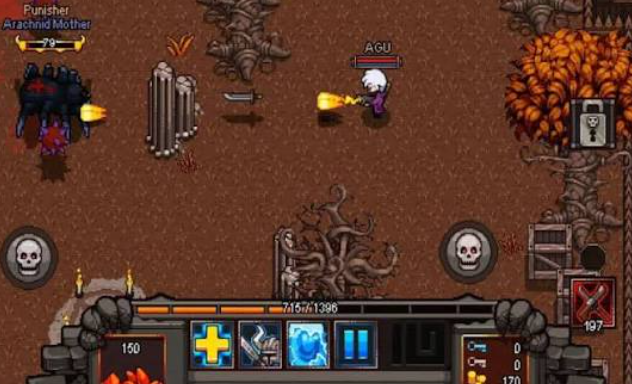
After playing around with the different combat styles, my answer to the Pocket Rogues best class question is the Berserker. It offers the strongest combination of damage, mobility, room-clearing speed, build variety, and late-game potential. That does not mean everyone should immediately abandon the other classes, though. Archer is easier for many beginners, Necromancer can become incredibly safe, and Warrior remains one of the most forgiving choices when your equipment is still weak.
This guide ranks all six classes and explains how to build each one. The ranking considers regular dungeon clearing, bosses, survivability, resource farming, equipment dependence, and how well each class performs after receiving serious long-term investment.
I. Introduction to the Pocket Rogues Best Class Guide
A. How Classes Affect Combat and Dungeon Progression
Pocket Rogues is a real-time action roguelite built around randomly generated dungeon runs, permanent character development, class-specific skills, specialized equipment, and upgrades made through the Guild Fortress. The game currently has six playable classes: Warrior, Archer, Wizard, Berserker, Necromancer, and Hunter.
Your class changes almost every part of a run. It determines your available skill branches, preferred attributes, usable off-hand equipment, attack range, healing options, and how you handle crowded rooms. A Berserker may charge into a group and spin through it, while an Archer circles the same room and attacks from outside enemy range.
Class choice also affects how quickly you can progress with limited resources. Some classes work well with ordinary equipment, while others become impressive only after their skills, Fortress buildings, enchantments, and permanent statistics receive enough upgrades.
B. Why There Is No Perfect Class for Every Player
Berserker may be my strongest overall recommendation, but it is not automatically the most comfortable class. Its aggressive style demands good timing and an understanding of when to retreat. A player who dislikes close combat may perform much better with Archer, Wizard, or Necromancer.
The game also changes dramatically between early and late progression. Necromancer can feel slow and mana-starved at the beginning, then turn into one of the safest farming classes after gaining stronger equipment and upgraded life-draining skills. Wizard experiences a similar transformation when Chain Lightning, Heal, and Magical Shield receive enough investment.
C. Factors to Consider Before Choosing a Character
Before committing resources, consider four questions:
Do you prefer melee or ranged combat?
Are you comfortable dodging constantly?
Do you want immediate strength or long-term scaling?
Are you building for bosses, farming, or deep dungeon runs?
Also consider your current equipment. A class with an upgraded weapon and several useful enchantments may outperform a theoretically stronger class using starter gear.
II. Pocket Rogues Classes Overview
A. Warrior
Warrior is the classic defensive melee class. It can block attacks, wear durable equipment, recover health through selected abilities, and use Shield Throw to damage or stun enemies at range.
Its biggest strength is reliability. Warrior gives you time to learn enemy attacks without dying whenever a monster slips through your defenses. Its weakness is speed. Clearing large groups can feel slower than playing Berserker, Archer, or a well-developed spellcaster.
B. Archer
Archer specializes in ranged physical damage, movement, and kiting. Its Agility-based development supports attack speed and mobility, while skills such as Quick Shot and Elven Shot help it handle both individual enemies and groups.
Archer is easy to understand: keep your distance, fire, reposition, and avoid being surrounded. The class is less forgiving once enemies reach melee range, but strong movement and careful room entry can prevent that from happening.
C. Wizard
Wizard relies on magical attacks, mana, healing, shields, and crowd-control effects. Fireball is useful for early area damage, while Chain Lightning becomes increasingly powerful when it can bounce through crowded rooms.
Wizard can be extremely effective, but it asks the player to manage more systems at once. You need to watch mana, maintain distance, choose the correct spell for each room, and avoid being trapped during a cast.
D. Berserker, Necromancer, and Hunter
Berserker is an aggressive melee damage dealer built around powerful attacks, offensive buffs, and Whirlwind. Necromancer controls enemies with dark magic, summons, seals, and life-draining attacks. Hunter combines melee weapons with crossbow skills, mobility, armor reduction, and execution-style damage.
These unlockable classes are not simply improved versions of the original three. They provide more specialized playstyles and often require additional upgrades before their strengths become obvious.
III. Pocket Rogues Best Class Tier List
| Tier | Classes | Main Reason |
|---|---|---|
| S Tier | Berserker, Archer | Excellent clearing speed, damage, and practical performance |
| A Tier | Necromancer, Warrior, Wizard | Strong classes with specific equipment, skill, or progression requirements |
| B Tier | Hunter | Flexible and powerful, but more build-dependent than the alternatives |
A. S-Tier Classes for Overall Performance
Berserker is my number-one class. Whirlwind provides movement and area damage at the same time, while its offensive buffs allow it to tear through normal floors. The class can also use unusual weapon combinations, giving it more flexibility than its straightforward appearance suggests. Recent player discussions continue to place Berserker among the strongest overall choices, especially after the early setup period.
Archer earns S Tier because it performs well with less investment. It can attack safely, clear normal rooms quickly, and learn bosses without standing directly beside them. Archer may not match a fully developed Berserker’s raw aggression, but its consistency makes it excellent for both beginners and experienced farmers.
B. A-Tier Classes With Strong Specialized Roles
Necromancer is one of the safest mid- and late-game classes. Breath of Death can restore health while dealing damage, Cursed Soul provides strong magical offense, and minions distract enemies during weaker stages of progression.
Warrior is the best defensive specialist. Shield Throw gives it ranged utility, while shield-based abilities reduce the danger of mistakes.
Wizard has excellent crowd control, healing, and magical area damage. It stays in A Tier because it is more sensitive to mana shortages and poor positioning than Archer.
C. B-Tier Classes That Depend on Builds and Player Skill
Hunter is not a bad class. Its problem is that Archer handles straightforward ranged clearing more easily, while Berserker handles aggressive melee combat more efficiently.
Hunter becomes much stronger when you understand how to combine melee weapon enchantments with crossbow attacks, use Victim’s Mark before major attacks, and switch between close and long range. That extra complexity keeps it in B Tier for general recommendations, even though a specialized Hunter build can perform at an A-Tier level.
D. How Updates and Equipment Can Change Class Rankings
Class rankings should never be treated as permanent. The April 2026 update added new class perks to Warrior, Archer, Wizard, Berserker, and Necromancer, while other recent balance changes adjusted skill levels, item effects, defenses, and enchantments.
Equipment can matter even more than a patch. A legendary weapon with the right effects may completely change how a class feels, especially after you begin building around critical damage, vampirism, attack speed, mana recovery, or skill-level bonuses.
IV. How the Pocket Rogues Classes Are Ranked
A. Damage Output and Clearing Speed
Clearing speed measures more than the damage shown on one attack. A useful farming class needs to enter rooms, remove groups, collect loot, and continue without stopping after every fight.
Berserker and Archer perform best here. Berserker moves through enemies with Whirlwind and offensive buffs, while Archer removes threats before they can reach it. Wizard and Necromancer can match them after enough skill investment, but their early clearing is less consistent.
B. Survivability and Healing Potential
Warrior has the easiest defensive toolkit, especially when using a shield-focused setup. Necromancer can become extremely difficult to kill once Breath of Death and its equipment provide reliable recovery.
Wizard has Heal and Magical Shield, while Archer has access to Healing Herbs. Berserker and Hunter often rely more heavily on killing enemies, equipment effects, or aggressive sustain.
C. Mobility and Crowd-Control Abilities
Archer has excellent natural mobility, while Berserker combines movement with offense through Whirlwind. Hunter can reposition quickly with Killer Step and use Victim’s Mark to weaken nearby enemies.
Wizard controls groups through knockback, slowing, stunning, elemental damage, and bouncing attacks. Necromancer uses minions and seals to distract or overwhelm enemies rather than relying only on direct control.
D. Boss Performance and Late-Game Scaling
Berserker is excellent against bosses when the player can circle safely while maintaining Whirlwind or other sustained attacks. Hunter has strong single-target tools but requires more precise timing.
Necromancer becomes a reliable boss killer through life drain and safe ranged damage. Warrior survives boss fights well but may take longer to finish them. Archer performs consistently as long as the arena leaves enough space to kite.
V. Best Pocket Rogues Class for Beginners
A. Easiest Class to Learn
Archer is the easiest class for most new players. Its basic strategy is immediately understandable: shoot enemies, maintain distance, and move before they close the gap.
You can also observe enemy patterns more clearly when you are not standing directly in front of them. That makes Archer useful for learning which monsters charge, shoot, explode, block, or summon support.
B. Safest Class for Early Dungeons
Warrior is the safest early class. It has enough durability to survive positioning mistakes, and shield skills provide protection that lightly equipped ranged classes do not have.
The trade-off is slower progression. You may survive more reliably, but you will spend longer fighting each room and expose yourself to more melee attacks.
C. Best Starting Class for Learning Combat Mechanics
I would begin with Archer if you want smoother progress and Warrior if you want to learn blocking and melee timing. Wizard is a more demanding starting choice because weak spells and limited mana can make early runs feel unnecessarily difficult.
D. Beginner Mistakes When Selecting a Class
Do not choose a class only because someone calls it overpowered. Berserker will not feel overpowered when you have weak armor, no upgraded Whirlwind, and no understanding of enemy attack patterns.
Another mistake is splitting resources between all six classes too early. Test each class, but choose one main character for your largest skill, stat, and equipment investments.
VI. Pocket Rogues Warrior Build and Class Review
A. Warrior Strengths and Weaknesses
Warrior offers high survivability, shield utility, reliable regeneration, and access to both melee and ranged pressure through Shield Throw. It is comfortable in narrow corridors where ranged characters may struggle to create distance.
Its weaknesses are limited mobility and lower clearing speed. A Warrior that becomes surrounded can survive longer than other classes, but surviving does not automatically solve the room.
B. Best Warrior Skills and Ability Combinations
My preferred survival build uses a dependable blade attack, Vow of Sanctity, and Shield Throw. Shield Throw is especially useful because it can strike multiple targets as it improves and has a chance to stun.
Vow of Sanctity provides a useful mixture of sustain and damage, and its higher-level damage was strengthened in a recent balance update. An aggressive Warrior can replace part of the defensive setup with Rumble of the Battle or another damage-oriented option.
C. Recommended Warrior Weapons and Armor
Use a fast one-handed sword with a strong shield while learning. Attack speed makes it easier to hit, block, and move without becoming trapped in a slow animation.
Choose armor that brings you close to the practical defense ceiling without destroying movement speed. After reaching comfortable defense, use remaining equipment slots for health, regeneration, damage, or attack speed.
D. Best Warrior Build for Survival and Melee Damage
A balanced Warrior should prioritize:
One reliable melee attack
Shield Throw for range and control
Vow of Sanctity for sustain
Strong physical defense
Health regeneration
Moderate attack speed
Do not build only defense. A character that takes very little damage but needs several minutes to kill a boss is still vulnerable to one eventually fatal mistake.
VII. Pocket Rogues Archer Build and Class Review
A. Archer Strengths and Weaknesses
Archer has strong range, fast attacks, excellent movement, and simple resource management. It clears open rooms safely and can attack many bosses without entering their most dangerous range.
Its main weakness is low tolerance for mistakes. A fragile Archer may die instantly on deeper floors if an enemy closes the gap or fires from outside the player’s view.
B. Best Archer Skills for Ranged Damage
For general progression, I recommend Quick Shot, Step into Darkness, and Elven Shot or another strong special arrow.
Quick Shot improves consistent damage. Step into Darkness helps with repositioning and escaping dangerous rooms. Elven Shot is useful against groups and can produce excellent close-range burst if several arrows strike the same large target.
For a safer early build, Healing Herbs can replace one damage or mobility skill. At higher levels, Healing Herbs can also affect nearby allies, making it useful in cooperative play.
C. Recommended Archer Weapons and Equipment
Archer is the only class that specializes properly in bows, while Warrior, Hunter, and Berserker can share many melee weapons and Wizard and Necromancer can share magical weapons.
Use a bow with good attack speed, damage, and useful on-hit effects. Emerald Bow is a strong early- and mid-game option, while specialized critical builds can make faster bows more valuable later.
D. Kiting, Healing, and Positioning Strategies
Never retreat blindly into an unexplored room. Fight near a cleared corridor so you always have somewhere safe to move.
Attack diagonally through doorways, allow enemies to form a line, and reposition before they surround your pet. Save Healing Herbs for meaningful damage rather than using it after every small hit.
VIII. Pocket Rogues Wizard Build and Class Review
A. Wizard Strengths and Weaknesses
Wizard combines area damage, control, healing, and defensive magic. Few classes can respond to as many different situations with the correct build.
Its weaknesses are mana dependence, low physical durability, and slower early progression. Wizard becomes far better after its skills reach important upgrade levels.
B. Best Wizard Skills for Area Damage
Fireball is the easiest early-game choice because its splash damage handles ordinary groups well. Chain Lightning becomes the stronger crowd-clearing option after enough investment because it bounces among enemies.
Power Wave and other control spells are useful when you need space rather than pure damage.
C. Fireball, Chain Lightning, and Healing Builds
An early Wizard build can use Fireball, Heal, and Magical Shield. This gives you damage, recovery, and protection without asking you to manage several offensive spells.
Later, replace Fireball with Chain Lightning when its additional effects and bouncing attacks become reliable. Player guides commonly recommend Chain Lightning, Heal, and Magical Shield for safe all-purpose progression.
D. Mana Management and Ranged Combat Tips
Do not empty your mana bar on the first group. Cast enough to control the room, then use movement and basic attacks while mana regenerates.
Fight through narrow entrances whenever possible. Chain Lightning becomes more effective when enemies are grouped, and Magical Shield protects against unexpected projectiles rather than serving as permission to stand still.
IX. Pocket Rogues Berserker Build and Class Review
A. Berserker Strengths and Weaknesses
Berserker offers exceptional melee damage, fast floor clearing, flexible weapons, and strong offensive buffs. It feels powerful because its best abilities encourage constant movement rather than slow defensive play.
The weakness is risk. You must stay close enough to deal damage, and healing tied to aggressive actions becomes less dependable during long boss phases with few smaller enemies.
B. Best Berserker Skills and Whirlwind Build
A strong general build uses Mincer, Battle Madness or Rage, and Whirlwind of Death.
Mincer provides dependable melee damage. Battle Madness strengthens the aggressive playstyle. Whirlwind is the centerpiece because it lets you move while striking enemies around you.
This setup is effective for farming and bosses. During a boss fight, circle around the target rather than spinning directly into its front-facing attacks.
C. Recommended Weapons and Armor
Use a fast main-hand weapon to improve responsiveness. A heavier or higher-damage secondary weapon can support classes or setups that benefit from dual-weapon mechanics.
Prioritize enough defense to survive accidental contact, then build damage, attack speed, movement, critical effects, and life recovery.
D. Maximizing Melee Damage Without Losing Survivability
Do not invest everything into raw damage. Berserker already has excellent offensive scaling, so defensive equipment often provides more practical value.
A dead Berserker deals no damage. Movement speed, armor, health, and recovery allow you to maintain attacks longer, which usually produces better total damage than a fragile glass-cannon setup.
X. Pocket Rogues Necromancer Build and Class Review
A. Necromancer Strengths and Weaknesses
Necromancer provides ranged magical damage, summons, crowd control, and life drain. It can place minions between itself and enemies, turning dangerous rooms into slower and more manageable fights.
The early game is its weakest stage. Low mana, weak summons, and limited skill investment can make progress feel slow.
B. Best Summon and Skeleton Builds
Summon Skeleton is useful early because the skeleton draws attention away from the player. Skeleton Archers become more attractive when you want support that remains behind the front line.
Summons do not scale as strongly as direct damage in extreme late-game content, so treat them as distraction and control tools rather than your only source of damage.
C. Cursed Soul and Breath of Death Strategies
Breath of Death is the safer choice when you need sustained damage and healing. It can restore health while damaging valid targets and becomes more dangerous as the channel continues.
Cursed Soul is stronger when you want explosive ranged damage and area clearing. At higher skill levels, it gains additional projectiles and better area coverage.
D. Using Minions for Crowd Control and Survival
Summon before entering a crowded room, then allow the minion to attract the first attacks. Cast from behind it and reposition before enemies switch targets.
Do not chase a dying summon into danger. Its purpose is to create space for you, not force you into a bad position trying to protect it.
XI. Pocket Rogues Hunter Build and Class Review
A. Hunter Strengths and Weaknesses
Hunter is a hybrid class with melee attacks, crossbow shots, dashes, armor reduction, and execution damage. It has a respectable health pool and can adapt when an enemy makes one combat range unsafe.
Its weakness is efficiency. Hybrid flexibility is useful, but every part of the build needs suitable equipment and skill investment.
B. Best Hunter Skills for Single-Target Damage
Bloodsucker is useful for sustain, while Execution provides a powerful finishing attack against wounded targets. Victim’s Mark reduces enemy defense and prevents health regeneration, making it valuable before a burst-damage sequence.
C. Bloodsucker and Victim’s Mark Builds
A practical boss build uses Bloodsucker, Victim’s Mark, and a focused crossbow or execution skill.
Open with Victim’s Mark, attack from range while the target is dangerous, then move closer for Bloodsucker or Execution when the boss enters a favorable phase.
D. Combining Ranged Attacks With Melee Utility
Hunter’s crossbow attacks can interact with effects from the main-hand melee weapon, creating useful combinations with explosive or other on-kill enchantments.
This is where Hunter becomes interesting. Instead of treating the crossbow as separate from the melee build, choose weapon effects that improve both sides of the class.
XII. Pocket Rogues Best Melee Class
A. Warrior Versus Berserker
Warrior wins in defense, blocking, and mistake tolerance. Berserker wins in damage, mobility, and clearing speed.
If both classes have similarly strong equipment, Berserker completes normal floors faster. Warrior is more comfortable when learning new enemies or fighting undergeared.
B. Damage, Defense, and Healing Comparison
Berserker produces much higher offensive pressure. Warrior prevents more damage and has safer recovery tools.
Berserker’s sustain improves when it can keep killing. Warrior is less dependent on maintaining constant offensive momentum.
C. Best Melee Class for Beginners
Warrior is the better beginner melee class because its shield gives you room to make mistakes. Learn attack patterns, blocking, dodging, and equipment management before switching to Berserker.
D. Best Melee Class for Late-Game Dungeons
Berserker is the better late-game melee class. Once defense, movement, weapon effects, and Whirlwind are developed, it combines survivability with far better farming speed.
XIII. Pocket Rogues Best Ranged Class
A. Archer Versus Wizard Versus Hunter
Archer is the easiest ranged class. Wizard has the best magical area damage and support. Hunter has the most flexible mix of ranged and melee options.
B. Best Ranged Class for Safe Dungeon Clearing
Archer is the safest general recommendation because it does not rely as heavily on mana. Its attacks are fast, predictable, and easy to use while moving.
C. Best Ranged Class for Boss Damage
Hunter can produce excellent single-target damage with Victim’s Mark and Execution, but Archer is more consistent for most players.
Wizard becomes competitive when its spells, mana regeneration, and equipment are highly developed.
D. Best Ranged Class for Crowd Control
Wizard wins crowd control through knockback, status effects, shields, and bouncing magical attacks. Necromancer deserves an honorable mention because minions and seals can disrupt entire rooms.
XIV. Pocket Rogues Best Class for Different Game Modes
A. Best Class for Solo Play
Berserker is the best overall solo class after receiving proper upgrades. Archer is the better low-investment solo choice.
B. Best Class for Boss Battles
Berserker handles bosses quickly when you understand their movement. Necromancer is safer when you prefer sustained damage and healing. Hunter is effective for carefully planned single-target bursts.
C. Best Class for Resource Farming
Archer and Berserker are the top farming choices. Both move through ordinary floors quickly and spend less time dealing with individual enemies.
D. Best Class for Long Dungeon Runs
Necromancer and Warrior are excellent for long runs because they offer reliable survival. Berserker also performs well once equipment supplies enough defense and recovery.
XV. Pocket Rogues Best Class for Early and Late Game
A. Strongest Classes During Early Progression
Archer and Warrior are the best early classes. Archer offers safe damage, while Warrior survives with weak equipment.
B. Classes That Require More Skill or Equipment
Necromancer, Wizard, Berserker, and Hunter all become noticeably better with investment. Necromancer and Wizard need developed spells and mana support. Berserker needs enough survivability to remain in melee range. Hunter needs a coherent hybrid build.
C. Best Late-Game and Endgame Classes
Berserker is the best overall late-game class, while Necromancer is one of the safest. Archer remains excellent for players who value speed and consistency.
Extreme endgame equipment can make every class powerful, so the difference eventually becomes more about clearing style than basic viability.
D. When to Switch or Invest in Another Class
Switch when your current class stops being enjoyable, not simply because one run went badly. Most early deaths come from weak permanent upgrades, poor equipment, or unfamiliar enemies.
Begin serious investment in a second class after your main character can farm the resources needed to support it.
XVI. Pocket Rogues Best Skills and Class Builds
A. Damage-Focused Skill Combinations
Berserker: Mincer, Battle Madness, Whirlwind
Archer: Quick Shot, Step into Darkness, Elven Shot
Hunter: Execution, Victim’s Mark, Crossbow Volley
Wizard: Chain Lightning, offensive secondary spell, Magical Shield
B. Healing and Survival Builds
Warrior: Blade attack, Vow of Sanctity, Shield Throw
Wizard: Fireball or Chain Lightning, Heal, Magical Shield
Necromancer: Breath of Death, summon, defensive seal
Archer: Quick Shot, Healing Herbs, mobility skill
C. Area-of-Effect and Crowd-Control Builds
Wizard and Necromancer dominate this category. Chain Lightning, Cursed Soul, Power Wave, seals, and summons all work well against packed rooms.
Berserker’s Whirlwind is the simpler physical alternative.
D. Single-Target Boss Builds
Hunter’s Victim’s Mark and Execution provide focused burst. Berserker maintains high sustained damage, while Necromancer uses Breath of Death for a safer life-draining approach.
XVII. Pocket Rogues Weapons and Equipment Guide
A. Best Weapons for Each Class
Warrior: fast sword with shield
Archer: fast, high-damage bow
Wizard: staff or wand with mana and magical bonuses
Berserker: fast main-hand weapon with a powerful secondary option
Necromancer: wand or staff with mana recovery or vampirism
Hunter: fast dagger or melee weapon paired with crossbow utility
B. Choosing Armor for Damage or Defense
Reach comfortable defense first. After ordinary enemies stop dealing dangerous damage, add offensive equipment.
Heavy armor is not automatically better if its movement penalty causes you to take more attacks.
C. Important Equipment Bonuses and Enchantments
Look for attack speed, critical chance, critical damage, movement, vampirism, mana recovery, health regeneration, armor penetration, and skill-level bonuses.
Recent versions have expanded enchantment levels and added equipment effects that increase specific skills, making specialized builds more rewarding.
D. Matching Gear With Class Skills
Choose equipment that supports what your skills already do. A Whirlwind Berserker wants movement, damage, and sustain. A Chain Lightning Wizard wants mana, spell levels, and magical damage. A Shield Throw Warrior wants defense without sacrificing all attack speed.
XVIII. Pocket Rogues Stat Allocation and Skill Upgrades
A. Prioritizing Damage, Health, and Mana
Early characters need a balance. Damage speeds up runs, but health prevents one mistake from ending them.
Mana matters most for Wizard and Necromancer. Do not overinvest in mana on classes that rarely exhaust it.
B. Best Stats for Melee Classes
Warrior and Berserker benefit heavily from Strength, health, and defense. Hunter can use Agility while still benefiting from enough health to survive close combat.
C. Best Stats for Ranged and Magic Classes
Archer prioritizes Agility, damage, and movement. Wizard and Necromancer prioritize Intelligence, mana support, magical damage, and enough health to survive unexpected hits.
D. Avoiding Wasted Skill Points and Resources
Do not upgrade all nine class skills equally. Choose one skill from each active branch and build a functional setup first.
Skill resets and later progression give you more freedom, but focused investment produces much better early results.
XIX. Frequently Asked Questions About the Pocket Rogues Best Class
A. What Is the Strongest Class in Pocket Rogues?
Berserker is the strongest overall class for damage, farming speed, mobility, and late-game performance.
B. Which Class Is Best for New Players?
Archer is the easiest general beginner class. Warrior is the safest choice for players who prefer melee combat.
C. Is Necromancer Better Than Wizard?
Necromancer is safer and usually easier for long farming runs after its build comes together. Wizard offers better direct crowd control and more flexible spell combinations. Neither is universally better.
D. Can Every Class Complete Late-Game Content?
Yes. Permanent statistics, Fortress upgrades, skill levels, equipment, perks, artifacts, and player experience eventually matter more than the basic tier placement.
XX. Conclusion: Which Pocket Rogues Class Should You Choose?
A. Best Overall Class Recommendation
My final Pocket Rogues best class recommendation is Berserker. It clears floors quickly, handles bosses well, supports several weapon combinations, and turns Whirlwind into both an offensive and defensive movement tool.
Archer is a close second because it reaches a strong and comfortable state much earlier.
B. Best Choice Based on Preferred Playstyle
Choose Warrior for defense, Archer for safe ranged damage, Wizard for elemental spells, Berserker for aggressive melee combat, Necromancer for summons and life drain, or Hunter for hybrid gameplay.
The strongest class on paper will not help if its combat style feels awkward to you.
C. Building Multiple Classes for Long-Term Progression
Start with one main class and use it to build your Fortress, collect equipment, and farm resources. Once that character becomes dependable, develop a second class with a different strength.
A strong long-term account might use Archer or Berserker for fast farming, Necromancer for safe runs, and Warrior for learning difficult encounters. Building several classes takes time, but it also prevents the game from becoming repetitive and gives you a useful answer whenever future updates change the balance.