King's Raid Characters Tier List: Best Heroes, Classes, PvE, PvP, and Team Guide
One thing I always appreciated about King's Raid was that collecting heroes worked differently from most mobile RPGs. Instead of endlessly pulling characters from a hero gacha and praying for the right unit, the game generally let you work toward the hero you actually wanted. The harder decision came afterward: with such a huge roster, which King's Raid characters were actually worth investing your Unique Weapons, Unique Treasures, Soul Weapons, gold, and countless upgrade materials into?
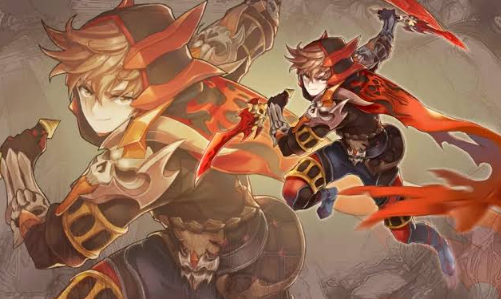
That question became more complicated as the game aged. A hero who dominated early story stages might struggle against endgame bosses, while a seemingly average support could become indispensable once you started World Boss, Guild Conquest, Trials, or high-level PvP. Physical and magical teams also wanted completely different tanks and buffers, so simply copying the highest-ranked characters rarely produced the best team.
There is another important point for anyone reading this guide today. The original King's Raid service shut down on March 15, 2025. However, the game is now being prepared for a return under Masangsoft. A second closed beta was held from April 7 to April 24, 2026, with Android, iOS, and Steam support, and the new version is still officially listed as coming soon. Because its balance is actively being reworked, the tier rankings below focus mainly on the established legacy version rather than pretending the unreleased reboot already has a stable meta.
I. Introduction to King's Raid Characters
A. Overview of the Hero Roster
King's Raid eventually built a roster of more than 100 playable heroes. What made the lineup interesting was that characters were divided not only by class but also by damage type, position, and actual battlefield function.
The seven official classes are Knight, Warrior, Assassin, Archer, Mechanic, Wizard, and Priest. Some heroes deal Physical damage, while others specialize in Magic damage. Even within the same class, two characters can behave completely differently.
Jane, for example, is a Knight built around helping magical teams, while Phillop is much more comfortable supporting physical damage. Fallen Frey is technically a Priest, but calling her simply a healer undersells the shields, protection, and utility that made her so valuable.
B. Why Character Choice Matters in King's Raid
King's Raid rewards specialization.
If your main DPS deals Physical damage, filling the team with heroes that increase Magic damage makes no sense, no matter how highly those supports rank individually. Likewise, a hero built for single-target boss fights might look terrible in stages filled with waves of enemies.
Investment also matters enormously. Unique Weapons can dramatically alter performance, and a heavily developed mid-tier DPS may outperform an untouched meta hero.
That is why I treat tier placement as a starting point rather than an absolute rule.
C. What This Guide Covers
This guide ranks the most useful legacy-era heroes, explains each class and battlefield role, and breaks down good choices for PvE, PvP, tanks, healers, support, and DPS.
I will also cover hero acquisition, Unique Weapons, beginner team building, the evolution of the meta, and what the 2026 King's Raid revival means for old tier lists.
II. What Is King's Raid?
A. Game Background and Release History
King's Raid is a real-time party RPG originally developed by Vespa. The game became widely available internationally in 2017 and built a loyal audience around its 3D heroes, character costumes, story chapters, raids, PvP, and unusually player-friendly hero acquisition system.
Combat uses a party of heroes fighting automatically while the player manages skills and timing. That sounds simple at first, but endgame encounters increasingly demand decisions about crowd control, mana, cleansing, dispelling, defensive skills, and burst windows.
The story follows characters including Kasel, Frey, Roi, and Cleo before expanding into a much larger conflict involving Orvel, demons, ancient powers, and eventually an enormous cast.
B. Current Status of the Game and Community
The original King's Raid service officially ended on March 15, 2025.
That would normally make this a purely historical guide, but King's Raid has received an unusual second chance. Masangsoft is developing a renewed version for mobile and PC. Its second closed beta ran in April 2026, and the team has continued publishing development notes and balance discussions afterward.
As of August 2026, the Steam version is still marked Coming Soon, so there is not yet a finished live-service meta for the relaunch.
This distinction matters. If you see a website calling something the “2026 King's Raid tier list” while ranking old Vespa-era characters without mentioning the reboot, take it with a massive grain of salt.
C. Core Gameplay Loop
The basic loop is straightforward:
Build a party, clear story content, farm gear, obtain Unique Weapons and Unique Treasures, strengthen heroes, and gradually move into harder activities.
Later progression expands into Dragon Raids, World Boss, Guild Raid, Guild Conquest, Tower content, Trials, Arena, and other endgame systems.
The real addiction comes from optimizing one team little by little. A boss that once took five minutes suddenly dies in two because you improved a Unique Weapon, changed a support, or finally understood the proper skill rotation.
III. How the Character Tier List Works
A. Explanation of S+, S, A, B, C, D, and F Tiers
S+ Tier represents exceptional characters that define their role or fit into numerous endgame teams.
S Tier heroes are elite choices but may be slightly more specialized.
A Tier characters are strong and completely viable with the correct team.
B Tier heroes work but usually have stronger alternatives.
C Tier characters are increasingly niche or heavily dependent on investment.
D Tier heroes struggle to justify their cost outside specialized situations.
F Tier represents characters I would not recommend prioritizing on a fresh legacy-style account.
B. Ranking Criteria
I weigh four major factors:
Damage: Can the hero produce competitive boss, sustained, AoE, or burst damage?
Survivability: Can they stay alive without forcing the entire team to babysit them?
Utility: Buffing, cleansing, dispelling, crowd control, amplification, mana support, and healing all matter.
Synergy: Does the hero improve common physical or magical team cores?
C. How Rankings Differ Between PvE and PvP
PvE and PvP rankings should never be identical.
PvE rewards sustained damage, boss amplification, reliable healing, and long-duration buffs.
PvP rewards speed, burst damage, opening crowd control, cleansing, dispels, immunity, and the ability to disrupt the enemy before they establish their rotation.
Leo is a perfect example. His dispel and silence can be brutal in Arena, even if I would rarely prioritize him for a standard boss team.
IV. S+ and S Tier Characters
My overall legacy-era ranking looks roughly like this:
| Tier | King's Raid Characters |
|---|---|
| S+ | Fallen Frey, Estelle, Shakmeh, Pansirone, Gremory, Kirze, Valance, Isaiah |
| S | Loman, Rebel Clause, Morrah, Lorraine, Cecilia, Laudia, Xerah, Lucikiel, Rephy, Lavril, Shea, May, Annette, Scarlet, Cain |
| A | Jane, Phillop, Glenwys, Clause, Chase, Epis, Erze, Mirianne, Roi, Selene, Artemia, Nyx, Pavel, Requina, Priscilla, Dosarta, Juno, Mediana |
| B | Kasel, Theo, Viska, Seria, Aisha, Kara, Nia, Reina, Lakrak, Miruru, Gau, Laias, Frey, Ophelia, Shamilla |
| C | Dimael, Arch, Luna, Rodina, Nicky, Yanne, Lewisia, Kaulah, Demia |
| D/F | Mainly outdated or extremely narrow builds whose investment is difficult to justify over modern alternatives |
A. Top-Performing Heroes Overall
Fallen Frey is one of the easiest S+ placements for me. Her ability to protect a team through enormous shields while also offering useful support made her relevant in an absurd number of compositions.
Estelle is another fantastic account-wide investment. Support characters age better than selfish DPS heroes, and Estelle's ability to contribute to different compositions makes her far more valuable than her personal damage would suggest.
Shakmeh combines the durability expected from a tank with enough utility to justify his slot in difficult content.
For damage, Pansirone became one of the signature physical DPS choices, while Gremory and Kirze give magical teams tremendous offensive potential.
B. Why These Characters Dominate Endgame Content
Top King's Raid characters usually do more than one thing.
A mediocre support might increase ATK. A top support increases damage while solving mana, survivability, cooldown, or boss-specific problems at the same time.
Similarly, a top DPS is not simply the hero with the largest number on one skill. Damage uptime matters. A character that spends half the encounter setting up a giant burst can lose to a supposedly weaker hero who maintains damage continuously.
C. Recommended Teams Built Around Them
A straightforward physical PvE core could look like:
Shakmeh / Pansirone / Estelle / Fallen Frey
For magical PvE:
Morrah / Gremory or Kirze / Estelle / Fallen Frey
Once you move into larger-party boss content, add specialists such as Lavril, Valance, May, Annette, or other amplification supports depending on the encounter.
V. A Tier and Mid-Tier Characters
A. Reliable All-Around Heroes
A-tier heroes are where King's Raid becomes much more interesting.
Jane remains a comfortable magical tank because her kit naturally supports Magic damage. Phillop performs a similar job for physical teams through defensive reduction and frontline utility.
Epis is still a fun Assassin with excellent backline pressure and respectable PvE damage. Erze is better when large groups need to disappear quickly.
Artemia deserves mention as one of the most beginner-friendly AoE Wizards in the game's history. She may not always beat specialized endgame DPS characters, but she is simple, reliable, and excellent for clearing waves.
B. Situational Strengths and Weaknesses
A hero can move an entire tier depending on content.
Roi can produce excellent single-target physical damage when heavily invested but offers less flexibility against wave-heavy stages.
Nyx becomes much more attractive when you need broad physical AoE or certain PvP strategies.
Requina provides disruption that can be far more irritating in Arena than her generic PvE ranking suggests.
C. When Mid-Tier Picks Outperform Top-Tier Ones
Boss mechanics always beat tier labels.
If an encounter demands reliable crowd-control bar destruction, a specialized hero like Gau can suddenly become more useful than a nominally S-tier damage dealer.
If a PvP opponent relies heavily on buffs, dispel immediately gains value.
King's Raid is full of these situations, which is why copying a four-character “best team” rarely carries an account through every activity.
VI. Lower-Tier Characters
A. Heroes That Fall Short in Most Content
Most lower-tier heroes are not fundamentally unusable. Their biggest problem is opportunity cost.
A character such as Yanne was designed heavily around dragon-related combat. That specialization gives her flavor, but it also means I would not choose her as my first general-purpose Archer.
Older characters like Rodina, Dimael, or certain launch-era damage dealers can also feel increasingly awkward compared with heroes whose later kits contain more damage amplification and utility.
B. Niche Situations Where They Remain Useful
Lower-tier heroes can survive through specialization.
A dedicated dragon killer may be worthwhile if that is exactly what you are farming. A PvP character with one unusual mechanic can counter a specific team even if their overall usage rate is low.
This is especially true once your account is mature enough to build characters for one job instead of expecting every investment to work everywhere.
C. Characters Best Avoided by New Players
As a beginner, avoid pouring your rarest resources into highly specialized heroes.
Your first heavily developed DPS should clear Story, raids, farming stages, and several progression modes. Your first support should work with multiple teams.
You can build niche favorites later when your core roster is established.
VII. Character Classes Overview
King's Raid actually has seven classes. The six most commonly discussed combat archetypes in the outline are joined by the Mechanic class, which is too important to leave out.
A. Knight Class
Knights are your traditional frontline tanks.
Notable examples include Shakmeh, Loman, Morrah, Jane, Phillop, Glenwys, Clause, and Dosarta.
Do not choose a Knight based only on durability. Choose one that supports your damage type.
B. Warrior Class
Warriors sit between tanks and pure DPS heroes. Some behave like bruisers, while others are legitimate primary damage dealers.
Examples include Kasel, Chase, Theo, Scarlet, Priscilla, Gau, and Viska.
They often have better survivability than Assassins while maintaining strong offensive pressure.
C. Wizard Class
Wizards primarily specialize in magical damage, crowd control, or support.
Kirze, Gremory, Lorraine, Artemia, Xerah, Pavel, Nyx, and Aisha all approach the class differently.
Lorraine is especially good when crowd control and AoE are more important than pure single-target damage.
D. Archer Class
Archers are ranged damage dealers that frequently specialize in sustained DPS, boss damage, or disruption.
Examples include Selene, Requina, Arch, Yanne, Luna, and Zafir.
E. Priest Class
Priests are not just healers.
Fallen Frey, Rephy, Lavril, Shea, May, Juno, Mediana, Laias, and the original Frey all offer different combinations of healing, buffs, cleansing, protection, and offensive amplification.
F. Assassin Class
Assassins usually specialize in aggressive melee damage or reaching vulnerable targets.
Epis, Mirianne, Roi, Ezekiel, Nia, Reina, Laudia, and Fluss are recognizable examples.
And then there is the seventh class, Mechanic, containing major heroes such as Pansirone, Cecilia, Annette, Crow, Kara, Lakrak, Miruru, and Valance. Mechanic characters cover everything from main DPS to some of the strongest technical supports in the game.
VIII. Character Roles Explained
A. Main DPS and Sub DPS
Your main DPS receives the largest share of your offensive resources.
That usually means prioritizing their Unique Weapon, Soul Weapon, relevant Unique Treasure, gear lines, and team buffs.
A sub DPS contributes damage while bringing additional utility or covering situations where the main attacker struggles.
B. Tank and Support
A tank controls the frontline while reducing incoming damage or amplifying the team's output.
A support improves the main DPS through ATK, Crit, penetration, cooldown, mana, damage amplification, or defensive effects.
Support investment is often more account-efficient because one strong support can serve multiple DPS characters.
C. Healer, Debuffer, Breaker, Dispeller, and Cleanser Roles
Healers restore HP.
Debuffers weaken the enemy through defense reduction, increased damage taken, attack reduction, or similar effects.
Breakers excel at reducing crowd-control or break gauges during boss encounters.
Dispellers remove beneficial effects from enemies.
Cleansers remove harmful effects from allies.
One hero may handle two or three of these jobs simultaneously, which is usually what pushes them toward the top tiers.
IX. Best Characters for PvE Content
A. Top Heroes for Trials and Tower
For difficult progression and Tower-style content, I value Lorraine, Kirze, Gremory, Pansirone, Artemia, Estelle, Fallen Frey, and Shakmeh.
Lorraine's crowd control is especially useful when enemy waves are more dangerous than the actual boss.
Pansirone and Artemia provide much faster wave clearing when raw AoE is the problem.
B. Top Heroes for Boss Dungeons and World Bosses
Boss content favors specialized damage amplification.
Strong choices include:
Pansirone – Physical DPS
Gremory – Magic DPS
Kirze – Magic sustained damage
Laudia – Powerful magical single-target potential
Cecilia – Strong physical boss damage
Rebel Clause – Flexible offensive value
Lavril – Offensive support
Estelle – Versatile support
Valance – Excellent technical support
Fallen Frey – Protection and utility
C. Building a Balanced PvE Team
My default four-character PvE structure is:
Tank + Main DPS + Offensive Support + Healer/Support
Avoid using two tanks unless the encounter genuinely requires it.
Likewise, running three healers might make you immortal, but you will eventually hit a timer because nobody is actually killing the boss.
X. Best Characters for PvP
A. Top Heroes for Arena Battles
PvP standouts historically include characters such as:
Loman
Shakmeh
Cain
Scarlet
Rephy
Leo
Dosarta
Pavel
Miruru
Requina
Mirianne
Ezekiel
Fallen Frey
The exact ranking depends heavily on team archetype.
B. Burst Damage and Crowd Control Considerations
PvP fights often end before slow PvE strategies can start working.
Opening mana, attack speed, initial crowd control, burst targeting, dispel, and cleansing therefore become extremely important.
Mirianne can threaten vulnerable targets quickly, while characters such as Pavel and Miruru bring disruptive pressure.
C. Countering Common PvP Team Compositions
Against heavy crowd control, bring cleansing or immunity.
Against buff-heavy teams, prioritize dispel.
Against burst teams, shields and defensive opening skills become more important.
Against extremely defensive teams, you need enough sustained damage or amplification to prevent the match from becoming an endless wall.
Good PvP players build counters rather than worshipping one tier list.
XI. Best Tank Characters
A. Top Survivability-Focused Heroes
Shakmeh is my most complete general tank pick.
Loman is excellent for physical teams and PvP.
Morrah remains extremely useful for many magical compositions.
Jane offers an accessible magical-team tank.
Phillop is a dependable physical option.
B. Damage Mitigation and Aggro Management
Tanks need more than HP.
Block, defense, resistance, damage reduction, shields, healing received, and encounter-specific protection all determine whether your frontline survives.
A tank that lives forever but contributes nothing to the team can also become an offensive liability in timed content.
C. Pairing Tanks With Healers and Support
Fallen Frey pairs beautifully with aggressive tanks because her shields reduce pressure on the entire group.
Rephy is great when cleansing becomes important.
May, Shea, Estelle, and Lavril are better when the team already survives comfortably and needs additional offensive performance.
XII. Best Support and Healer Characters
A. Top Healing and Buffing Heroes
My top legacy support group includes:
Fallen Frey
Estelle
Valance
Lavril
Shea
May
Annette
Rephy
Fallen Frey is the easiest general recommendation.
Estelle is fantastic when you want more offensive utility.
Lavril is a classic damage-enabling support for boss teams.
B. Cleansing and Dispelling Utility
Rephy is one of my favorite answers to heavy debuff pressure because cleansing can completely change difficult fights.
Juno also offers useful utility, while Leo became famous largely because dispelling enemy buffs in PvP can destroy an opponent's opening strategy.
C. Balancing Support With Damage Output
Once your team survives consistently, stop adding defense.
This sounds obvious, but it is one of the most common progression traps.
If Fallen Frey alone keeps everyone alive, your fourth slot probably does not need another pure healer. Bring Estelle, Lavril, Valance, or another offensive support instead.
XIII. Best DPS Characters
A. Top Single-Target Damage Dealers
For concentrated boss damage, I would look at heroes such as:
Pansirone
Gremory
Laudia
Cecilia
Roi
Reina
Kirze
Their performance changes dramatically with Unique Weapon investment and the boss being fought.
B. Top AoE Damage Dealers
For clearing waves, standout names include:
Pansirone
Artemia
Erze
Lorraine
Nyx
Gremory
Artemia is particularly comfortable for general progression because her kit naturally handles multiple targets.
C. Burst Versus Sustained Damage Comparisons
Burst DPS dumps enormous damage into short windows.
Sustained DPS maintains pressure throughout a longer encounter.
PvP often prefers burst because killing one enemy immediately creates a huge numbers advantage. World Boss and long PvE encounters can reward sustained damage much more heavily.
Always build for the duration of the fight.
XIV. Team Building and Synergy
A. Core Team Composition Principles
The first rule is simple: decide whether your main DPS is Physical or Magic.
Then build around that decision.
For Physical damage:
Physical tank + Physical DPS + Physical amplification/support + sustain
For Magic damage:
Magic tank + Magic DPS + Magic amplification/support + sustain
Mixed teams can work, but they usually waste amplification once you reach serious endgame optimization.
B. Matching Roles to Content Type
Story wants consistency.
Bosses want single-target damage and amplification.
Tower content often values AoE and crowd control.
PvP wants speed, disruption, cleansing, and burst.
World Boss wants larger networks of buffers, debuffers, and multiple damage dealers.
There is no genuine universal team.
C. Common Team-Building Mistakes
The biggest mistake is mixing physical and magical supports without understanding what they actually buff.
The second is building too many DPS heroes at once.
The third is ignoring Unique Weapons.
And the fourth is assuming five highly ranked characters automatically have synergy.
A coherent A-tier team will routinely outperform four random S-tier heroes.
XV. Character Progression Systems
A. Hero Tickets and Acquisition Methods
One of King's Raid's best features was that heroes themselves were not primarily locked behind random character gacha.
Players could obtain heroes through selector tickets, story rewards, direct Ruby purchases, events, NPC systems, and the Hero's Inn.
At the Inn, you could repeatedly interact with a visiting hero, raise your relationship over time, and eventually recruit that character without spending the Rubies required for immediate acquisition.
That system made planning your roster much easier than in gachas where months of saving can disappear without pulling the desired character.
The upcoming Masangsoft version has also publicly emphasized the idea of choosing heroes rather than relying on random hero pulls, although final release systems can still change.
B. Unique Weapon System
Unique Weapons are where the real long-term investment begins.
Every hero has a dedicated weapon designed specifically for them. It provides unique effects that can significantly increase damage, utility, or survivability.
That means asking “Who is stronger at zero investment?” is often less useful than asking “Whose Unique Weapon is worth developing?”
For a new account, concentrate Unique Weapon resources on your main DPS first instead of spreading upgrades across ten heroes.
C. Friendship and Bonding Mechanics
The Hero's Inn tied character acquisition to relationships.
Players could greet heroes, talk to them, give gifts, spend Friendship-related resources, and gradually increase the relationship meter until recruitment became available.
It was slower than spending Rubies, but it fit King's Raid's character-focused identity surprisingly well.
The 2026 reboot development has continued discussing Inn and Affinity-style systems, suggesting that character bonding remains part of the game's planned identity.
XVI. Best Characters for Beginners
A. Easiest Heroes to Build Early
For the legacy game, beginner-friendly characters include:
Clause – Free, straightforward tank.
Frey – Free early healer with useful protection.
Artemia – Excellent general AoE DPS if available.
Pansirone – Great long-term physical damage investment.
Jane – Simple magical tank.
Phillop – Reliable physical tank.
Estelle – Excellent flexible support.
Fallen Frey – Premium long-term support if obtainable.
B. Recommended Starting Team Compositions
For a physical team:
Clause or Phillop + Pansirone + Estelle + Fallen Frey
For a magical team:
Jane or Morrah + Artemia/Kirze + Estelle + Fallen Frey
For the earliest story chapters, even the original team of Kasel, Frey, Cleo, Roi, and Clause provides enough tools to learn the system before specializing.
C. Common Beginner Mistakes to Avoid
Do not develop every hero equally.
Do not choose a tank before deciding whether your team is Physical or Magic.
Do not burn premium resources on random equipment.
Do not ignore supports because their personal DPS looks low.
Most importantly, do not compare your unfinished hero with somebody else's fully awakened Unique Weapon build. King's Raid characters scale enormously with investment.
XVII. How the Meta Has Evolved Over Time
A. Early Tier List Trends
Early King's Raid tier lists praised heroes such as Clause, Frey, Artemia, Annette, Jane, Nyx, Epis, and Rephy.
Their kits were effective, the roster was smaller, and endgame requirements were much simpler.
As more heroes arrived, specialization became increasingly important.
B. Balance Changes and Character Reworks
Power creep gradually introduced characters with stronger multipurpose kits. Fallen Frey is a perfect example: compared with simpler early Priests, she offered protection on a completely different level.
New progression systems also changed rankings. Unique Treasures, Soul Weapons, Transcendence improvements, and later balancing meant a hero's strength could change dramatically without the base character being replaced.
The original game's controversial late balance changes further complicated older rankings.
Now the Masangsoft revival is changing heroes again. During the 2026 closed-beta process, the developers publicly discussed adjustments to characters such as Frey, Reina, Morrah, Clause, Jane, and Kaulah.
That means old rankings cannot simply be copied into the new game.
C. Community Consensus Versus Official Rankings
There was never an official King's Raid tier list.
Tier lists came from players testing damage, pushing Arena, competing in World Boss, experimenting with raids, and comparing results.
Even community consensus should be treated carefully because investment levels can completely change the answer.
One player's “bad” hero may be another player's fully optimized carry.
XVIII. Frequently Asked Questions About King's Raid Characters
A. Who Are the Strongest Characters Overall?
For the mature legacy game, Fallen Frey, Estelle, Shakmeh, Pansirone, Gremory, Kirze, Valance, and Isaiah are among the characters I would place highest for overall value.
That does not mean they are all the best DPS characters. Their ranking reflects how much they contribute to winning difficult content.
B. Which Characters Are Best for Beginners?
Clause remains a good early tank, while Frey provides easy early sustain.
If you are choosing longer-term investments, prioritize a strong main DPS such as Pansirone or a suitable magical carry, followed by versatile supports such as Estelle and Fallen Frey.
Above all, choose one damage type and develop one coherent team first.
C. How Often Are Tier Lists Updated?
For the original King's Raid, the final live-service meta stopped changing when that service ended on March 15, 2025.
For the new Masangsoft version, tier lists should currently be treated as temporary. The second CBT ran from April 7 through April 24, 2026, and the developers have continued discussing hero rebalancing afterward. Until the new version officially launches and receives enough real endgame testing, there is no trustworthy permanent 2026 tier list.
The biggest lesson I learned from building King's Raid characters is that individual tier placement matters far less than synergy. You can own an incredible DPS hero and still struggle because the tank amplifies the wrong damage type, your healer provides no useful offensive support, or you have no answer to the boss's crowd control.
For the legacy game, heroes such as Fallen Frey, Estelle, Shakmeh, Pansirone, Gremory, Kirze, Valance, and Isaiah represent some of the strongest overall investments, while characters such as Loman, Morrah, Jane, Phillop, Lavril, Rephy, Annette, Cecilia, Laudia, Artemia, and Erze remain extremely useful when placed in the right team.
I would still recommend beginners follow one simple strategy: pick one main DPS, decide whether that hero deals Physical or Magic damage, find a tank that supports the same damage type, and surround the carry with heroes that amplify damage while providing enough healing and protection to survive. Upgrade that core before trying to build half the roster.
King's Raid also deserves credit for letting players deliberately pursue heroes instead of putting every character behind random pulls. The Hero's Inn, selector tickets, direct acquisition, Unique Weapons, and character-focused progression gave the roster a sense of ownership that many gachas never managed to reproduce.
And surprisingly, the story of King's Raid is not finished. The original servers are gone, but Masangsoft's new version has already reached multiple closed-beta tests and is planned for Android, iOS, and Steam. That makes 2026 a strange but exciting time to revisit the roster. Just remember that the returning game's balance is being rebuilt, so the heroes that ruled the old King's Raid may have to earn their places at the top all over again.