Hired Heroes Medieval Warfare Classes Guide: Best Units, Squad Builds, Rarities, and Progression Tip
The first lesson I learned in Hired Heroes: Medieval Warfare was that a mercenary’s color does not automatically make that unit suitable for every fight. I once filled most of my squad with the rarest fighters I could recruit, assumed the higher numbers would carry me, and then watched the whole group get trapped in a narrow section of the battlefield. My expensive melee units could not reach their targets, my ranged fighters had poor shooting angles, and I had nobody capable of stabilizing the formation.
That experience explains why understanding Hired Heroes Medieval Warfare classes matters more than simply chasing legendary recruits. Every class has a different attack range, movement pattern, equipment preference, and tactical purpose. Swordsmen can protect vulnerable allies, Berserkers can break open a weak flank, Archers can pressure enemies from safety, and support-oriented units can keep a squad alive through fights that raw damage alone cannot solve.
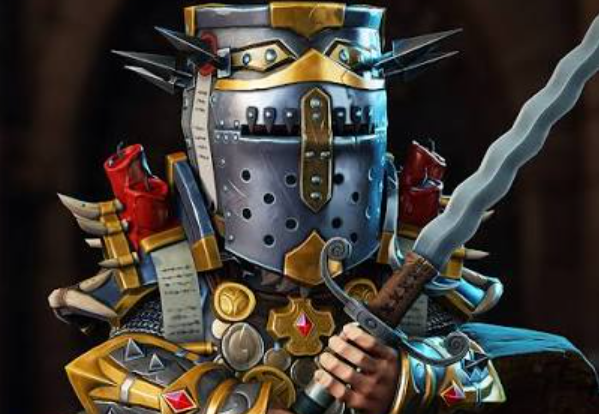
Hired Heroes: Medieval Warfare is a tactical mobile MMORPG in which players recruit mercenaries, equip them, train them, gather resources, craft items, trade, and compete over territory. Battles use turn-based positioning rather than automatic formation combat, so the units you bring—and where you place them—directly influence the result. The game’s confirmed roster includes classes such as Swordsman, Archer, Crossbowman, Berserker, Assassin, Brute, Spearman, and Monk, although some translated guides use different names for the same roles.
I. Introduction to Hired Heroes: Medieval Warfare
A. What Is Hired Heroes?
Hired Heroes: Medieval Warfare is a strategy RPG and MMORPG developed by Azur Interactive Games Limited. Instead of controlling one permanent hero, you manage a growing company of hired fighters.
The game takes place in and around the troubled kingdom of Renfolk, where mercenary companies compete for reputation, resources, settlements, and influence. You explore the world map, complete story missions, recruit units from settlements, equip each fighter, and participate in tactical battles.
The economic side is just as important as combat. Equipment crafting, resource collection, trading, healing, and squad upkeep all affect how quickly your company grows. A powerful fighter who is injured, poorly equipped, or placed in the wrong formation can become a burden instead of an advantage.
B. Why Class Selection Matters in 2026
Class selection matters because recent systems have continued adding more variables to combat. The official game page has referenced changes involving Fortitude and an early version of a morale system, meaning squad stability is becoming more important alongside ordinary attack and defense values.
A squad built only around damage may look impressive on the recruitment screen, but it can collapse when enemies surround the frontline or force ranged units into close combat. Likewise, an overly defensive squad may survive for a long time without having enough damage to finish objectives efficiently.
The best 2026 approach is to recruit by role. Ask what the squad is missing before looking at rarity. You may need a durable blocker, a mobile flanker, a ranged finisher, or a support unit more urgently than another legendary melee fighter.
C. Overview of the Tactical MMORPG Experience
The game combines several layers of progression. Tactical battles determine whether your squad wins immediate encounters. Character development improves individual mercenaries. Equipment management changes how those mercenaries perform, while economic and territorial systems determine whether your company can continue operating.
This is not a game where one perfect team clears everything forever. Terrain, enemy composition, mission objectives, and available movement spaces can all favor different classes.
The most successful players keep a core squad for ordinary missions and a wider bench of specialist units for difficult encounters.
II. Core Mercenary Class Types
A. Swordsman, Archer, and Crossbowman
The Swordsman is the most dependable traditional frontline unit. This class is usually easier to understand than specialized melee classes because it offers a reasonable mixture of survivability and close-range damage.
I use Swordsmen to hold pathways, protect ranged allies, and occupy enemies that would otherwise reach the backline. They are not always the hardest hitters, but a properly equipped Swordsman gives the squad structure.
Archers provide consistent ranged pressure. Their main advantage is the ability to damage an enemy before that enemy reaches melee range. They perform best when positioned behind durable allies and given open lines of sight.
Crossbowmen also attack from range, but they tend to feel more deliberate and specialized. Their attacks may provide stronger immediate impact, while Archers are often easier to fit into a flexible formation. Crossbowmen are not normally available at the very beginning, so players may need to progress before recruiting them.
B. Berserker, Assassin, and Brute Roles
The Berserker is an aggressive close-range fighter. I bring Berserkers when I need to pressure a weak flank or finish enemies quickly rather than maintain a long defensive line.
Their weakness is exposure. A Berserker sent too far ahead can become surrounded and eliminated before the rest of the squad arrives. Pairing one with a Swordsman or Spearman makes the advance more controlled.
Assassins specialize in reaching valuable targets. Their ideal opponents are isolated ranged units, weakened enemies, or vulnerable support characters. They are less effective when forced to attack a heavily armored frontline directly.
Brutes are heavy melee fighters designed to create pressure through durability and force. They can occupy space, punish enemies at close range, and help break defensive formations. Their larger commitment to melee makes positioning especially important.
C. Spearmen, Kopjack, and Bulldozer Units
The confirmed English class name is Spearman. The word “Kopjack” appears to come from inconsistent translations or transliterations of terms associated with spear units. It should not be treated as a clearly separate official class without checking the current in-game localization.
Spearmen are valuable because they sit between a basic tank and a control-oriented melee fighter. They can protect routes, threaten enemies approaching the backline, and support a defensive formation without standing directly beside every ally.
“Bulldozer” is similarly used in some community descriptions for a heavy unit that pushes through formations. In the confirmed roster, that role is generally closer to the Brute.
The practical lesson is to judge the unit by its skills and equipment permissions rather than relying only on translated class names.
D. Warrior and Craftsman Class Breakdown
Warrior, Bandit, and Craftsman are starting-character choices rather than ordinary mercenary rarity categories. Community documentation indicates that the choice mainly changes the starting squad, player-character image, and the identity used during story scenes.
The Warrior is the easiest choice to understand. It fits naturally into a direct combat-focused opening and gives the story protagonist a traditional military identity.
The Bandit suits players who prefer a rougher mercenary theme. The Craftsman connects more naturally to the game’s economic and equipment-focused side.
Do not overthink this decision as though it permanently locks every future class. You can recruit additional mercenary types later. The main permanent effect is how your central character is presented in the storyline.
III. Starting Unit and Main Character Choice
A. How the Starting Class Affects the Early Game
The starting choice affects which units you receive first. That changes the first few battles because you must build tactics around the tools immediately available.
A durable opening squad gives beginners more room to make positioning mistakes. A more aggressive squad may clear early fights quickly but punish poor movement more severely.
Since later recruitment expands the roster, the starting class matters most during the opening chapters rather than defining the entire account.
B. Best Starting Units for New Players
For most beginners, I recommend a starting group with at least one dependable melee defender and one ranged unit.
A frontline fighter prevents enemies from immediately reaching fragile allies. An Archer lets you deal damage without exposing every unit to retaliation.
Avoid beginning with too many specialized attackers. A squad of fragile damage dealers may win easy battles quickly, but it teaches bad habits because there is no recovery plan when the initial attack fails.
C. Main Character Storyline Integration
Your selected starting identity remains the main character used in story scenes. Choosing the Craftsman means the Craftsman represents you during the campaign, while choosing the Warrior keeps the Warrior as the narrative protagonist.
This makes the decision more noticeable than an ordinary starter bonus. You will continue seeing that character during dialogue and story progression.
Choose the identity you enjoy looking at and role-playing, not only the one that appears strongest during the tutorial.
D. Class-Specific Starting Bonuses
The biggest confirmed difference lies in the initial squad and presentation. Players should be cautious about guides claiming large hidden statistical bonuses unless those bonuses are displayed in the current version.
Early advantages can also disappear quickly once you begin recruiting stronger mercenaries.
A good starter helps you reach that point comfortably, but long-term success depends far more on equipment, rarity, skill development, and squad composition.
IV. Unit Rarity and Power Tiers
A. Gray Common to Orange Legendary Units
Mercenaries use a five-color rarity system:
Gray represents Common.
Green represents Uncommon.
Blue represents Rare.
Purple represents Epic.
Orange represents Legendary.
Epic and Legendary mercenaries are tied more closely to particular settlements, while lower-rarity units can appear more broadly.
A Legendary unit normally has stronger long-term potential, but rarity does not erase class weaknesses. An orange Archer is still vulnerable when trapped in melee.
B. Green Uncommon and Blue Rare Classifications
Green mercenaries are useful during early progression because they are easier to acquire and replace. A well-equipped green Swordsman can still carry the frontline through a large portion of the opening game.
Blue units offer a stronger middle ground. They are usually easier to develop than the rarest recruits while providing enough power for story progression and routine challenges.
Do not dismiss them simply because purple and orange exist. A balanced blue squad is often more useful than one legendary unit surrounded by undeveloped common fighters.
C. Purple Epic and Gold Tier Mercenaries
Purple represents Epic mercenaries. These fighters are powerful enough to become long-term members of a squad, especially when their abilities support your preferred strategy.
Gold is not part of the confirmed mercenary rarity ladder. The confusion comes from equipment, where gold can represent a Mythic tier above orange Legendary gear. Community documentation separates the mercenary and equipment color systems clearly.
Therefore, an “orange legendary mercenary” and a “gold mythic weapon” are valid descriptions, while a “gold-tier mercenary” is generally inaccurate.
D. Understanding Power Gradation
Higher rarity usually provides better growth or stronger ability combinations, but overall power also depends on level, skills, equipment, injuries, and battlefield suitability.
I compare units by asking three questions:
Does the class fill a role I need? Can I afford to develop it? Does its ability set improve the squad rather than duplicate another unit?
Rarity should break a tie between two suitable recruits. It should not be the only reason for hiring someone.
V. Combat Roles and Abilities
A. Tactical Turn-Based Battles
Battles take place on tactical maps containing movement spaces, obstacles, and different engagement ranges. Players position mercenaries and choose actions rather than watching the squad fight automatically.
Every class normally has standard class abilities alongside additional skills that can differ between mercenaries of the same class. This means two Archers may perform similar basic roles while still supporting different builds.
Winning requires reading the battlefield before moving. A unit that uses all its movement to reach an enemy may end its turn exposed to several attacks.
B. Unique Class Abilities and Synergies
Class abilities create the squad’s basic identity, while individual skills add variation.
A defensive melee class may hold an enemy in place, allowing an Archer to attack safely. An Assassin may finish a target weakened by Crossbowman fire. A Monk may restore or support allies while Brutes occupy the frontline.
Look for combinations in which one unit creates an opportunity and another unit exploits it. That is more reliable than selecting five characters who all perform the same attack.
C. Ranged vs. Melee Strategies
Melee classes control space. They block routes, protect allies, surround enemies, and prevent hostile fighters from moving freely.
Ranged classes punish enemies from safer positions, but they depend on the frontline to preserve those positions. When an enemy closes the distance, ranged units lose much of their advantage.
A balanced squad generally needs both. Pure melee squads struggle to approach protected shooters, while pure ranged squads collapse when fast enemies reach them.
D. Heavy Armor and Light Infantry
Heavy armor works best on units expected to receive repeated attacks. Swordsmen, Brutes, and other frontline fighters benefit from survivability because their position naturally attracts enemy attention.
Light units need mobility more than raw armor. Assassins and some ranged characters should avoid direct exchanges rather than attempt to survive them.
Do not distribute your best armor evenly. Give it to the mercenaries whose battlefield role creates the highest chance of being attacked.
VI. Squad Composition and Team Building
A. Best Squad Composition Tips
A reliable general-purpose squad should include a frontline defender, a second melee unit, one or two ranged attackers, and a flexible final slot.
The flexible slot can hold a Monk, Assassin, Spearman, or another damage dealer depending on the mission.
This structure gives the squad enough durability to survive unexpected situations without sacrificing the damage needed to finish battles.
B. Frontline Tanks and Backline Damage
Place the toughest unit where enemies are most likely to engage. Do not automatically place every melee fighter at the front edge of the deployment zone.
Sometimes the correct move is to begin farther back, force enemies to approach, and then attack after they enter your ranged units’ effective area.
Keep Archers and Crossbowmen behind cover or friendly melee units whenever possible. A backline attacker should spend turns dealing damage, not escaping from enemies.
C. Support Unit Integration
The Monk is the confirmed support-oriented class and becomes available after early progression rather than immediately. Community descriptions identify it as a class focused on healing and combat-spirit support.
A support unit is most valuable in longer fights. It may contribute less direct damage than another attacker, but keeping a developed Berserker or Brute alive can produce more total value.
Do not position the Monk so far behind that its abilities cannot reach the frontline. Support range should influence the entire formation.
D. Multi-Class Squad Tactics
A strong multi-class formation could use a Swordsman to anchor the center, a Spearman to defend one side, an Archer and Crossbowman to create ranged pressure, and an Assassin or Monk in the final slot.
Against fragile enemies, replace support with another attacker. Against a heavily armored group, use units capable of sustained damage or attacks designed to challenge defense.
The best squad is not one fixed list. It is a flexible framework that can be adapted without rebuilding the whole account.
VII. Squad Customization and Adaptation
A. Weapon and Armor Selection
Equipment must match the mercenary’s class and role. A frontline unit needs protection and a weapon it can use consistently in close combat.
Ranged characters need equipment that improves their ability to deal damage before enemies approach. Support characters benefit more from staying active than from chasing the highest attack number.
Check newly acquired equipment after every major mission. Old gear can remain equipped long after a better replacement becomes available.
B. Optimal Combat Adaptation
Before starting a difficult battle, inspect the enemy composition. Count the opposing melee units, ranged threats, and potential flankers.
If enemies rely heavily on ranged attacks, bring mobile units capable of closing the distance. If the opponent has several heavy melee fighters, create space and attack from range.
Adaptation begins before deployment. Once the wrong squad enters the battle, even perfect positioning may not solve the matchup.
C. Countering Enemy Compositions
Against melee-heavy squads, spread your frontline enough to avoid being surrounded and use ranged attacks to weaken enemies before contact.
Against ranged-heavy squads, advance behind durable units and use terrain to reduce incoming fire. Assassins become especially valuable when they can approach safely.
Against balanced squads, focus fire on one target at a time. Removing an enemy completely is usually better than damaging several units without reducing the opponent’s available actions.
D. Balanced Team Roles
Each squad member should have a clear job. If you cannot explain why a unit is present, that slot may be better used by another class.
Avoid filling every role with the rarest possible unit before you can support the upgrade costs.
A balanced team with consistent equipment and levels is easier to manage than a group containing one overdeveloped legend and several neglected recruits.
VIII. Progression and Training Systems
A. Training Mercenaries Effectively
Mercenaries become stronger through experience, levels, equipment, and advanced skill development.
Focus on a core group first. Spreading resources across every recruit slows progression and leaves the entire roster underpowered.
Maintain several reserve specialists, but direct most early training materials toward the five or six units you use regularly.
B. Levels and Advanced Skills
Leveling improves basic statistics such as health, attack, defense, and overall power. The upgrade interface allows players to compare current statistics with the expected values after leveling.
When mercenaries reach their normal limit and continue developing, advanced skills can become available, adding another tactical layer to the class.
This means a familiar lower-rarity unit with developed skills may temporarily outperform a newly recruited legendary fighter.
C. Unlocking New Classes
Not every class appears at the start. Assassin, Crossbowman, Brute, and Monk units become available later than basic classes such as Swordsman or Archer.
Progress the story, increase reputation, and visit additional settlements to expand recruitment options.
Do not waste time refreshing the same early settlement while searching for a class that cannot appear there.
D. Equipment and Weapon Upgrades
Equipment follows its own rarity system, extending from gray Common through gold Mythic. Enhanced items and equipment with special effects can also display improved characteristics or distinctive borders.
Upgrade weapons for primary damage dealers and armor for frontline units first.
A small increase placed on the correct mercenary produces more value than upgrading an item simply because it has the highest rarity.
IX. Stat Allocation and Resource Management
A. Stat Priorities by Class
Swordsmen and Brutes benefit from health, defense, Fortitude, and reliable melee output.
Berserkers need enough survivability to remain active after engaging, followed by offensive statistics.
Archers and Crossbowmen should prioritize ranged damage and statistics supporting accuracy or attack effectiveness.
Assassins need mobility, burst damage, and the ability to survive after reaching the backline. Monks need enough protection to continue supporting the squad.
B. Gold Farming and Resources
Complete story objectives, repeat manageable combat tasks, gather resources, trade, and participate in daily activities.
The fastest-looking mission is not always the best farming route. Injuries and repair costs can erase the value of a reward.
Choose activities your squad can complete reliably without requiring expensive recovery afterward.
C. Avoiding Early Class Pitfalls
Do not hire every mercenary you see. Recruitment, training, healing, and equipment consume resources.
Avoid building a squad composed entirely of melee attackers. Also avoid relying on one ranged character without any protection.
Another common mistake is replacing a developed blue unit immediately after finding an undeveloped purple recruit. Compare current combat value, not just future potential.
D. Maximizing Long-Term Potential
Keep high-rarity recruits whose classes support useful roles, even when you cannot fully develop them immediately.
Build your economy alongside the combat roster. Crafting and trading reduce dependence on random drops and make later equipment progression more manageable.
Long-term power comes from a complete company, not just five strong character cards.
X. Strategic Gameplay and Territory Control
A. Territory and Resource Maps
Territories provide access to resources, settlements, recruitment opportunities, and progression routes.
Before moving into a contested area, confirm that your squad can handle the enemies there and that injured mercenaries have recovered.
Expanding too aggressively can leave you without the resources needed to maintain the territory you gained.
B. Daily Challenges and Rewards
Daily tasks provide experience and resources while encouraging players to interact with different systems.
Complete the easiest objectives first, then decide whether the remaining reward justifies a difficult fight.
Daily activities are especially useful for developing reserve mercenaries without risking the main squad in every encounter.
C. Open-World Exploration
The game world contains settlements and restricted areas tied to reputation or story progression. Renwood, the Smuggler Camp, and later regions require players to meet particular conditions.
Community documentation describes multiple settlements, separate locations, additional continents, and story-gated travel.
Follow the main storyline when exploration appears blocked. Many restrictions are progression requirements rather than hidden combat puzzles.
D. Medieval Warfare Tactics
Use narrow terrain to prevent several enemies from surrounding one fighter. Place durable units in doorways or restricted paths while ranged allies attack from behind.
On open maps, protect the flanks and avoid allowing mobile enemies to circle the formation.
Do not advance every character at once. Leaving one unit uncommitted can provide a response when the enemy reveals its plan.
XI. Game Features and Mechanics
A. MMORPG Tactical Elements
The MMORPG layer includes a shared world, territorial competition, trading, group activities, and continuing account progression.
The tactical RPG layer determines how individual battles are resolved.
Neither side can be ignored. A good battle squad requires an economy capable of equipping and healing it, while a wealthy company still needs tactical skill to win.
B. Group Objectives and Weekly Challenges
Group tasks encourage players to cooperate toward larger objectives. These activities can provide rewards that would be inefficient to obtain alone.
Join an active community rather than treating the game as completely single-player.
Even players who prefer solo battles benefit from shared information about recruitment settlements, events, and equipment.
C. Kingdom Defense Missions
The official community page describes the central goal as defending Renfolk by recruiting and training a powerful mercenary army.
Defense missions usually reward stability more than reckless aggression. Build a formation that can survive repeated attacks while protecting important positions.
Ranged units become stronger when enemies must approach them, making defensive objectives an ideal place to use Archers and Crossbowmen.
D. Story-Driven Progression
The main story unlocks new locations, classes, systems, and travel opportunities.
Skipping every dialogue may make the progression requirements seem confusing because quests often explain why an area remains inaccessible.
The storyline also gives your chosen starting character a continuing role, making the campaign more personal than a simple series of disconnected battles.
XII. Tips and Tricks for Class Mastery
A. Choosing the Right Starting Class
Choose Warrior for a straightforward military opening and a protagonist that fits naturally into frontline combat.
Choose Bandit when you prefer the outlaw-mercenary identity. Choose Craftsman when the production and equipment side of the world appeals to you.
Since the major difference involves the opening squad and story character, personal preference is a valid reason to choose.
B. Best Early Units for Fast Progression
A Swordsman and Archer combination gives beginners the most dependable foundation.
Add a Spearman or Berserker when another melee fighter becomes available. Later, recruit a Monk for support or an Assassin for targeted backline pressure.
Developing a balanced blue or green squad is faster than waiting for a full team of legendary mercenaries.
C. Fastest Route to Legendary Mercenaries
Progress through the story, improve settlement access, raise the necessary reputation, and identify locations capable of offering Epic or Legendary recruits.
Do not repeatedly spend resources in settlements that cannot provide the rarity you want.
There is no guaranteed instant route that replaces account progression. Recruitment becomes more efficient after you understand where particular classes and rarities can appear.
D. Common Class Mistakes
Never place an Assassin in the frontline simply because the unit has high rarity.
Do not allow Archers to become the closest targets to the enemy. Avoid sending a Berserker forward without support, and do not expect a Monk to replace proper armor and positioning.
Most class failures are actually formation failures.
XIII. Community Meta and Tier Lists
A. Best Mercenary Classes in 2026
There is no dependable official 2026 tier list covering every named mercenary. Balance changes, individual skill rolls, rarity, and equipment make fixed rankings unreliable.
A practical role-based ranking looks like this:
Top general-purpose roles: Swordsman, Archer, Spearman, and Monk.
Strong specialist roles: Crossbowman, Berserker, Assassin, and Brute.
The general-purpose classes fit more maps, while specialist classes can outperform them in the right matchup.
B. Meta Squad Builds
A safe balanced build uses Swordsman, Spearman, Archer, Crossbowman, and Monk.
An aggressive build can use Swordsman, Berserker, Brute, Archer, and Assassin.
A ranged-control build uses two durable melee units, two ranged attackers, and one support unit.
The meta is less about copying five exact names and more about covering defense, pressure, finishing power, and recovery.
C. Community and Discord Advice
Community pages, Reddit discussions, Discord groups, and fan documentation are useful because the game does not explain every recruitment condition clearly.
Check the date of any guide before following it. Class access, mercenary drop rates, morale, and equipment balance can change through updates.
Use community information to locate systems, then confirm important values inside the current game.
D. Influencer and Video Recommendations
Gameplay videos are particularly useful for understanding positioning. Watch where experienced players deploy units, how they protect ranged characters, and when they delay an attack.
Do not copy a squad only because it wins in a video. The creator may have stronger equipment, different rarity units, or skills unavailable on your account.
The useful part of a tutorial is the decision-making, not merely the final lineup.
XIV. Platform Availability and Updates
A. Android and iOS Availability
Hired Heroes launched on Android and iOS, but its 2026 Android availability is uncertain. AppBrain reports that the game was removed from Google Play on May 7, 2026 after reaching roughly 250,000 Android downloads. Players should check the official store in their own region rather than downloading unofficial APK files.
The iOS listing remains indexed in several regional App Stores under the name Hired Heroes: Medieval War RPG. Regional access can still vary.
PC players can run the Android edition through an emulator, but there is no confirmed native Windows release.
B. Patch Notes Overview
Past patches have adjusted group tasks, mercenary availability, systems, balance, and technical performance.
An indexed official update also references the addition of Fortitude and the first version of morale mechanics.
Because version numbers differ between Android and iOS, always read the patch notes for the platform you actually use.
C. New Classes and Balance Changes
The confirmed class roster has expanded beyond the earliest starting units, but there is no reliable announcement of an entirely new 2026 class beyond the established set.
Future patches may change class skills, rarity availability, morale interactions, or equipment effectiveness without adding a new role.
Do not treat community nicknames as proof that a secret class has launched.
D. Future Roadmap
Azur Interactive Games Limited has not published a detailed long-term public roadmap confirming future classes, continents, or major expansions.
Community material refers to goblin areas that were not yet accessible and regions unlocked through story progression, but unfinished locations should not automatically be treated as scheduled releases.
Confirmed patch notes remain more trustworthy than speculation.
XV. SEO and Keyword Integration Strategy
A. Related Keywords
Useful semantic phrases include Hired Heroes classes, Hired Heroes Medieval Warfare tier list, best Hired Heroes mercenaries, Hired Heroes starting class, Hired Heroes rarity colors, Hired Heroes squad build, and Hired Heroes beginner guide.
These are relevant keyword candidates, but their search volumes should be checked with a current keyword-research platform before being described as high-volume terms.
B. Semantic Keyword Placement
Place the complete phrase “hired heroes medieval warfare classes” in the title, introduction, and one major section.
Use narrower phrases in the sections that answer them. “Hired Heroes rarity colors” belongs in the rarity section, while “best Hired Heroes squad” belongs in team building.
This gives each phrase useful context rather than scattering keywords randomly.
C. Avoiding Keyword Stuffing
Do not repeat the complete keyword in every paragraph.
Natural alternatives such as “mercenary classes,” “unit roles,” “squad composition,” and “class guide” keep the article readable while supporting the same topic.
A useful guide earns relevance by answering player questions thoroughly, not by forcing identical wording into every sentence.
XVI. Content Optimization for Search Engines
A. Meta Title and Description
Meta title: Hired Heroes Medieval Warfare Classes and Squad Guide
Meta description: Learn the best Hired Heroes classes, rarity colors, starting units, squad formations, equipment priorities, and mercenary progression tips.
The meta title should remain descriptive without listing every class name.
B. Image Alt Text and Internal Links
Useful image alt text includes “Hired Heroes Medieval Warfare mercenary squad formation” and “orange legendary Archer recruitment screen.”
Avoid descriptions filled with unrelated keywords.
Internal links could connect to guides about redeem codes, equipment crafting, reputation, resource farming, settlement access, and tactical RPG positioning.
C. Structured Data and FAQ Schema
Use Article structured data for the main guide and include accurate author, date, headline, and image information.
FAQ content could answer:
What is the best starting class?
What is the highest mercenary rarity?
Is gold a mercenary rarity?
Which classes are available?
Is Hired Heroes still available on Android?
What is the best beginner squad?
Only add FAQ markup when those questions and answers are visible on the page.
XVII. Conclusion
Hired Heroes: Medieval Warfare deserves attention because class choice changes more than the amount of damage displayed on the screen. A Swordsman controls space differently from a Berserker, an Archer needs different protection from a Crossbowman, and a Monk can turn a fragile formation into a squad capable of surviving a long mission.
The most important lesson from this Hired Heroes Medieval Warfare classes guide is to recruit for roles before rarity. Orange Legendary mercenaries are valuable, but they do not remove the need for a frontline, ranged pressure, support, and tactical positioning.
For beginners, a Swordsman and Archer provide the safest foundation. Add another melee unit, then expand into Crossbowmen, Assassins, Brutes, and Monks as they become available. Equip the frontline first, develop a focused core squad, and keep reserve units for maps that punish your usual strategy.
Hired Heroes works best when you treat the mercenary company like an actual company. Every recruit needs a purpose, every piece of equipment needs an owner, and every battle needs a plan. Once you stop chasing color alone and start building around class synergy, the game becomes far more tactical—and much more satisfying.