Ragnarok Crush Guide: Beginner Tips, Best Classes, Companions, Summons, Bosses, and Match-Merge Stra
Ragnarok Crush is not the kind of Ragnarok game where you just pick a class, grind monsters for hours, and slowly walk from one map to another. It takes the familiar Ragnarok Online world and mixes it with puzzle combat, match-merge strategy, companion collecting, and tower defense-style stage planning. At first, I thought it would be a simple casual puzzle game with RO skins slapped on top, but after playing more, I realized the system has more depth than it looks. Your class matters, your companions matter, your tile matches matter, and even one wrong merge choice can make a tough stage feel way harder than it should.
I’ll go through the beginner basics, class choices, builds, companion tier ideas, summons, chapter progression, boss fights, gear, events, advanced matching, launch details, and common questions. If you are new and feel a bit lost after opening the game, this Ragnarok Crush guide should help you build a cleaner path from the first few chapters into harder content.
I. Ragnarok Crush Overview
A. What Is Ragnarok Crush?
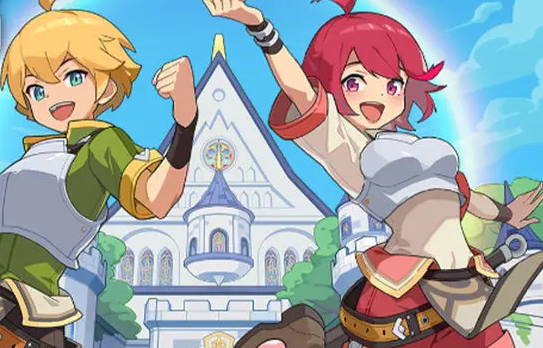
Ragnarok Crush is a mobile strategy puzzle game based on the Ragnarok Online universe. Instead of playing like a traditional MMORPG, it focuses on matching, merging, companion upgrades, boss stages, and tactical preparation before waves of enemies attack. You still see familiar RO-style jobs, monsters, MVP bosses, pets, and fantasy locations, but the actual gameplay is built around puzzle decisions and team planning.
B. Match-Merge + Tower Defense Hybrid Explained
The core gameplay combines match-style tiles, merge upgrades, and tower defense pressure. You match items or units, power them up, place or prepare your team, and then survive enemy waves. It feels simple early on, but later stages punish random moves. You need to think about which tiles to merge, when to chase a five-match combo, and how to prepare for boss waves.
C. Ragnarok Online-Licensed Game Features
One of the main attractions is the official Ragnarok flavor. You get classic jobs like Swordsman, Archer, Mage, Thief, Acolyte, and Merchant, plus familiar monsters and MVP-style bosses. The art style leans cute and colorful, but the systems still borrow a lot of identity from RO’s class and companion fantasy.
D. Why This Guide Matters
This guide matters because Ragnarok Crush can trick new players into playing too casually. If you only match random tiles, summon randomly, and upgrade every companion equally, your progress slows down fast. A little planning makes chapters, bosses, summons, and resource use much smoother.
II. Beginner Guide Essentials
A. First Steps After Launch
After launching the game, your first goal is to understand the main screen, clear early tutorial stages, claim beginner rewards, and unlock core systems. Don’t rush every button at once. Follow the main chapter path first because it introduces matching, companions, summons, upgrades, and stage progression naturally.
B. Puzzle Combat Basics
Puzzle combat is about turning board moves into battle power. Matching tiles gives you resources, attacks, upgrades, or effects depending on the stage system. The key is not just matching whatever is available, but matching in a way that prepares your team for the next enemy wave.
C. How Match-Merge Works
Match-merge means combining matching tiles or units to create stronger results. Usually, three matching pieces create a stronger version, while larger matches can trigger better effects. The more efficiently you merge, the more power you bring into combat.
D. Five-Match Combo and AoE Damage
Five-match combos are especially valuable because they can create stronger board effects and better AoE damage opportunities. If you see a chance to set up five identical tiles, don’t instantly waste it with a smaller match. A good five-match can clear mobs, trigger stronger skills, or help you survive a dangerous wave.
E. Common Beginner Mistakes
The biggest beginner mistakes are matching too fast, ignoring companion roles, spending resources on every unit, wasting premium currency, and forgetting that boss stages need different planning than normal waves. Play slower at first, learn what each match does, and invest in a small core team.
III. Class and Job Guide
A. Classic Ragnarok Job Classes
Ragnarok Crush brings back classic RO-style jobs, including Swordsman, Archer, Mage, Thief, Acolyte, and Merchant. Each job gives a different feeling, even though the game is not a traditional MMORPG. Your class affects your combat identity, stat direction, and how you support your companion setup.
B. Swordsman Overview
Swordsman is the sturdy front-line style. It fits players who want safer progression, better durability, and a simple role. It may not always have the flashiest damage, but it helps stabilize tough stages.
C. Archer Overview
Archer is the ranged damage choice. If you like clean DPS, safer attacks, and reliable stage clearing, Archer feels comfortable. It is also one of the easier jobs to recommend for players who want fast progression without overcomplicating things.
D. Mage Overview
Mage focuses on magic damage and AoE pressure. It is great when enemies come in groups, and it can feel very strong when paired with the right companions. The downside is that it often needs better planning and protection.
E. Thief Overview
Thief is usually about speed, agility, and aggressive damage. It suits players who like faster, riskier styles. In puzzle strategy terms, Thief works best when you can keep pressure high and avoid getting dragged into long fights.
F. Acolyte and Merchant Roles
Acolyte leans toward support and survival value, while Merchant often connects with resource efficiency, utility, or special team benefits. They may not always look as exciting as pure DPS jobs, but they can be very useful for stable long-term progression.
IV. Class Builds and Stats
A. STR Swordsman Build
A STR Swordsman build focuses on physical damage while keeping enough durability to survive. It is a good choice if you want your main character to hit harder without losing the classic front-line feeling.
B. DEX Archer Build
A DEX Archer build supports ranged damage, accuracy-style scaling, and consistent DPS. This is one of the smoother choices for beginners because it helps you clear stages quickly while staying focused on one clear stat direction.
C. INT Mage Build
An INT Mage build boosts magic damage and makes AoE skills more threatening. If you want big spell impact and stronger wave clearing, INT should be your main priority.
D. AGI Thief Build
An AGI Thief build supports speed, attack rhythm, and evasive pressure. It fits players who like fast combat and don’t mind a more fragile style.
E. Stat Allocation Tips
Do not spread stats randomly. Pick the main stat that matches your class, then support it with enough survival or utility depending on where you are stuck. A focused build almost always performs better than a messy one.
F. Skill Allocation Advice
Skill allocation should match your main role. Damage classes should prioritize core damage skills first. Support or survival jobs should invest in skills that keep the team alive or improve stage consistency. Avoid upgrading skills just because they look cool.
V. Companion Tier List
A. S-Tier Companions
S-tier companions are the ones that bring high impact in many situations. These are usually strong legendary units, reliable tanks, top AoE damage dealers, elite supports, or companions with powerful crowd control.
B. A-Tier Companions
A-tier companions are strong but may need the right team or stage type. They are worth building if they fit your class, chapter trait, or missing team role.
C. B-Tier Companions
B-tier companions are usable early but should not eat too many rare resources. They can fill gaps while you wait for better pulls, but they are not usually long-term priorities.
D. Best Legendary Companions
The best legendary companions are usually those that can carry a role by themselves. A legendary tank, a strong Mage DPS, a support like Garm, or a powerful AoE unit can completely change your chapter progress.
E. Core Companions for Team
Your core team should include at least one tank, one main DPS, and one support or utility companion. After that, fill the remaining slots with AoE damage, control, or role-specific counters.
VI. Best Companions by Role
A. Best Tank Companion (Swordsman)
A Swordsman-style tank companion is one of the safest early choices because it protects your team from collapsing. If your backline keeps dying, a tank should be your first fix.
B. Best DPS Companion (Mage)
Mage companions are excellent for damage, especially when stages throw multiple enemies at you. A strong Mage can clear waves quickly and make puzzle mistakes less punishing.
C. Best Support Companion (Garm)
Garm is often treated as a valuable support-style companion because support effects can keep your team alive during longer fights. In tough content, survival and utility can matter as much as raw damage.
D. Best AoE Damage Companions
The best AoE companions are the ones that punish grouped enemies. These are especially useful in chapter stages, roguelike modes, and waves where enemy numbers matter more than one boss target.
E. Best Crowd Control Companions
Crowd control companions help slow, freeze, stun, or interrupt enemies. These units become more valuable as stages get harder because they buy time for your damage dealers.
VII. Team Strategy
A. Best Core Team Composition
A good core team usually uses one tank, two damage dealers, one support, and one flexible slot. The flexible slot can be AoE, crowd control, boss damage, or another support depending on the stage.
B. Tank + DPS + Support Balance
Balance matters more than rarity. A team full of damage dealers may look powerful, but it can fall apart if enemies break through. Tank + DPS + support is the safest foundation.
C. Team Synergy Tips
Build around your strongest companion, then support that unit’s weakness. If your main carry is fragile, add tanking or healing. If your team survives but lacks damage, add Mage or Archer-style DPS.
D. Fire Composition and Chapter Traits
Some chapters favor certain traits or element-style setups. Fire compositions can be useful when chapter traits reward that direction, but don’t force a Fire team if your best companions are not upgraded.
E. Party Attack Percent Strategy
Party attack percent boosts are extremely valuable because they improve your whole team instead of only one unit. When choosing match bonuses or stage upgrades, party-wide attack can be better than a small single-unit boost.
VIII. Summon and Banner System
A. Goddess Summon Overview
Goddess Summon is one of the basic ways to obtain companions. It is useful early because you need more units to build your first working team.
B. Void Summon Overview
Void Summon is usually more attractive when you want stronger companion quality and better legendary chances. New players should understand the value before spending premium summon resources carelessly.
C. Legendary Companion Guarantee
The legendary guarantee system matters because it gives long-term direction to your pulls. Even if luck is bad, repeated summons can eventually move you toward a stronger companion.
D. Wish Coin Summon
Wish Coin Summon is another route for targeted or special summons. Save these resources until you know which role your team lacks.
E. Summon Priority for New Players
New players should prioritize summons that help build a balanced team. Don’t chase only DPS. A strong tank or support can sometimes improve your progress more than another attacker.
IX. Chapter and Progression Guide
A. Chapter Progression Basics
Chapter progression is the main path for unlocking content and rewards. Clear stages steadily, upgrade your main team, and don’t panic if you hit a wall. Walls usually mean your team, gear, or match planning needs adjustment.
B. Advanced Chapter Tips
For harder chapters, check enemy traits, adjust companions, and plan five-match opportunities. Don’t just repeat the same setup blindly if it keeps failing.
C. How to Breeze Through Tougher Stages
To clear tougher stages, upgrade your main DPS first, keep your tank alive, choose party-wide buffs, and look for AoE match opportunities before enemy waves stack up.
D. Expedition and Gala Crystal
Expedition and Gala Crystal systems help your account grow beyond simple chapter clears. Treat them as part of your daily routine because they provide useful resources for long-term progression.
E. Companion Level Up and Tier Up
Companion level up and tier up are major power spikes. Focus on your best five or core role units first. Upgrading too many companions at once slows everyone down.
X. Boss Battles and MVP Content
A. MVP Boss Mechanics
MVP bosses are tougher enemies with bigger health pools and more dangerous mechanics. They are not just damage checks; they also test whether your puzzle planning and team setup make sense.
B. Boss Battle Puzzles
Boss battles often require smarter tile use. Instead of chasing random matches, prepare damage windows, save strong combos, and time your best effects when the boss is vulnerable.
C. Best Companions for Boss Damage
The best boss companions are strong single-target DPS units, damage buffers, and survival supports. Mage damage can still work, but boss fights usually reward focused damage more than pure AoE.
D. Boss Damage Power-Up Tips
To increase boss damage, upgrade your main DPS companion, improve gear, pick party attack bonuses, use matching effects carefully, and avoid wasting big combos before the boss phase.
E. Exclusive Skins and Legendary Materials
MVP and boss content can reward exclusive skins and legendary materials. These rewards are worth chasing because they support both account power and visual customization.
XI. Gear and Equipment
A. Companion Gear Overview
Companion gear adds another layer of progression. Even a strong companion can feel weak if its gear is ignored, so don’t focus only on levels.
B. Equipment Dungeon Guide
Equipment dungeons are important for farming gear pieces and upgrade materials. Clear them consistently and push higher difficulties when your team becomes strong enough.
C. Companion Gear Upgrades
Upgrade gear on your core companions first. Your main tank, main DPS, and main support should receive priority before side units.
D. Stone and Item Match Resources
Stone and item match resources help power your board and team. Learn which resources support your current goal instead of collecting everything without a plan.
E. Gear for Tank vs DPS
Tank gear should focus on survival, durability, and damage reduction. DPS gear should focus on attack, skill damage, crit-style power, or whatever stat boosts that companion’s main output.
XII. Roguelike and Seasonal Modes
A. Roguelike Mechanics
Roguelike modes usually involve run-based progression, random choices, and temporary bonuses. These modes reward flexible planning because you may not always get the same upgrades.
B. Seasonal Events Overview
Seasonal events add limited-time challenges and rewards. They are worth doing even if you are casual because event shops often provide resources that are hard to farm normally.
C. Event Rewards and Bonuses
Event rewards can include summon materials, companion resources, skins, gear items, and currency. Always check what the event gives before deciding how much time to spend.
D. How to Participate in Events
To participate, check the event menu, complete daily tasks, clear event stages, and claim rewards before the timer ends. Don’t wait until the final day if the event uses daily limits.
E. Progression Tips for New Modes
For new modes, start safe. Use your strongest balanced team first, learn the mechanics, then experiment with riskier damage-heavy builds once you understand the mode.
XIII. Match Tips and Advanced Tactics
A. Match-Merge Advanced Tactics
Advanced match-merge play is about planning two or three moves ahead. Instead of taking the first match you see, look for ways to create bigger combos or better tile positions.
B. Five Identical Tiles Strategy
Five identical tiles can create huge value, so learn to set them up. Sometimes skipping a small match for one turn is worth it if it creates a stronger five-tile result later.
C. AoE Damage Optimization
To optimize AoE damage, save big board effects for enemy waves instead of wasting them on one weak target. AoE is strongest when enemies are grouped or when a stage is about to overwhelm you.
D. Timing and Puzzle Planning
Timing matters because some effects are better before a wave, while others are better during boss pressure. Plan your board around what is coming next, not just what is happening now.
E. High-Level Match Strategies
High-level play means combining team roles, companion skills, board effects, and stage traits. The best players are not just lucky with tiles; they know how to turn average boards into useful outcomes.
XIV. Launch, Platforms, and Access
A. Official Launch Date (July 17)
Ragnarok Crush officially launched on July 17, with the game promoted as a full-platform release in supported regions.
B. Android and iOS Availability
The game is available on Android and iOS through supported app stores. Availability may vary by region, so check your local store if it does not appear.
C. Google Play and App Store Links
Players can find the game through Google Play and the App Store by searching for Ragnarok Crush: Match & Merge.
D. Top-Up and Official Web
Top-up and official web options may be available depending on region and publisher support. Always use official channels to avoid account risks.
E. Skins and Visual Customization
Skins and visual customization are part of the game’s appeal. Some skins come from events or boss-related rewards, while others may be tied to special offers.
XV. Frequently Asked Questions
A. What Is the Best Class in Ragnarok Crush?
The best class depends on your style, but Swordsman is safest, Archer is smooth for damage, Mage is great for AoE, and Acolyte-style support is useful for stability.
B. What Are the Best Companions to Summon?
The best companions to summon are strong legendary units, especially tanks, Mage DPS, supports like Garm, AoE attackers, and crowd control companions.
C. What Is the Best Team Composition?
The best general team composition is one tank, two DPS, one support, and one flexible companion. This setup works well in most chapters.
D. How Do Matches Work in Puzzle Combat?
Matches create attacks, upgrades, resources, or special effects depending on the tile system. Larger matches and better merge planning usually create stronger results.
E. How Do I Progress Through Chapters?
Progress by upgrading your core companions, improving gear, planning matches carefully, using party-wide buffs, and adjusting your team for difficult stages.
F. Is Ragnarok Crush F2P Friendly?
Ragnarok Crush can be F2P friendly if you manage resources well, focus on a core team, save premium summons, and participate in events consistently.
G. What Is the Difference Between Goddess and Void Summon?
Goddess Summon is a standard companion summon route, while Void Summon is usually more valuable for players chasing stronger companions and better high-rarity results.
Ragnarok Crush is more than a casual match game with Ragnarok characters. The fun comes from combining class identity, companion roles, board planning, summons, gear, boss mechanics, and event progression into one strategy loop. If you are new, start by building a balanced team with a tank, DPS, and support. Focus upgrades on your core companions, learn how five-match combos work, and don’t waste resources trying to build every unit at once.
For classes, Swordsman is the safest pick, Archer is great for steady damage, Mage is strong for AoE clearing, Thief fits faster aggressive play, and Acolyte or Merchant roles can support long-term team stability. For companions, prioritize strong legendary units, useful tanks, Mage DPS, Garm-style support, AoE attackers, and crowd control options. Once you understand how matching, merging, and team synergy connect, Ragnarok Crush becomes much easier to enjoy. Play patiently, plan your board, claim event rewards, and build one strong team before chasing everything else.