Fishing Planet Guide 2026: Beginner Progression, Best Spots, Gear Setups, and Money Tips
If you are opening Fishing Planet for the first time, the game can feel calm for about five minutes, and then suddenly you realize there is a lot going on. Rod power, reel drag, line strength, hook size, bait choice, fish behavior, weather, travel cost, keepnet space, peak hours, lake licenses, competitions, boats, kayaks, and premium bonuses all matter. That is why a practical fishing planet guide is useful, especially in 2026, when the game has grown into a huge fishing simulator with many locations and species to learn.
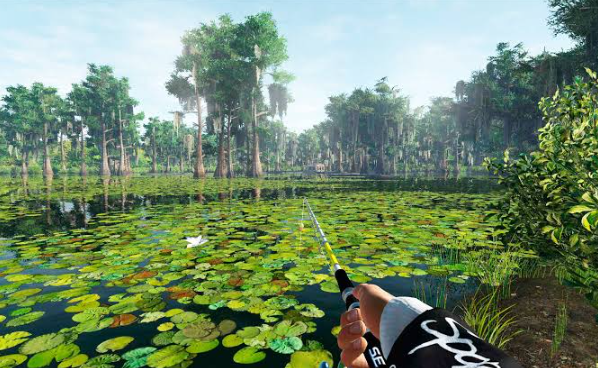
Fishing Planet is a free-to-play first-person online multiplayer fishing simulator. The Steam page describes it as a realistic fishing game with 200+ fish species, 27 waterways, float fishing, spinning, bottom fishing, saltwater trolling, dynamic weather, kayaks, motorboats, yachts, competitions, leaderboards, and co-op fishing features. In plain player language, it is not just “cast and wait.” It is a game where preparation saves money, good spots save time, and the right gear keeps you from snapping your line right when a trophy fish finally bites.
This guide is written from the way I would explain the game to a new player: what to do first, where to level, what gear matters, how to avoid going broke, and how to fish smarter instead of randomly throwing bait into the water. You do not need to spend money to enjoy Fishing Planet, but you do need to plan. The game rewards patience, and it punishes careless upgrades.
I. Introduction to Fishing Planet
Fishing Planet is basically a realistic multiplayer fishing sandbox where you travel between lakes, rivers, and coastal locations to catch different fish species using proper tackle setups. It feels casual when you are catching small panfish at Lone Star Lake, but it becomes much deeper once you start targeting walleye at Emerald Lake, trout at Rocky or Falcon, bass in the Everglades, carp at Weeping Willows, taimen at Selenge, and huge predators in South America.
Beginners need a full guide in 2026 because Fishing Planet has years of layered content. A new player can waste money very easily by traveling too early, buying rods that do not match their reels, using line that is too strong for the reel, or forgetting to upgrade the keepnet. The game has a real economy loop: you spend money to travel, buy bait, repair tackle, and upgrade gear, then you earn money by selling fish. If you make bad decisions early, you can feel stuck even if your fishing technique is fine.
The core experience is slow, realistic progression. You start with small fish, learn how float fishing works, then move into spinning and bottom fishing. Later, you start reading weather charts, rotating hotspots, adjusting lure depth, setting markers, and planning multi-day trips so travel costs do not eat all your profit.
II. Getting Started: First Steps and Tutorial
When you create your account and log in for the first time, do not rush through the tutorial like it is useless. Fishing Planet’s early tutorial teaches you the basic loop: cast, wait for a bite, strike, manage tension, reel in, keep or release the fish, and sell it later. That sounds simple, but line tension and drag management become extremely important later.
The basic UI shows your rod setup, line tension, reel drag, fish fight direction, weather forecast, time of day, map, inventory, and fish keeper capacity. New players usually stare at the water and ignore the UI, but the UI is where the important information lives. If your tension bar is red too long, you are risking breakage. If your keepnet is full, you are wasting catches. If you fish during bad bite times, you are wasting bait.
Fishing Planet mainly teaches players through three major freshwater styles early on: float, spinning, and bottom fishing. Float fishing uses bobbers and bait, and it is excellent for panfish and many beginner species. Spinning uses lures like spoons, spinners, jigs, crankbaits, and topwater baits. Bottom fishing uses sinkers, rigs, and bait placed on or near the lakebed. The official Steam page also lists saltwater trolling as one of the game’s fishing types, but beginners usually deal with float, spinning, and bottom first.
Your starter gear is enough for Lone Star Lake, so do not instantly buy random expensive tackle. Use free or cheap worms, learn hook sizes, catch smaller fish, and save money. The early goal is not to look rich. The early goal is to avoid becoming broke before Emerald Lake.
III. Location Progression and Leveling Route
For Level 1–5, stay at Lone Star Lake. This place is beginner-friendly, cheap, and safe. Catch bluegill, sunfish, crappie, spotted bass, and other small fish. Use worms, small hooks, and simple float setups. Pick up free bait when possible, and learn how fish respond to depth changes.
For Level 5–12, many players start moving toward Mudwater River, Rocky Lake, and especially Emerald Lake once unlocked. Official patch history shows the revised waterway unlock sequence includes Lone Star at Level 1, Mudwater at Level 3, Emerald at Level 5, Rocky at Level 8, Neherrin at Level 10, Falcon at Level 14, and Everglades at Level 18. Mudwater is useful for bass and catfish basics, while Rocky gives you a taste of trout fishing. Emerald is where many players first feel real money progress.
For Level 12–21, Emerald Lake walleye is one of the classic grind routes. Community advice repeatedly points new players toward Emerald walleye because it is stable for both XP and cash, especially with night fishing and proper lures or minnows. If you are struggling financially, Emerald is usually the lake that fixes your account.
For Level 21–30, you can stay at Emerald longer or move into Everglades for bass and peacock bass. Everglades can be fun and fast, but travel and license costs are higher, so your keepnet size matters. A small keepnet means you fill up too quickly and lose efficiency.
For higher levels, progression branches out. Selenge River, Weeping Willows, Blue Crab Island, and South American locations become major targets later. Selenge is known for powerful predators like taimen, Weeping Willows is popular for carp and tench-style bottom fishing, Blue Crab introduces saltwater variety, and South American waters bring monster fish like arapaima. The best XP grinding spot depends on your gear, but the same rule always applies: go where your equipment can safely land the target fish.
IV. Best Fishing Locations Ranked
Lone Star Lake is not the most profitable lake, but it is the best classroom. It costs little, teaches the basics, and lets you recover if you make bad purchases. I would never call it bad because every good player started by learning basic casting and bite timing here.
Mudwater Marina is useful for early bass, catfish, and general bait practice. It is not as famous as Emerald, but it teaches you how bigger fish start testing your setup. Rocky Lake is more enjoyable if you like trout and lure fishing. Trophy rainbow trout can be satisfying because they teach you retrieve control.
Emerald Lake is one of the most important beginner-to-midgame lakes. Walleye are consistent, profitable, and a great lesson in night fishing. Everglades is where bass fishing becomes more exciting. Peacock bass and largemouth bass can be quick money if your gear and keepnet are ready.
Falcon Lake is a good trout destination and a nice break from grinding walleye. Some players recommend Falcon after Emerald when you want money and variety. Selenge River feels more advanced because bigger predators demand stronger gear and better fight control. Weeping Willows is excellent if you enjoy carp-style setups, groundbait, and patient bottom fishing. Blue Crab Island opens the door to saltwater species, and South America becomes exciting when you are ready for huge fish like arapaima.
V. Tackle and Equipment Setup Guide
For beginners, the best rod and reel combo is not the strongest one you can barely afford. It is the one that matches your target fish. Your rod, reel, line, leader, and hook should all work together. If your line is much stronger than your reel, you can damage the reel. If your line is too weak, fish snap it. If your hook is too large, small fish ignore it. If your hook is too small, large fish are harder to target.
Rod and reel recommendations like Argo rods or Attorney reels may appear in community routes depending on level and budget, but do not buy by name alone. Check casting weight, line weight, max drag, and target species. A balanced setup saves more money than a flashy one.
For float fishing, use bobbers or wagglers, adjust depth, and match hook size to bait. Small hooks and worms work for panfish. Larger hooks and baitfish work for bass or other predators. For spinning, keep spoons, spinners, jigs, narrow spoons, crankbaits, and topwater lures ready. Species and weather matter. Walleye often respond well to night presentations, while bass can be active around vegetation and warmer conditions.
For bottom fishing, sinkers, feeders, and bait choice are everything. Carp and catfish-style fishing rewards patience and proper placement. Upgrade your keepnet or fish keeper early because a small keeper limits profit. Many players underestimate this. A better rod helps catch bigger fish, but a better keepnet helps you actually keep and sell those fish.
Braid versus mono depends on the job. Braid gives strength with smaller diameter and good sensitivity, while monofilament is forgiving and beginner-friendly. For F2P players, budget setups should focus on one profitable route at a time instead of buying gear for every lake.
VI. Fish Species Targeting and Techniques
At Lone Star, panfish and spotted bass are your early teachers. Use worms, small hooks, and float depth adjustments. If bites slow down, change depth before changing everything else. Many beginners quit a spot too quickly when the bait is fine but the float depth is wrong.
For largemouth bass and peacock bass in the Everglades, lures like jigs, bass jigs, crankbaits, poppers, walkers, and buzzbaits can all have a role depending on conditions. A 4/0 jig strategy is popular in bass routes because larger hooks help reduce tiny fish interference and target better bass.
For Rocky Lake trophy rainbow trout, lures like spinners and spoons are reliable. Use stop-and-go or twitching retrieves and pay attention to weather. For Emerald Lake walleye, minnows, narrow spoons, and night fishing are classic. Walleye often feel like the first “real grind fish” because they pay well and teach timing.
For Selenge taimen, topwater walkers and strong gear become important. These fish can hit hard, so do not bring underpowered tackle. For trophy carp, groundbait, bottom rods, correct bait, and patient spot placement matter more than constant recasting. For arapaima and other giant predators, heavy gear is not optional. If you hook a monster on weak gear, you are not being brave; you are donating tackle.
VII. Advanced Techniques and Strategies
Stop-and-go is one of the first lure techniques you should learn. Reel a bit, pause, let the lure drop or slow, then continue. Twitching is more active, using rod movement to make the lure look alive. These techniques matter because Fishing Planet fish respond to presentation, not just lure type.
Drag-and-drop casting is useful for precision. You want to land near reeds, drop-offs, vegetation edges, deep channels, or structure without overshooting the zone. Peak time fishing is also huge. The bite chart is not decoration. If the chart shows a strong bite window at night, do not waste half your bait at noon unless you know the species behaves differently.
Spot rotation keeps your catch rate stable. If one spot slows down, move to another marker instead of forcing it forever. Fish isolation is another advanced habit: use lure size, hook size, bait type, and depth to reduce unwanted catches. If small fish keep stealing bait, go bigger or change presentation.
Markers are your memory. When you catch a trophy or unique fish, mark the spot, note time and weather, and repeat the pattern later. Reading bottom terrain, vegetation, and depth changes is one of the biggest differences between random fishing and efficient fishing.
VIII. Money and Resource Management
The fastest way to earn money is not always catching the biggest fish. It is catching profitable fish consistently while keeping travel, license, bait, and repair costs under control. Emerald walleye became famous for a reason: good payout, good consistency, and reasonable access for lower-level players.
Profit varies by lake. Lone Star is safe but low income. Emerald is a strong early money lake. Everglades can be fast but costs more. Falcon can be a good trout option. Later, high-level locations become profitable only if your gear can handle them. Going too early can bankrupt you.
Free red worms and pet food farming at Lone Star help beginners recover. Use cheap bait whenever possible in early levels. Avoid tackle breakage by setting drag below your weakest component’s limit. If you constantly fight in the red tension zone, you are gambling with your gear.
Upgrade when your current gear blocks profit, not just because a shop item looks better. Inventory management also matters. Carry enough bait and lures for your trip, but do not overbuy. Keep trophy fish if they fit your keeper and pay well. Release fish that waste space compared with your target profit.
IX. Seasonal and Weather-Based Fishing
Fishing Planet’s fish behavior depends on conditions like season, climate, time of day, water current, bottom type, water and air temperature, and wind, according to the official Steam description. In practice, this means the same spot can feel amazing one day and slow the next.
Spring and autumn often feel balanced for many species. Summer can push fish into certain times or depths depending on heat. Winter-style conditions may favor cold-water fish and slower presentations. Temperature affects bite behavior, so watch the forecast instead of only copying coordinates.
Wind can affect casting distance and lure control. Rain, fog, and bright sunshine can change activity patterns. Dawn and dusk are often productive in many fishing games and real fishing logic, but Fishing Planet still depends on the in-game bite chart and species behavior. Night fishing is especially important for walleye and some predators.
For events and limited-time species, normal rules may shift. Seasonal lures and event baits often exist for a reason. When an event is active, read the requirements carefully before spending money on random tackle.
X. Tournament and Event Fishing
Tournaments are where Fishing Planet becomes less relaxing and more competitive. To enter properly, check the target species, location, gear restrictions, scoring rules, and time limit. Do not show up with a random setup and expect luck to carry you.
Team versus personal score strategies are different. In personal competitions, you optimize your own route. In team-based play, communication and spot sharing matter more. The Steam page confirms online competitions include personal scores, achievements, leaderboards, and top-player lists.
The biggest tournament mistake is practicing too little. You should know your spots, casts, retrieve style, and backup plans before the event starts. Limited-time events may require specific lures or bait, so prepare in advance. If you want to compete seriously, join active communities, watch experienced players, and learn why they choose certain times and spots.
XI. Multiplayer and Social Features
Fishing Planet is more fun with other players because you can compare catches, share markers, test setups, and learn faster. Co-op fishing also helps newer players understand where fish are holding. The game supports fishing together with other players, and ocean fishing yachts can hold groups of friends.
Chat can be useful, but do not spam “where fish?” every five seconds. Ask specific questions: target species, bait, hook size, time, or depth. Most experienced players are more willing to help when they see you are trying.
Clubs, Discord groups, Reddit discussions, and YouTube guides are helpful because Fishing Planet has a lot of hidden knowledge. Community posts often point beginners toward routes like Emerald walleye, Everglades bass, Falcon trout, and later pike or sturgeon farms. Use community advice as a starting point, then test it with your own gear.
XII. F2P vs. Premium: Is Spending Worth It?
Fishing Planet is playable as F2P, but premium makes progression faster. Premium Account benefits include a 50% boost to XP and credits, boat rental discounts, free competition registration, and more frequent use of Forward Time according to official storefront and wiki descriptions.
Can you compete without premium? Yes, but you need more patience. F2P players should avoid waste, stay longer on profitable lakes, upgrade keepnets early, and plan trips carefully. Premium does not replace skill, but it reduces grind and makes mistakes less painful.
The best real-money investment is usually premium time or practical gear packs that help with keepnet size and progression. Avoid buying things just because they look cool. Spending should solve a bottleneck: slow XP, low income, weak gear, or expensive travel. If you are casual, F2P is fine. If you play daily and want faster progress, premium can be worth considering.
XIII. Common Mistakes and How to Avoid Them
The most common mistake is using the wrong rod and line size for the target fish. If your setup is too weak, fish break you. If it is too strong for small fish, you waste money and reduce efficiency. Match your tackle to the lake.
Another big mistake is ignoring keepnet upgrades. A better keepnet means longer trips, more fish kept, and more money per travel cost. Players also rush level progression without proper gear, which leads to expensive failures at harder lakes.
Do not ignore location-specific behavior. Walleye, bass, trout, carp, pike, catfish, and arapaima do not all behave the same. Learn the species instead of blaming the game. Also, do not overfish one spot forever. Rotate markers, adjust bait, change depth, and follow peak times.
Finally, do not avoid the community. Fishing Planet has too much information for one player to discover quickly. Reddit, Discord, YouTube, and official updates can save you hours of trial and error.
XIV. SEO and Keyword Integration Strategy
For the keyword fishing planet guide, strong related phrases include Fishing Planet beginner guide, Fishing Planet leveling guide, Fishing Planet money guide, Fishing Planet best spots, Fishing Planet Emerald Lake walleye, Fishing Planet Everglades bass, Fishing Planet gear setup, Fishing Planet F2P guide, Fishing Planet tournament tips, and Fishing Planet best bait.
Semantic keyword placement should feel natural. Use the main keyword in the title, intro, one or two headings, and conclusion. Related keywords can appear in sections about leveling, money, gear, and species targeting. Do not repeat the exact phrase every paragraph because that makes the article feel robotic.
The best SEO approach is to answer real player questions: where to fish, what to buy, how to earn money, how to avoid breakage, and when to move locations. Useful content naturally includes the right terms.
XV. Content Optimization for Search Engines
A strong meta title could be: Fishing Planet Guide 2026: Best Leveling Spots, Gear, Money, and Beginner Tips. It includes the main keyword and tells players exactly what they will get.
A good meta description could be: Learn how to progress in Fishing Planet with beginner gear setups, best XP routes, money-making lakes, fish targeting tips, F2P advice, and tournament preparation for 2026.
Image alt text should describe the image clearly. Examples include “Fishing Planet Emerald Lake walleye guide,” “Fishing Planet beginner float fishing setup,” “Fishing Planet Everglades bass hotspot,” and “Fishing Planet gear setup for beginners.” Internal links can point to dedicated guides for Emerald Lake, Everglades, trout fishing, carp setups, money farming, tournaments, and premium account value.
FAQ schema can target questions like “What is the best beginner lake in Fishing Planet?”, “How do I make money fast in Fishing Planet?”, “Is premium worth it in Fishing Planet?”, and “What gear should beginners buy first?”
This fishing planet guide deserves attention because Fishing Planet is not hard in the usual action-game way. It is hard because bad planning slowly drains your money, wastes your time, and makes progression feel worse than it needs to be. Once you understand location progression, tackle balance, keepnet value, peak times, and species behavior, the whole game becomes much smoother.
My simple advice is this: start slow at Lone Star, move carefully into Emerald walleye farming, upgrade your keepnet before chasing bigger fish, learn one profitable route at a time, and do not travel to expensive locations before your gear is ready. Use community tips, but always test them with your own setup.
Fishing Planet rewards players who pay attention. If you treat every cast like data, mark good spots, adjust to weather, and manage your money carefully, you can build a strong account without rushing or spending heavily. The fish are there. The real skill is showing up with the right plan.