Heaven Burns Red: The Player’s “Story Will Wreck You” Guide to Combat, Tier Lists, Rerolling, Teams, Farming, and F2P Reality (2026)
Introduction
A. What Heaven Burns Red is (story-driven JRPG + turn-based combat + daily life sim vibes)
Heaven Burns Red is the kind of game you boot up thinking, “Nice, another gacha JRPG,” and then suddenly you’re 40 minutes deep into a fully voiced scene, emotionally compromised, and wondering why you’re attached to a squad of absolute gremlins with trauma and perfect comedic timing.
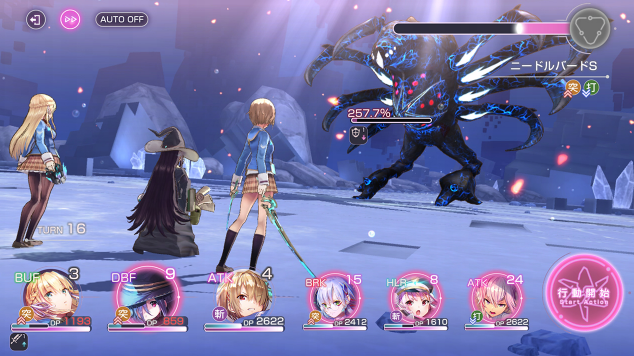
Mechanically, it’s a story-first, turn-based RPG with a six-character party, big “visual novel” energy, and a loop that alternates between:
daily life segments (talking, bonding, slice-of-life events, funny/serious character moments),
and combat segments (turn-based fights with a defense system that makes it feel different from your usual gacha).
The global English version is published by Yostar, and the game is available on iOS, Android, and Windows (PC).
B. Core premise: girls defending humanity from the Seraphs using Seraph weapons
The world’s post-apocalyptic, humanity’s on the ropes, and the threat is the Seraphs—mysterious invaders that basically turned Earth into a “how are we still alive?” situation. Your playable cast is a group of girls trained to fight back using Seraph weapons (their combat gear / battle systems), and the story follows their missions, bonds, and the emotional cost of being “the last defense.”
This is not a “light story” game. It’s funny a lot of the time, but it will absolutely punch you later.
C. Key creators: Jun Maeda, Wright Flyer Studios, and Yostar (global)
The “why does this story hit so hard?” answer is Jun Maeda (Key / visual novel legend). The game is co-developed by Wright Flyer Studios (WFS) and Key / Visual Arts, and published globally by Yostar for the English release.
If you’ve ever played / watched Key works and thought, “This is too funny to be safe,” yeah—same energy.
II. Release Date and Platforms
A. Global English server launch timeline (what matters in 2026)
Here’s the clean timeline you actually need:
Japan launch (iOS/Android): February 10, 2022
PC (Steam) JP client: August 10, 2022
Global English release: November 15, 2024
So in 2026, the English server is established, with year-plus of global content cadence and community resources.
B. Platforms: PC, iOS, Android
Global version is playable on:
iOS
Android
Windows PC (via the global client; there’s also a Steam listing for the original JP build)
If you’re deciding “mobile or PC,” the real difference is comfort and grind pace:
Mobile = play anywhere, easy dailies
PC = longer sessions feel better, less hand fatigue, more stable performance
C. Pre-registration rewards and launch events (why people cared)
Before global launch, there was a pre-registration campaign with milestone rewards (Quartz, 10-roll tickets, and other goodies). Multiple outlets summarized the milestone tiers and rewards structure.
As a player, this matters because global launch accounts often started with a solid pile of resources—meaning rerolling and early team building were more forgiving than many gachas.
III. Story and World Overview
A. Post-apocalyptic Earth + Seraph invasion
The setting is bleak on paper: Seraph invasion, humanity on the brink, last-resort squads fighting back. But the storytelling doesn’t just live in “war mode.” It lives in the contrast—girls being hilarious and human in daily life, then walking into missions where everything has weight.
B. Ruka Kayamori and the 10th Squad’s journey
Your main POV is Ruka Kayamori (and the broader cast). The game’s narrative strength is how it uses squad dynamics: jokes, friendships, rivalry, coping, and the creeping dread that something bigger is always coming.
C. Full Japanese voice acting + manga-style dialogue
One of the game’s best “you’ll either love it or bounce” features is: it’s very story heavy, fully voiced (JP), and structured like a visual novel with RPG battles layered in.
If you’re allergic to reading (or listening), this might not be your game. If you like character writing, it’s a feast.
IV. Core Gameplay: Combat and Party System
A. Six-character party + DP (Defense Points) system
Combat is turn-based with a party of six, but the big twist is the DP (Defense Points) system: characters and enemies have a defensive layer that gets chipped down before you’re really chewing through HP in the way you expect. Multiple guides describe the “DP first, then HP” flow as fundamental to how you plan damage and survivability.
Player translation:
You don’t just “heal HP.”
You manage when you break DP, when you burst, and how you survive big spikes.
B. Seraph weapons, skills, and elemental affinities
Your units have skills tied to their Seraph weapons and roles. Elemental coverage matters, but not in the “every fight is a strict weakness check” way—more like “you’ll feel smart when you bring the right tools.”
C. Stun, Fragile, and DF (Deflector) style mechanics
Combat has key status effects and debuff windows that matter a lot in harder content:
Stun is a tempo tool (deny actions / create safe windows).
Fragile / vulnerability effects are damage amplifiers (timed burst windows).
Defensive mechanics (shields/deflect layers) determine whether a boss deletes you.
Community discussions often drill into how certain debuffs stack and what they actually affect—because the difference between “defense down” and “weakness exposure” can change your whole damage plan.
V. Daily Life and Character Bonding System
A. Daily life segments and side stories
Between battles, you get daily life sequences that function like:
bonding scenes
comedy bits
character development
and “the calm before the next emotional sledgehammer”
B. 50+ voiced characters and perspectives
The cast is big, and the game leans into character voice work as a core appeal—many guides and store descriptions highlight the large fully voiced cast.
C. Why daily life matters for progression
In practice, daily life content matters because:
it unlocks story progression,
provides resources and side rewards,
and often ties into character growth/bonuses.
Also, it’s the main reason you’ll still care about the game even when you’re farming.
VI. Heaven Burns Red Tier List and Best Characters
This section always needs a disclaimer: Heaven Burns Red is “style-based.” You’re not ranking “Ruka” as a single unit—you’re ranking specific SS/Style versions and what they do for your team.
A. How the meta is usually ranked (Attackers, Supports, Healers, Utility)
The most useful tier lists split roles like:
Attackers (HP damage finishers)
Breakers (DP shredders)
Buffers / Debuffers
Healers / sustain
Utility (stun, fragile setup, SP support, etc.)
A team-building guide summarized these role buckets clearly and why “breaker vs attacker” matters (break DP first, then attackers cash out).
B. “Top characters” and why the names keep showing up
Players commonly talk about characters like Ruka, Tama, Seika, Megumi, and others—but again: the real meta talk is about which SS styles you have and what your team can do with them.
For Global/EN tier references, you’ll see:
PocketGamer’s tier list + reroll guide updated March 4, 2026 (so it’s fresh for 2026 meta snapshots).
PocketTactics’ tier list for broader “best units” framing (older update but still helpful for baseline).
Community tier threads on r/heavensburnred (very practical “who feels strong in global”).
C. SS/A-tier picks for PvE, “PvP,” and superboss content
Heaven Burns Red’s core endgame is mostly PvE challenge content rather than traditional PvP ladder obsession, so tier list value tends to prioritize:
boss performance
DP break efficiency
burst window setup (fragile + buffs)
sustain and recovery
consistency without needing perfect RNG
When a tier list says “SS,” what you should read is:
“this style makes multiple teams better,” or
“this style enables a damage plan that trivializes a lot of content.”
VII. Best Teams and Party Building
A. Starter teams and elemental synergy basics
Your early goal is not “perfect meta.” Your early goal is:
one stable squad that can clear story and farm,
with enough sustain that you don’t wipe constantly,
and at least one “plan” for burst damage.
A solid beginner team template:
1 Breaker (DP shred)
1 Attacker (HP finisher once DP breaks)
1 Buffer
1 Debuffer / Fragile setup
1 Healer
1 Flex (stun utility, SP battery, second attacker, etc.)
B. Element attackers by role (light/fire/water/wind/earth/shade/crystal…)
Instead of pretending to list “best element attackers” forever (meta shifts), here’s the player way to build elements:
Pick an element you can support (buffs/debuffs/utility).
Build a team that can break DP efficiently in that element.
Have one or two attackers who cash out damage during burst windows.
If you only chase attackers without the support skeleton, you’ll feel stuck.
C. DP recovery, SP recovery, AT buff, stun, fragile teams
Your team isn’t just damage—HBR is a “setup and execution” game.
DP recovery keeps you alive through long boss phases.
SP recovery prevents dead turns where you can’t press skills.
AT buffs are your damage multiplier.
Stun is your safety tool.
Fragile is your “delete button” window.
If you’re new: prioritize survivability + consistency first. Burst comes after you can live.
VIII. Reroll Guide and Best Starter Characters
A. How to reroll efficiently
Rerolling is optional, but it’s popular because:
the game gives a decent chunk of early pulls,
and having one strong SS style early makes everything smoother.
Community guides point out that global rerolling was made easier compared to early JP-style reroll pain, and that you can get a meaningful starter setup early.
B. Must-reroll characters and F2P-friendly picks
This is where people get baited by tier lists. The real reroll priority is:
One top-tier support/healer style (because this stabilizes everything)
One strong DP breaker or attacker that fits your early progression
Anything else is gravy
Community discussions often mention that having key sustain/support (like Tama/Seika styles) can be enough even if your other SS pulls aren’t “perfect.”
C. Free units and early game recommendations
Heaven Burns Red is generous with story progression resources and early freebies, so you can absolutely play without rerolling if you don’t enjoy it. Just accept that your early team might be “slower but steady.”
IX. Progression and Farming Guide
A. Farming stages, daily quests, and resource priorities
Your daily priorities usually boil down to:
claim daily missions,
spend stamina efficiently,
upgrade your core squad first.
Resource priorities (player reality):
Skill upgrade materials (because new skills change fights)
Style enhancement resources
XP and currency (always needed)
Gear equivalents (if applicable in your current progression tier)
B. Best teams for arena/GP stages and early farming
If you want fast farming:
build at least one AoE-capable setup,
keep SP flow stable,
and don’t overcomplicate it.
In farming, consistency > speed until your account stabilizes.
C. Stamina management and event optimization
The real pro habit is:
don’t cap stamina,
don’t waste event stamina on low-value nodes,
and plan your week around event cycles.
If you’re F2P, events are where your account “catches up.”
X. Events, Rewards, and Monetization
A. Launch events, login rewards, and limited banners
Global launch had pre-registration milestones and launch rewards; since then, the global server has maintained event cadence typical of live-service gacha RPGs.
B. Gacha rates, pity, and F2P viability (the honest version)
Heaven Burns Red is playable F2P if:
you don’t chase every banner,
you build around what you have,
and you prioritize support/sustain tools early.
If you try to “collect everything,” you’ll feel broke forever. That’s not a HBR problem—that’s a gacha reality problem.
C. Paid packs and value assessment
If you’re the “light spender” type, the best value is usually:
monthly-type currency packs,
or limited bundles that directly increase pull value.
But you should decide based on your goals:
If you’re story-only, spending is unnecessary.
If you want to chase high difficulty content fast, spending accelerates time.
XI. Settings, Performance, and Controls (Mobile + PC)
A. Graphics and performance tips
Mobile: prioritize stability. Turn down settings if you get heat, stutter, or battery drain.
PC: stable performance matters most for comfort; you’ll spend long sessions in story and farming menus.
The Steam version’s system requirements show it’s not “zero demand”—it lists 30–40 GB storage and expects a reasonable PC.
B. Touch controls and PC keymapping
It’s turn-based, so controls are mostly UI comfort, not reflex action. Still:
on mobile, larger UI can prevent mis-taps
on PC, mouse + keyboard feels faster for menu-heavy play
C. Optimizing for different playstyles
If you’re story-first:
prioritize comfort and audio settings (voice volume matters).
If you’re farming-heavy:optimize speed and reduce UI friction.
XII. Community and Resources
A. Reddit hubs and community chatter
Two places matter most:
r/heavensburnred (game-specific)
r/gachagaming (broader gacha crowd; lots of launch/tier chatter)
There are also launch-date and pre-download posts archived on Reddit that reflect how the global rollout worked.
B. Tier lists, team builders, wiki resources
For constantly updated lists:
PocketGamer tier list updated March 2026 (good “fresh snapshot”).
For “baseline rankings”:PocketTactics’ tier list is a decent general reference.
C. YouTube guides and creators
YouTube is where you’ll find:
reroll walkthroughs,
“best memorias” discussions,
and endgame explanations.
Use creators for understanding systems; use tier lists for “who is strong right now.”
XIII. Comparisons and Genre Fit
A. Compared to other story JRPG gachas
Heaven Burns Red feels different because it commits hard to:
long story segments,
character writing,
and comedic daily life pacing.
If you came from “skip story, grind endgame,” this game might feel slow.
B. Unique blend of VN + daily life + turn-based
The loop is almost:
visual novel chapter,
slice-of-life bonding,
tactical fights.
If you like that blend, it’s addictive. If you don’t, it will feel like homework.
C. Who will love it vs who might find it too grindy
You’ll love it if you:
like character-driven stories,
like turn-based strategy with setup windows,
and enjoy building squads.
You might bounce if you:
hate reading,
want instant action,
or dislike stamina/event loops.
XIV. Beginner’s Guide: First Hours and Priorities
A. First-week goals (simple and effective)
Push story until your daily systems unlock
Build one stable squad (don’t spread upgrades across 12 units)
Learn DP break timing (this is the “why I wipe” fix)
Save premium currency until you understand banner value
Do dailies consistently (this is where F2P power accumulates)
B. Common mistakes (and how not to suffer)
Mistake: only building attackers
Fix: build at least one strong sustain/support core firstMistake: ignoring breakers
Fix: DP break is the gateway to real damageMistake: spending quartz immediately
Fix: wait until you know your roster gaps and upcoming banners
C. Free rewards, streaks, and launch bonuses
If you’re new in 2026, you’ll still benefit from early account rewards and event schedules. Just don’t treat early pulls as “the only chance.” HBR is a long game.
XV. Future Content and Roadmap (How to stay updated without doomscrolling)
A. Upcoming banners, collabs, and story chapters
The best way to track future content is:
official global site/news and social posts,
and community summary threads after each update.
B. Expected balance changes and meta shifts
Meta shifts in HBR usually happen when:
new SS styles introduce better burst windows,
new supports compress roles,
or new content demands different survival tools.
So keep your roster flexible. Build supports; they age better.
C. Where to follow official news
Start from the official global site and the official social pages; then use community spaces for “what does this mean for my pulls?”
Heaven Burns Red is one of those rare gachas where the story isn’t “optional flavor”—it’s the main dish. It’s a story-driven JRPG with turn-based combat built around a DP-first defense system, a huge voice-acted cast, and a daily-life structure that makes you care about characters before the game starts throwing emotional knives.