one punch man — One Punch Man: World (Feb 2026) Player Guide for Codes, Rerolls, Tier Picks
If you’re searching one punch man right now because you’re deep into One Punch Man: World, I get it. This game looks like a clean 3D action RPG on the surface—run around as S-Class heroes, punch monsters, do story quests, pull new characters, repeat—but the second you hit your first real wall (boss shield phases, element/type mismatch, or getting clapped in Arena), it becomes obvious: it’s not just “hit harder,” it’s play smarter.
This guide is written like I’d explain it to a friend who just started or came back after a break. We’re going to cover exactly what your outline asks for: the game loop, the damage type system (Morale/Technique/Assault/Overpower), the February 2026 code list and how to redeem it, reroll strategy, a practical tier list, combat mechanics (Link Attacks, dodges, stagger windows), hero development systems, team building by damage type, exploration tips, daily routine, boss strategies, gacha systems, F2P progression, PvP tips, common mistakes, and a few advanced builds that actually feel strong in real gameplay.
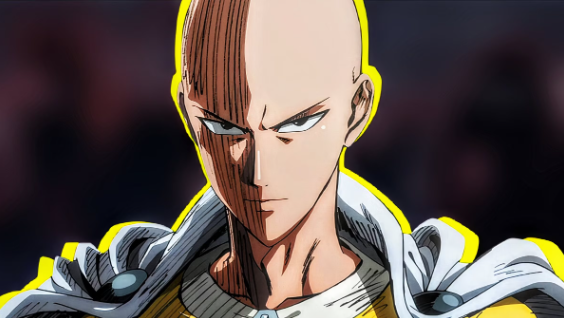
I. One Punch Man: World Introduction
A. 3D action RPG with Saitama/S-Class heroes in real-time combat
One Punch Man: World plays like a hub-based action RPG: you’re doing real-time combat (dodges, combos, skill chains), but you’re also living the gacha life—collect heroes, build them, and swap teams depending on content. The “feel” is what hooks most players: movement is snappy, attacks are flashy, and switching heroes mid-fight makes it look like you’re directing an anime episode instead of just farming stages.
The key thing to understand early: you’re not meant to main a single hero forever. Even if you love one character, the game is structured so you’ll rotate based on damage types, enemy weaknesses, and content requirements.
B. Story missions, exploration, gacha, and hero ranking
Your routine typically becomes:
Story missions to unlock systems and new zones
Exploration in hubs (quests, collectibles, hidden boxes)
Daily modes for upgrade materials and XP
Gacha pulls for new heroes and dupes
Hero ranking / PvP for long-term currency and flex value
If you’re F2P or light spend, your real “progress engine” is story + dailies + consistent resource routing. The gacha helps, but it’s not the whole plan.
C. Damage types: Morale (red), Technique (green), Assault (blue), Overpower (purple)
The game categorizes heroes into four “types,” and this matters more than most people expect—especially when you start pushing harder fights where the enemy’s resistance/weakness starts to feel like a brick wall.
These types are widely described in guide content as:
Morale (Red)
Technique (Green)
Assault (Blue)
Overpower (Purple)
You’ll see “type advantage” show up in combat tips as well, including the idea that hitting weakness provides a meaningful damage boost (your outline notes 40%).
Player translation: if a fight feels unfair, you might be fighting it with the wrong type, not the wrong gear.
II. Active Codes (February 2026)
Quick reality check before the list
Codes can expire fast, be capped, or only work on certain servers. So treat codes like “free snacks,” not your main meal. That said, the codes you listed are all referenced on multiple code-list sites, including TryHardGuides.
A. EggDayOPMW — Silver + EXP Cards
Listed on current code lists.
B. StPattyOPMW — 300 Silver
Also commonly listed.
C. AnimeAwards24 — Draw Ticket
Frequently included in the same bundle of “still works for some players” codes.
D. OPMWFanfest24 — Rewards
Also listed across multiple code pages.
E. Redeem steps: Phone icon → Gift Code → Confirm
The redemption flow is consistent across multiple guides:
Tap the phone icon (upper left)
Go to Settings (cogwheel)
Tap Gift Code
Enter code → Confirm
If a code doesn’t work:
try exact capitalization
assume it’s expired or server-limited
move on (don’t spiral). Reddit threads show server differences are real for some codes.
III. Reroll & Starter Guide
A. Guest account reroll (10–15 mins)
Rerolling is basically: play tutorial → unlock first pulls → roll → keep or reset. Video guides walk through clearing early tutorial stages quickly and repeating the loop.
Player advice: reroll only if you can handle repeating the intro a few times without hating life. If you can, it’s worth it—because starting with an SS-tier carry changes your early progression speed dramatically.
B. Target SS: Tatsumaki, Saitama “Dreamworld”, Atomic Samurai
Your outline’s SS targets are exactly the kind of units players reroll for: high-impact kits that either control fights (Tatsumaki), burst hard (Saitama variants), or deliver strong melee DPS (Atomic Samurai). Community and guide content repeatedly places Tatsumaki near the top due to AoE control value.
C. Free SSR: Genos via tutorial
Many players treat Genos as the “given to you” functional starter who stays useful because ranged pressure and upgrade paths can carry early PvE. (Even if you replace him later, he’s rarely a total waste early.)
D. 7-day selector: Tatsumaki priority
There’s a lot of community talk around the “7-day choice chest/selector” and who to pick for long-term account value, with Tatsumaki commonly discussed as a top option for many rosters due to her impact and consistency.
IV. Tier List: SS/S-Tier Heroes
Tier lists depend on mode (PvE vs PvP), but here’s a practical “player tier” view that matches your outline.
A. Tatsumaki (SS): Tornado control, AoE
Tatsumaki’s biggest value is that she doesn’t just do damage—she controls the fight. In PvE, that means cleaner clears. In PvP, it means she forces bad positioning and punishes clumped enemies. Control kits also scale well because they stay useful even when raw damage numbers shift.
B. Saitama Dreamworld (SS): One-shot burst
Burst units define boss windows and PvP picks. When you can delete a key target during a stagger phase or after a shield break, the entire fight tempo flips.
C. Atomic Samurai (S): Slash combos
Atomic Samurai is usually valued for reliable melee DPS and combo flow. Melee carries require more mechanical discipline (dodges, positioning), but they’re often strong when built correctly.
D. Fubuki (S): Blizzard sustain
Sustain characters become “secret MVPs” when you’re underleveled or fighting long stages. If you’re F2P, sustain often has higher account value than people admit, because it lets you clear content without needing perfect gear immediately.
V. Combat Mechanics Breakdown
A. Link Attacks: team switch mid-combo
Link Attacks (or switch combos) are how you turn “I’m doing damage” into “I’m doing damage safely.” The best use cases:
extend combos without getting punished
swap to the right type mid-fight
rotate cooldowns so you’re always doing something meaningful
If you’re stuck, it’s often because you’re fighting like it’s a solo character action game instead of a team action game.
B. Ultimates: fill gauge for massive damage
Ult gauge management is where good players create huge power spikes. The habit to build:
don’t ult the second it’s ready
ult when it converts into a kill, a shield break, or a stagger punish
chain ults after a control window so enemies can’t respond
C. Dodge/Stagger: perfect timing for counters
Dodging well isn’t just “avoid damage.” In action gachas, perfect dodge timings often create counter windows, slow effects, or stagger opportunities depending on the kit. Your survivability skyrockets when you stop panic-dodging and start dodge-timing.
D. 40% elemental bonus vs weak types
Type advantage is emphasized in beginner guides as a meaningful damage swing, and your outline’s 40% number matches the “noticeable advantage” concept that those guides highlight.
Player rule: if you keep losing a boss with 5% HP left, swapping to the correct type often fixes it faster than grinding two hours of upgrades.
VI. Hero Development Systems
A. Impression Arms: equip 3 skills per hero
This kind of system usually decides whether your hero feels “complete.” The best approach is role-based:
DPS: damage + crit + burst/finisher synergy
Sustain: survivability + uptime + healing scaling
Utility: control + cooldown flow + team buffs
B. Limit Breaks: dupes for stars/stats
Dupes matter, but early on they can bait you into overspending. My approach:
chase one copy of key units first
use dupes as a bonus
only chase limit breaks if you’re already stable in PvE and you’re building for PvP ranking
C. Job Hunting: Saitama passive buffs
If there’s a “meta passive” system tied to Saitama jobs (as your outline notes), treat it like long-term account optimization—do the tasks consistently, don’t try to max it in a day.
D. Arms Mode: Genos upgrades
Genos-style upgrade paths usually mean: he stays relevant longer than a normal starter because his power curve is tied to a system, not just raw rarity.
VII. Team Composition Guide
Here’s a simple team logic using your type table, translated into “how it actually plays.”
| Damage Type | Heroes | Role |
|---|---|---|
| Morale (Red) | Zombieman | Sustain DPS |
| Technique (Green) | Speed-o-Sound Sonic | Speed Assassin |
| Assault (Blue) | Genos | Ranged |
| Overpower (Purple) | Silver Fang | Melee Tank |
Type systems and team composition discussions are commonly framed exactly this way across team-building guides.
The real team rule that wins you content:
Run at least one unit that can reliably break shields or create stagger windows, and at least one unit that can dump damage into those windows.
If you bring three “cool DPS” with no control, you’ll feel strong until you meet a boss that refuses to cooperate.
VIII. Story & Exploration
A. Z-City hubs: Hero Association quests
Your hub is more than decoration—it’s where you pick up side content that feeds EXP, materials, and sometimes hidden rewards. Treat hub time like “free progression.”
B. Teleport waypoints unlock
Unlock waypoints early. It sounds small, but it reduces travel friction, and in games like this, less friction = more dailies completed consistently.
C. Side quests: figurines/tokens for EXP
Side content often looks optional, but it’s one of the best ways to avoid “level walls” where story enemies suddenly outscale you.
D. Mystery Boxes: hidden rewards
Hidden boxes are the kind of thing you ignore for a week, then realize you missed a pile of early resources. If you’re F2P, exploration rewards matter because they’re one-time injections that speed up your first month.
IX. Daily Routine & Energy
A. Commissions: prioritize 5 yellow missions
Whatever the “highest value” commission tier is (yellow in your outline), do those first. High value tasks usually give the best reward-to-energy ratio.
B. Joint Action: team EXP grinding
EXP grinding modes are where your roster catches up. If you only do story, your second/third heroes lag behind and you end up with a “one hero account,” which is fragile.
C. Side quests between walls
When you hit a story wall, don’t brute force it 20 times. Do side quests and dailies, upgrade key heroes, then come back stronger.
D. Energy: 120 cap, regen 1/min
If your energy cap and regen are as listed in your outline, the best habit is to avoid capping. Capped energy is wasted progression. Even quick logins to spend energy keep your account moving.
X. Boss Fight Strategies
A. Shield break first (40% more damage)
Boss fights often revolve around shield/stance phases. If you ignore the shield layer and just “DPS the boss,” you lose time and take unnecessary damage.
B. Switch heroes for types
Bosses are where type advantage matters most. If you have even one alternate DPS in a different type, you’ll avoid getting hard-walled.
C. Stagger windows: ultimates
Save burst for stagger windows. That’s where damage converts into progress instead of being healed/mitigated.
D. Genos gunpowder stacks
If Genos has a stacking mechanic (your outline calls out gunpowder stacks), treat it like a rhythm:
build stacks safely
break/stagger
dump stacks and ult into the window
Bosses punish panic play; they reward planned cycles.
XI. Gacha & Banners
A. Pity: 90 pulls SSR guarantee
Many gacha systems use a pity around this range, and your outline’s 90-pull SSR guarantee should be treated as your planning anchor: don’t pull randomly, pull when you can approach pity or when the banner is truly worth it.
B. Mileage: tickets for selectors
Mileage is your long-term safety net. If you waste mileage early on non-meta picks, you’ll regret it when a truly account-defining banner arrives.
C. Rate-ups: save for meta SS
This is the simplest gacha discipline rule:
pull on banners that change your account
skip banners that only add “nice to have” units
D. Free pulls: logins/events/codes
Free pulls add up. Redeem codes, do event logins, and collect the boring stuff. The boring stuff becomes your next SSR.
XII. Resources Priority
A. Silver: hero upgrades
Silver tends to be the “everything currency.” Spend it on core team upgrades first.
B. Gold/Credits: gear
Gear progression is a multiplier. A well-geared core team outperforms a scattered roster.
C. EXP Cards: team levels
Use EXP cards on heroes you actively play, not on every new character you pull.
D. Energy: missions over Arena early
Arena can be tempting, but early progression usually comes from story unlocks + farming modes. Arena becomes more important once your roster is stable and you can actually compete without burning resources inefficiently.
XIII. F2P Progression Path
A. Reroll Tatsumaki / Genos core
If you reroll, a strong control/carry unit plus a functional starter gives you immediate structure.
B. Story to Ch. 5 fast
Story chapters unlock systems. Systems unlock power. Power unlocks more story. It’s a loop—push story intelligently.
C. Dailies/sides for walls
When you hit a wall, farm smart, upgrade core, then push again.
D. Arena Ch. 20+ before heavy invest
If PvP investment is expensive, delay heavy PvP spending until you’ve unlocked enough of the game that your investment has better returns.
XIV. PvP Arena Tips
A. Balance damage types
Don’t enter PvP with one type unless you’re running a deliberate strategy. Balanced types prevent you from getting hard-countered.
B. Speed tuning for turns
In PvP, who acts first often decides the fight. Build speed on the units that need to:
break first
control first
or burst first
C. Anti-meta counters
If everyone is running the same SS carry, you either mirror it or you counter it. “Playing honest” is how you lose rank in gacha PvP.
D. Rank rewards cycle
Even if you’re not top-tier PvP, hitting consistent reward brackets is a steady currency stream.
XV. Events & Modes
A. Hero Ranking: monthly climbs
Treat ranked ladders as “play steadily” content, not “must win every match.” Consistency beats tilt.
B. World Boss: guild joins
If World Boss is guild-based, join an active guild. Guild rewards often outperform solo play.
C. Colosseum: 1v1 testing
Use 1v1 modes to learn matchups without risking your main progress.
D. Monster Arc specials
Special arcs are usually where limited rewards live. If you’re F2P, prioritize event shops that give pulls and upgrade materials.
XVI. Common Mistakes
A. Ignoring sides for EXP
This is how you hit a level wall and blame “bad luck.” Side content is literally designed to prevent that.
B. Wrong team types
Type mismatch is the silent killer. Swap types before you grind upgrades.
C. Early gem spends
If you spend gems the moment you get them, you’ll never reach pity on a banner that matters.
D. No codes claimed
Even if codes are small, they’re free. And the redeem flow is fast.
XVII. Advanced Builds
A. Saitama: charge one-shots
Build around burst timing: control → stagger → delete. Don’t waste your burst into a target that can reset or shield.
B. Tatsumaki: tornado AoE control
Lean into what makes her oppressive: grouping, control, AoE punishment. In team fights, her job is to make the enemy’s “safe positioning” stop existing.
C. Genos: Arms Mode rotations
Treat Genos like a rotation hero: build stacks/resources → break window → unload → reposition. If you mindlessly spam skills, you’ll feel weak; if you cycle correctly, you’ll feel way stronger than his “starter” label suggests.
XVIII. Community Resources
A. r/OnePunchManWorldGame wiki
Reddit communities often track working codes and server-specific issues faster than official posts, especially for time-limited coupons.
B. Discord events
Discord LFG and event reminders help you keep up with limited rewards and coordinate boss content.
C. YouTube replays
Watching high-level gameplay teaches you:
when they ult (spoiler: not instantly)
how they dodge and punish
how they swap heroes to keep pressure up
If you’re playing one punch man through One Punch Man: World, the fastest way to improve isn’t “pull more SSRs.” It’s learning the loop:
Use the right damage type for the fight.
Break shields and punish stagger windows with coordinated ults.
Build a team with structure (control/break + DPS + flex support), not just favorites.
Redeem codes quickly using Phone icon → Settings → Gift Code → Confirm, and don’t panic when some codes are server-limited.
Save currency for banners that actually change your account rather than impulse pulling.
If you share your current roster (even just your SSR/S heroes + what banner you’re on), I can map out a clean F2P plan: best reroll target for your account, your strongest team by type, and which upgrades give the biggest power spike for the least grinding.