Black Survival Characters: The No-Stress Player Guide to Test Subjects, Roles, Weapons, and Who to Learn First
If you’ve ever watched a Black Survival match (or jumped into Eternal Return and got deleted by somebody who somehow already has a full build at minute three), you already know the truth: your character pick is basically your “difficulty setting.” It decides how you farm, how you fight, what routes feel natural, and even what mistakes you can “get away with” while you’re still learning.
In this guide, I’m treating “black survival characters” the way actual players do: not as a dry roster dump, but as a practical “who should I play, why do they feel good/bad, and what’s the plan” handbook. We’ll talk about:
What “test subjects” (characters) really mean across Black Survival and Eternal Return
Roles, weapon types, and playstyles in plain English
How to think about tier lists without getting baited by them
Beginner-friendly picks (and why some “popular” characters are secretly misery)
A big roster breakdown by weapon archetype so you can quickly find your vibe
How patches and meta shifts change character value (without forcing you to reroll your whole life)
Also, quick note: the modern “Black Survival ecosystem” mostly lives through Eternal Return, a free-to-play survival/battle royale game where you search, craft, hunt, and fight with a big cast.
So while I’ll reference classic Black Survival vibes, most of the actionable character talk is framed around Eternal Return’s test subjects and systems.
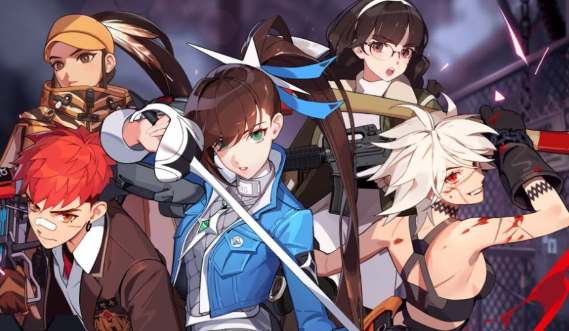
I. Overview of Black Survival Characters
A. Black Survival vs Eternal Return (and why people mix them up)
When players say “Black Survival characters,” they’re often talking about the same cast concept across two related experiences:
Immortal Soul: Black Survival (the earlier, more classic “survive among 10 players on an island” style game)
Eternal Return (the modern, more action-forward, crafting + combat survival arena that most players are on today)
They share the DNA: a roster of named test subjects, each with their own kit, strengths, and ideal build paths. In Immortal Soul, you’re constantly making snap decisions—search, craft, fight, run—because the pace is brutal.
In Eternal Return, the same survival pressure exists, but it’s more “MOBA-ish” in how fights play out—more spacing, cooldown tracking, and team coordination.
B. How characters define your playstyle (more than your “skill” does)
In a lot of competitive games, skill comes first and character choice comes second. Black Survival-style games flip that. Here, your character determines:
How fast you spike (early bully vs late scaler)
How clean your route needs to be (forgiving farmer vs “miss one component = you die”)
What kind of fights you want (burst ambush, extended brawl, poke, peel, reset)
How much you rely on macro (zone timing, wildlife control, item economy) vs pure mechanics
So when someone asks “Who’s the best character?” the real answer is usually:
“Best for what—solo queue climbing, coordinated squads, learning fundamentals, or farming LP safely?”
C. What this guide is trying to do
This is not a “copy a tier list and pray” article.
This is:
A character understanding guide
A weapon + role + learning curve map
A way to pick mains that won’t make you hate the game before you get good
II. Character System and Test Subjects
A. What test subjects are (in player terms)
In Eternal Return, test subjects are the playable characters—each one has:
A distinct skill kit (usually including mobility, damage pattern, and utility)
Preferred weapon options (some are flexible, some are “married” to one weapon)
A growth curve (early/late)
A comfort ceiling (how hard they are to pilot under pressure)
The official wiki describes them as playable units with unique strengths and weaknesses, with role archetypes like tank, fighter, assassin, mage, ranged DPS, and support.
B. How you unlock characters (and why you shouldn’t impulse-buy)
Eternal Return rotates free characters weekly and lets you permanently unlock them with in-game currency (A-Coins) or premium currency, and the newest character costs more at first.
As a player, here’s the smart move:
Don’t buy “hard characters” first just because they look cool.
Buy a learning main, then a backup main in a different archetype.
Only then start buying “tech picks” and niche counters.
C. Character stats and growth: what actually matters in matches
Every character has a stat identity, but in practice your performance comes from:
Route speed (how fast you assemble a functional build)
Fight shape (do you win short trades, long fights, or only with perfect engage?)
Reset options (escape, heal, stealth, shields, CC)
Consistency (how often you can execute your plan under chaos)
If a character is “strong” but inconsistent, they’re basically a highlight-reel trap for new players.
III. Character Roles, Weapons, and Playstyles
A. Weapon types (the real way players categorize the roster)
Instead of memorizing 85+ names, you’ll learn faster by choosing a weapon family first. Eternal Return characters tend to center around weapon archetypes like:
Melee (in-your-face): Dagger, Dual Swords, Two-Hand Sword, Axe, Tonfa
Skill-based melee: Spear, Rapier
Ranged aim / poke: Pistol, Assault Rifle, Sniper
Hybrid / zoning: Throw, Shuriken
Specialist: Guitar, Bat, Hammer (varies by game updates and balance)
(Exact weapon availability shifts by character, but the “feel” stays consistent.)
B. Common roles (and what they actually do)
Here’s the no-BS role translation:
Assassin: wins by picking the right moment; hates messy fights
Bruiser/Fighter: wants repeated trades; builds sustain and durability
Tank/Frontline: starts fights or absorbs pressure so teammates can work
Ranged DPS: controls space; punishes approaches; dies if collapsed on
Support/Utility: makes teammates better; wins fights by enabling or denying
And yes, a bunch of characters are hybrids, which is why team comps can feel so weirdly flexible.
C. Matching characters to your preferred playstyle
If you don’t know what to pick, ask yourself:
Do I like outplaying (mobility + burst)? → assassins, daggers, rapiers
Do I like bullying (tankier trades)? → bruisers, axes, two-hand swords
Do I like aiming and spacing? → snipers, AR, pistols
Do I like being useful even when behind? → supports, CC-heavy kits
Pick the playstyle first. The roster comes second.
IV. Full Character Roster and Categories
A. How big is the roster right now?
The Eternal Return wiki notes there are currently 85 characters in the game.
That number will keep changing as new test subjects drop.
B. Roster grouping by main weapon “vibe”
Because listing 85 names in a giant wall is basically useless, here’s the roster conceptually grouped the way players think about matchups.
1) Dagger / Assassin-style characters (burst + resets)
These characters tend to win by:
Finding isolated targets
Taking short fights
Escaping before the counter-punch
They reward map awareness and timing, but punish sloppy engages. If you like feeling “in control,” this category is addictive. If you tilt easily, it’s pain.
Beginner warning: assassins often feel great when you’re ahead and horrible when you’re behind—so they can mess with your learning.
2) Bruiser melee (extended fights, stat-check energy)
These characters thrive when:
They can keep you in their range
They can trade repeatedly without dying
They hit their build spike and start forcing fights
They’re generally better for learning because you get more “time alive” per mistake.
3) Rapier / Spear (precision melee)
These are the “I want mechanics to matter” picks:
Good spacing
Clean combo timing
Punish windows
They can be insane, but you’ll feel every misplay.
4) Ranged weapon mains (space control + punish)
Ranged characters are about:
Denying approaches
Farming safely
Winning fights before enemies ever touch you
But if someone collapses on you and you don’t have an exit plan, you pop.
5) Throw / Shuriken / zoning specialists
These are often the “annoying” characters:
They chip you down
Control wildlife fights
Deny choke points
Force you to engage on their terms
If you like strategic harassment, this is your playground.
6) Supports and team enablers
Support characters can look weak in 1v1 clips but feel disgusting in real team fights because:
They create guaranteed engages
Turn fights into unwinnable slogs for enemies
Make your DPS feel like a superhero
If you want consistent impact with less mechanical stress, this category is underrated.
C. Grouping by difficulty (the “don’t hate your life” list)
Let’s be real: difficulty matters.
Low difficulty: forgiving routes, simple fight plan, reliable escape or sustain
Medium: needs matchup knowledge, but still stable
High: requires clean mechanics, tight routing, and fight discipline
“Evil”: works only if you’re already good and like suffering
If you’re new, your goal is to pick a character that lets you learn the game—not a character that requires you to already know the game.
V. Tier List and Current Meta (How to Use It Without Getting Tricked)
A. Tier explanations (what they should mean)
A sensible tier list is basically:
S Tier: strong across many lobbies, flexible builds, consistent win conditions
A Tier: strong but needs the right conditions (maps, comps, or items)
B Tier: viable but usually outclassed, or needs higher skill to match results
C and below: niche, outdated, or too inconsistent
B. Criteria that actually matter in Black Survival-style games
Tier lists that only look at “damage” are junk. The best characters in real matches often have:
Fast first spike (so they aren’t helpless early)
Safety tools (mobility, shields, CC, stealth, sustain)
Wildlife/objective control
Teamfight value (even if their 1v1 isn’t perfect)
Low dependency on perfect item RNG
C. Patch changes are why your “main” suddenly feels terrible
Eternal Return updates regularly, and patch notes can change:
skill ratios
cooldowns
item stats
wildlife dynamics
zone pacing
For example, the official patch notes (Jan 8, 2026) show ongoing balance adjustments and tuning, which is exactly why meta picks rotate.
So if you feel like your character got “secretly nerfed,” you’re probably not imagining it. This game actually changes.
VI. Best Characters for Beginners (How to Learn Without Getting Farmed)
A. What makes a character beginner-friendly?
Beginner-friendly does not mean “low damage.” It means:
Simple win condition: “build this, fight like that”
Forgiving mistakes: escape, sustain, or tankiness
Clean farming: doesn’t require perfect route memorization
Useful even behind: CC, utility, or team value
B. Beginner mains by role archetype
1) Beginner bruisers (recommended first mains)
Pick one bruiser-style character and commit for 30–50 games. Your goal is to learn:
routing fundamentals
timing zones
how to take fights without panic
Bruisers let you “stay in the fight” long enough to understand why you lost.
2) Beginner ranged (recommended second mains)
Ranged teaches:
spacing
vision discipline
kiting and poke control
not face-checking like a maniac
But it also forces you to learn “when to leave,” which is huge.
3) Beginner supports (best for squad learners)
If you play duos/squads:
support characters teach teamwork, peel, and fight shaping
you can have impact even if your mechanics are still developing
C. Common beginner mistake: picking a highlight character too early
If your first main is:
a high-mobility assassin
a super technical combo character
a “win early or die” snowball pick
…you might improve slower, because you’ll spend too many games dead with no idea what happened.
VII. High-Skill and Advanced Characters (When to Switch)
A. Who counts as “advanced” in practice?
Advanced characters tend to require one (or more) of these:
very strict route timing
animation-cancel or combo discipline
matchup knowledge (who you can fight and when)
clean objective control
B. High reward mains (why people one-trick them)
Players one-trick advanced characters because:
they can outplay stronger builds
win fights through mechanics
steal objectives and reset tempo
But the learning curve is steep. If you’re still learning crafting and routing, don’t start here.
C. When it’s worth switching to advanced characters
Switch when:
you consistently reach midgame with a decent build
you understand zone pacing
you can explain why you died (not just “I got jumped”)
That’s your green light.
VIII. Top Meta Picks and S-Tier “Feeling” Characters (Without Overpromising)
A. What “meta” looks like in Eternal Return
Meta usually trends toward characters that can:
contest wildlife safely
fight early without needing perfect items
provide teamfight CC or burst
scale into late zones without becoming irrelevant
B. Strong solo queue climbers
Solo queue rewards:
self-sufficiency
reliable escapes
strong dueling windows
ability to disengage from bad fights
So characters that feel “unfair” in solo are often those with both damage and a reset button.
C. Overpowered vs frequently banned (the lobby reality)
If you see certain characters constantly:
it’s usually because they’re easy to execute
they’re consistent across zones
their kit punishes chaos (and solo queue is pure chaos)
IX. Weapon Route and Build Planning (The Part That Makes Characters “Good”)
A. The truth: your route is half your character strength
Two players can pick the same character:
one hits their build and becomes a menace
the other is still searching for a component and dies instantly
Route speed = power.
B. Basic routing rules that work for almost every character
Build toward a functional midgame, not a perfect endgame dream
If you’re behind, stop chasing “best-in-slot” and craft something usable
Don’t fight fair fights early; fight only if you have the advantage
Wildlife is your economy—learn to contest it safely
C. Optimizing routes based on character identity
Burst assassins want early components that enable pick potential
Bruisers want early sustain or durability so they can force trades
Ranged wants safe power spikes and mobility/escape options
X. Character Stats, Scaling, and Matchups
A. Key stats that define matchups
Matchups often come down to:
who hits first spike sooner
who controls space (range, zoning, CC)
who has sustain (healing/shields)
who can disengage
B. Early / mid / late scaling
Think of characters as:
Early scalers: bully before others finish builds
Mid scalers: strongest once core kit + items come online
Late scalers: terrifying in final zones if they survive long enough
If you main a late scaler, you must learn “how to not die early.” That’s literally your job.
C. Learning matchups the easy way
Don’t try to memorize 85 characters. Do this instead:
Learn who beats you in early trades
Learn who you beat if you land your combo
Learn which characters you should never chase into fog
That’s 80% of matchup knowledge.
XI. Mode-Specific Recommendations (Solo, Duo, Squad)
A. Ranked vs casual
Ranked punishes mistakes harder, so you want:
consistent routes
reliable escapes
stable damage pattern
Casual is where you experiment with weird stuff.
B. Duo/Squad dynamics change character value
Some characters are “mid” solo but disgusting in squads because:
their CC becomes guaranteed with teammate follow-up
their peel enables hyper-carries
their zoning wins objective fights
If you mostly play squads, prioritize utility and teamfight shaping over flashy 1v1 kits.
C. Adapting to lobby strength
In sweaty lobbies:
greedy routes get punished
late scalers get hunted
objective control becomes everything
In casual lobbies:
anything works if your mechanics are clean
XII. Eternal Return–Specific Character Insights
A. Differences from classic Black Survival
Eternal Return’s feel is defined by:
more active combat
more spacing and ability timing
more teamfight focus
more “MOBA-like” outplays
It’s why characters with mobility/CC often feel better than pure stat sticks.
B. Meta shifts happen fast
Because Eternal Return is actively patched, balance shifts show up regularly.
So your long-term plan should be:
learn fundamentals on a stable character
keep a small pool (2–4 mains)
flex when your main gets hit by a patch
C. Team synergy matters more than “best character”
A “B-tier” character that fits your comp is often better than an “S-tier” character that doesn’t.
XIII. Character Guides and Learning Resources (Where Players Actually Learn)
A. Where to find in-depth character info
If you want clean reference:
The Eternal Return wiki is solid for system basics and character overview.
Official updates and balance direction live in patch notes.
B. How to use community resources without wasting time
Don’t watch “INSANE 1V3 MONTAGE” videos to learn a character.
Watch:
routing demonstrations
early fight decision breakdowns
objective control guides
C. Practice smart (and you’ll improve way faster)
Best practice loop:
Run your route in a low-stress lobby
Force 1–2 fights on purpose
Review what killed you (item gap? cooldown? positioning?)
Adjust one thing next game
That’s it. That’s the whole improvement engine.
XIV. Buying, Unlocking, and Progression Strategy
A. Which characters to unlock first (the smart order)
One stable bruiser/fighter (learn routing + survival)
One ranged spacing character (learn distance + vision)
One team utility character (learn squad fights)
Only then: assassins and advanced picks
B. Avoiding regret purchases
If a character requires:
strict routing
heavy combo knowledge
matchup mastery
…and you’re new, delay that purchase. You’ll enjoy it way more later.
C. Currency management mindset
Buying a bunch of characters early feels fun, but it slows learning because you keep switching before mastery forms.
Commit to a small pool.
XV. Common FAQs About Black Survival Characters
A. Who is the best character for new players?
The best beginner character is usually:
durable enough to survive mistakes
simple enough to execute under pressure
strong enough to fight for objectives
Pick “forgiving and consistent” over “flashy.”
B. Which characters are strongest in the current meta?
Meta changes with patches, item tuning, and zone pacing. Your best bet is to track official patch notes and community consensus, because balance adjustments can shift who dominates.
C. How many characters should you focus on mastering?
If you want fast improvement:
2 mains (different archetypes)
1 pocket pick (utility or counter)
That’s plenty.
XVI. Future Updates and Long-Term Meta
A. How balance patches shift character rankings
Patches change more than damage numbers. They can alter:
early routing viability
objective control
survivability windows
teamfight pacing
That’s why tier lists never stay stable for long.
B. Preparing for new releases and reworks
When a new character drops, they often launch:
overtuned (common in live-service games)
or with a niche identity that becomes strong after players learn them
Either way, you don’t need to chase every release. If your fundamentals are good, you’ll outperform “meta tourists.”
C. Staying updated without getting overwhelmed
My low-effort player routine:
read patch notes headlines
check what items or mechanics changed
watch one routing video for your main if their build got altered
play 5 games and adapt
Simple beats obsessive.
“Black survival characters” aren’t just a roster—they’re your entire relationship with the game. Your character decides how you learn routing, how you take fights, how you survive chaos, and whether the game feels like a fun strategy brawl or a confusing two-minute death simulator.
Here are the practical takeaways I’d actually tell a friend:
Start with a forgiving character so you can learn the survival fundamentals.
Treat tier lists like weather forecasts: helpful, but not a religion.
Build a small pool (2–4 characters) and get scary on them before you expand.
Choose weapon archetypes that match your personality—because you’re going to play a lot of matches, and vibes matter.
Keep one eye on official patch notes, because balance changes are real and frequent.
If you want, tell me whether you mainly play solo, duo, or squad, and what kind of combat you enjoy (burst, bruiser, ranged poke, or support). I can recommend a tight “starter pool” of mains in the exact style you like—without throwing you into the deep end.